ABB Invests ~$75 Million to Scale Manufacturing and R&D in India
ABB invests $75 million in India to expand manufacturing and R&D, strengthening electrification, automation, and energy infrastructure.
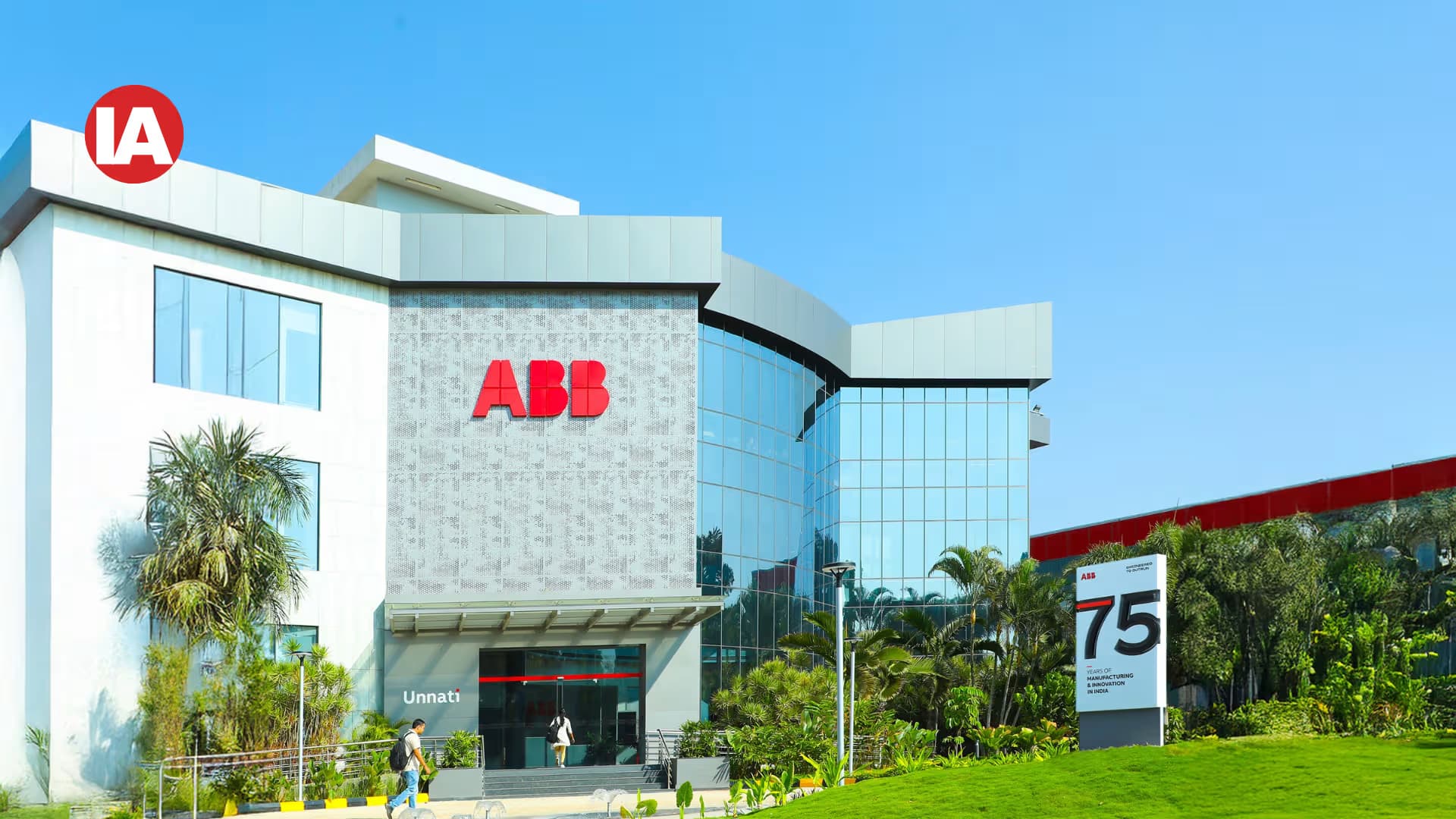
Strengthening Electrification and Automation Infrastructure for Global Growth
BENGALURU, March 09, 2026 — Engineering giant ABB has announced a significant $75 million investment in India for 2026, aimed at drastically expanding its manufacturing footprint and research and development (R&D) capabilities. This follows a $35 million spend in 2025, underscoring the company’s "local-for-local" strategy—where approximately 85% of its products sold in India are now manufactured domestically.
With India’s economy rapidly modernizing, ABB is positioning itself to meet soaring demand in energy transition, grid modernization, data centers, and high-speed rail. The expansion is expected to create 300 new skilled jobs across engineering and research sectors.
Multi-City Expansion: A Strategic Breakdown
ABB is distributing this capital across its primary hubs in India to bolster specific business areas: Electrification, Motion, and Automation.
Bengaluru: The Innovation Hub
Nelamangala ($14M): Focuses on sustainable mobility and power protection. The investment scales converter manufacturing for high-speed rail and metro projects and expands UPS (Uninterruptible Power Supply) production tenfold.
Peenya ($21M): Aimed at increasing capacity for low-voltage drives and specialized motors (flameproof and smoke-venting). A new innovation lab and a modernized electromagnetic flowmeter calibration rig are also part of the upgrade.
Nashik: The Switchgear Powerhouse ($22M)
The Nashik facility expansion focuses on the production of indoor and outdoor circuit breakers. By 2028, this site will lead the localization of SF6-free technologies, supporting more environmentally friendly electrical grids.
Hyderabad & Vadodara: R&D and Heavy Industry
Hyderabad ($12M): Phase one involves a new 12,400+ sqm R&D hub, followed by a state-of-the-art High Power lab to be built on company-owned land.
Vadodara ($6M): Focuses on scaling up slow-speed synchronous generators and induction motors to serve the metals, cement, and oil & gas industries.
"We are seeing strong demand driven by the country's energy transition, grid modernization, data center development, and the rapid expansion of the metro and high-speed rail segments." — Morten Wierod, CEO, ABB.
FAQ.
H3: What is ABB’s "local-for-local" strategy?
This strategy focuses on manufacturing products in the same market where they are sold. For ABB India, this means 85% of their offerings are made locally, which reduces supply chain lead times, lowers logistics costs, and allows for products to be tailored specifically to Indian industrial standards.
Why is the expansion of "SF6-free" technology important?
Sulfur hexafluoride (SF6) is a potent greenhouse gas commonly used in electrical switchgear. By investing in SF6-free technologies in Nashik, ABB is helping Indian utilities modernize their grids while significantly reducing their carbon footprint, aligning with global sustainability goals.
How does this investment impact India’s transport sector?
A major portion of the Nelamangala investment is dedicated to propulsion systems, converters, and traction motors. These are the "engines" behind modern metros and high-speed trains. As India expands its rail network, ABB will be the primary local supplier for these critical components.