Automation Drives India's New Energy Frontier: Assam Strikes Oil
Assam has made history as the first Indian state to independently commence direct crude oil production. But beyond the oil lies a deeper transformation—automation is redefining every step of exploration, extraction, and refining. From AI-driven leak detection to IIoT-enabled operations centers, this marks a new chapter for India’s energy and automation sectors alike.
Beneath the Surface: How Automation Is Powering Assam’s Leap into India’s Energy Independence
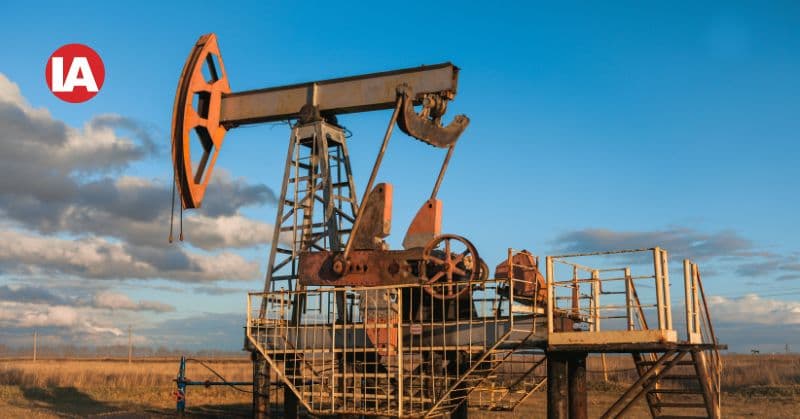
Assam has formally started direct crude oil production, becoming the first state to independently enter upstream operations in a moment that might completely change India's energy story. The larger story for India's industrial ecosystem is that automation is now at the center of the country's newest energy frontier, despite headlines that emphasize barrels and market effect. The days of oil rigs relying only on human attention and manual gauges are long gone. Almost every stage of exploration, extraction, and logistics is now controlled by automation systems. Real-time sensor arrays track reservoir conditions, flow rates, and the quality of drilling equipment at Assam's new oilfields. This data is instantaneously processed by intelligent automation solutions, which notify operators of irregularities and guarantee that hazards are kept to a minimum while productivity is increased.
However, the story of automation does not stop at the wellhead. Safety and environmental compliance are guaranteed by downstream smart pipeline monitoring systems that are outfitted with AI-driven leak detection algorithms. Thanks to IIoT dashboards, robotic inspection drones, and predictive maintenance algorithms, remote operations centers in Guwahati can now monitor entire oilfield clusters from a distance of kilometers. The crude discovery from Assam represents a significant opportunity for India's industrial automation sector. Scaling up SCADA platforms, automated material handling, and advanced process control systems in refinery and logistics operations today need local OEMs and system integrators. Automation, from intelligent chemical injection systems to robotic valve actuators, will be essential to converting Assam's petroleum into profitable ventures. Additionally, this progress is closely related to India's larger ambition to become energy independent. India secures its energy future and solidifies its place in the global automation economy by integrating smart technologies into its domestic oil production.
The message is clear: Assam's oil story is about more than just hydrocarbons; it is about sophisticated systems, data streams, and control loops that are all perfectly synchronized below the surface.
One question emerges as India moves closer to energy independence: As a new industrial era unfolds, will your automation systems drive the pumps or stand by and observe?