Beyond Cobots: How 'Composable Automation' is Reshaping the Supply Chain
The era of rigid, one-size-fits-all automation is being replaced by "Composable Automation," a new strategy reshaping the supply chain. This approach moves beyond simple plug-and-produce robots to a dynamic system where software and hardware components, including cobots and Autonomous Mobile Robots (AMRs), are flexibly combined. Industry leaders like FANUC, KUKA, and Locus Robotics are pioneering these agile platforms to create bespoke, resilient solutions that adapt to market volatility.
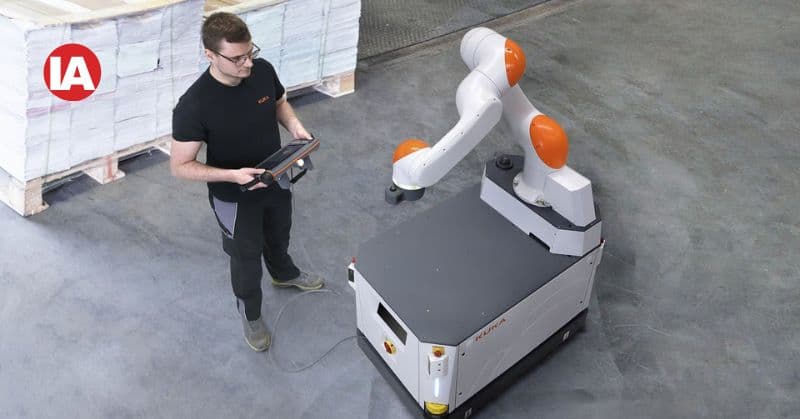
Composable Automation Redefines Agility, Enabling Supply Chains to Rapidly Adapt to Shifting Demands and Market Uncertainty
The era of "one-size-fits-all" automation is over. As industry leaders, we're tracking a new, more sophisticated trend: Composable Automation. This is the next evolution of "plug-and-produce," moving beyond simple, modular hardware to a system-wide strategy where software and hardware components are dynamically combined to create bespoke solutions. This is particularly transformative for the logistics and supply chain sector. Companies like FANUC and KUKA are no longer just selling robots; they are building flexible, software-driven platforms that allow manufacturers to rapidly reconfigure production lines to meet fluctuating demand.
The key players are leveraging a new synergy between collaborative robots (cobots) and Autonomous Mobile Robots (AMRs). Leaders like Locus Robotics are showing how AMRs, once a niche technology, are now integral to an intelligent logistics network. We project that by late 2026, the global market for these "composable" systems will see a 40% growth in adoption, as firms move from rigid automation to agile, responsive systems that can adapt to supply chain shocks and consumer-driven shifts.
Voice of IA: "The true leaders in automation are no longer just selling a machine; they are selling agility. Composable Automation is the strategic answer to today's volatile market. It's about designing systems with foresight, not just for a specific task, but for an unknown future. This is the difference between a productive factory and a resilient, competitive enterprise."