E-Waste Wars: The Legal Battle of Carriers Highlights Automation's Contribution to India's Greening Future
As India tightens its e-waste rules, global giants like Carrier, Samsung, LG, and Daikin are pushing back against rising compliance costs. But beyond the legal clash lies a bigger question: Can automation be the catalyst that transforms India’s recycling landscape into a smarter, safer, and more sustainable engine for the circular economy?

As Legal Challenges Mount, Automation Emerges as the Missing Link in Scaling India’s E-Waste Compliance and Circular Economy Goals
In a major change to the nation's increasingly strict electronic waste management environment, multinational HVAC giant Carrier has joined Samsung, LG, and Daikin in challenging India's new e-waste recycling standards. The crux of the conflict? tougher reporting requirements and higher compliance expenses as a result of the Extended Producer Responsibility (EPR) framework's redesign. Beneath the courtroom headlines, however, is a more profound reality: India's e-waste dilemma is a stark cry for automation rather than merely legislation. With over 1.6 million tonnes of e-waste produced in India each year, the traditional recycling ecosystem—which is beset by inefficiencies, health risks, and physical labor—just cannot keep up. Automation must now take center stage as a transformational engine for circular economy models, not only as a tool for compliance.
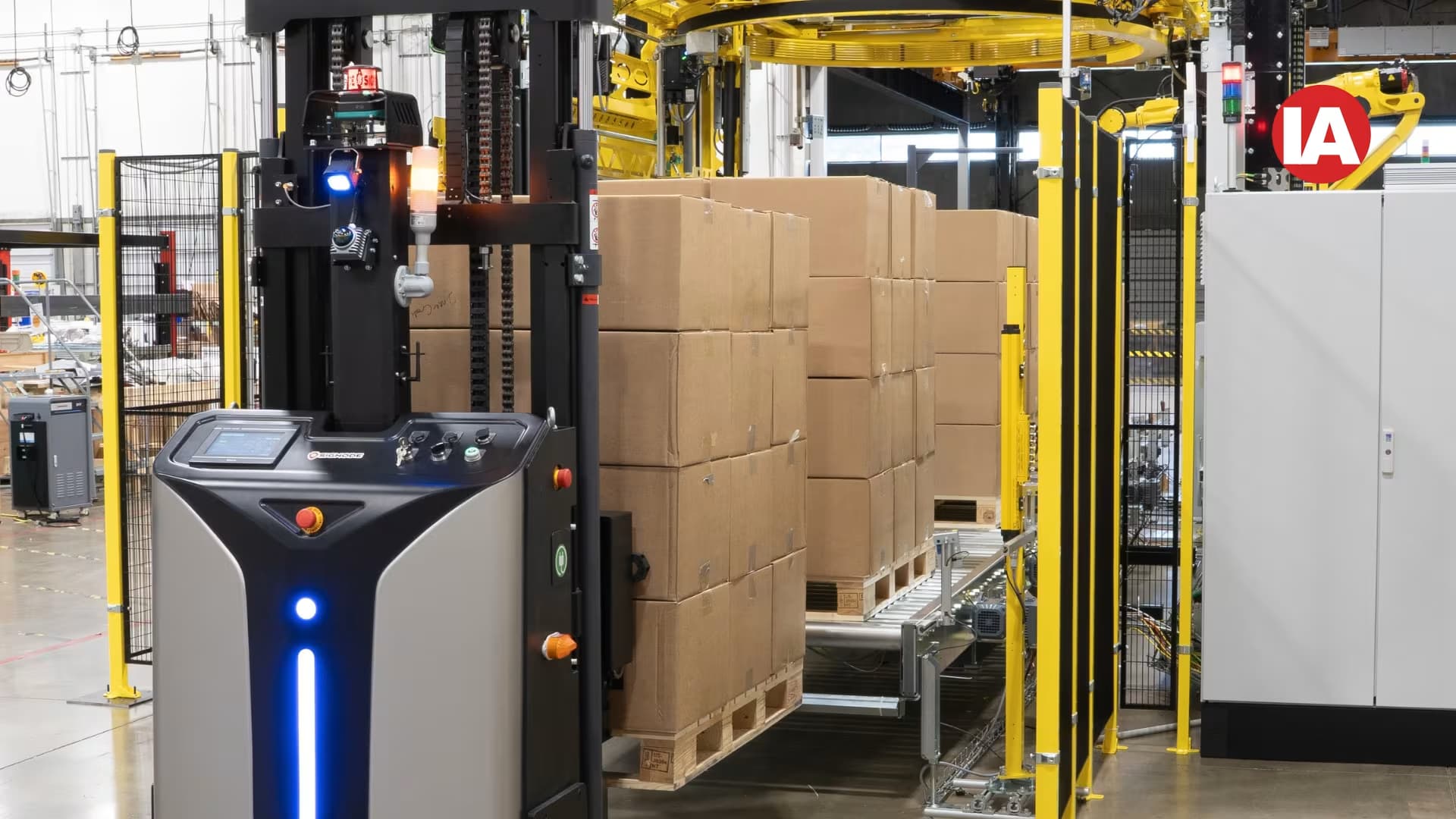
Imagine this: Circuit boards are sorted by material value in milliseconds by AI-powered vision systems. Disassembled electronics are surgically disassembled by robotic arms. Centralized recycling networks receive material footprint reports from IoT-tagged appliances. Real-time analysis, classification, and direction of e-waste flows by smart conveyor lines based on brand, hazardous component, or metal content.
These are not sci-fi dreams; nations spearheading the circular revolution are actually implementing them. Automation entrepreneurs have a fantastic chance to disrupt, digitize, and decentralize the waste industry in India due to its logistical and legal obstacles. With minimal human error, maximum recovery rates, and complete regulatory traceability, Advanced Material Recovery Facilities (MRFs) based on intelligent automation designs might process tens of thousands of tonnes a year.
The future of sustainable manufacturing is at stake in this legal dispute, which may seem to be about policy.
Will automation propel India's recycling revolution forward or will it be put on hold?