Green Automation Gains Traction: How Smart Factories Are Paving the Way for Sustainable Indian Manufacturing
"Green automation" is revolutionizing Indian manufacturing, with smart factories integrating AI-powered energy management systems, energy-efficient robotics, and IoT to significantly reduce their environmental footprint. Led by companies like Honeywell India and Schneider Electric India, this sustainable shift aims to cut industrial energy consumption by 20% by 2030, aligning economic growth with environmental responsibility.

Smart Factories Blend Automation with Sustainability, Driving India Toward a Greener and More Efficient Manufacturing Future
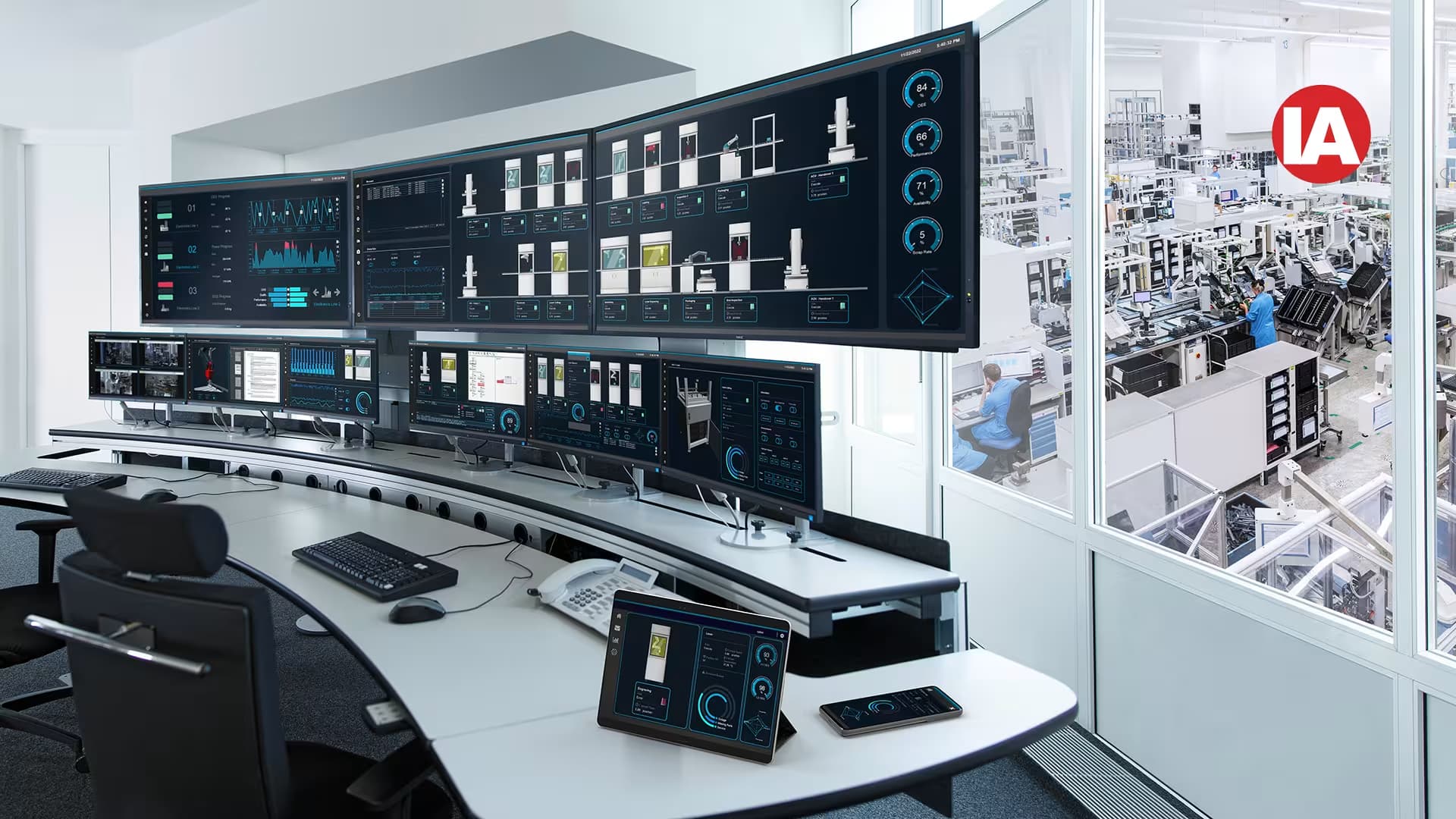
PUNE – As India strives for industrial growth, the imperative for sustainability has never been stronger. The latest trend in industrial automation isn't just about efficiency; it's about "green automation," where smart factories are significantly reducing their environmental footprint. This emerging focus is set to make India a leader in sustainable manufacturing, with projections indicating a 20% reduction in industrial energy consumption by 2030 through these initiatives.
Leading the charge are companies like Honeywell India and Schneider Electric India, which are implementing comprehensive energy management systems powered by AI. Ms. Rina Chopra, Head of Sustainability at a major textile manufacturer in Pune, explains, "Our smart factory deployment, using Schneider Electric's EcoStruxure platform, has reduced our energy waste by 15% in just one year. Automation now means less consumption, not just more production."
Key technologies driving this green revolution include:
Energy-Efficient Robotics: Next-generation robots are designed to consume less power, with sophisticated algorithms optimizing their movements for minimal energy expenditure.
IoT-Enabled Resource Management: Sensors and IoT devices monitor real-time consumption of electricity, water, and raw materials, providing data that AI systems use to identify and eliminate waste.
Predictive Maintenance: By preventing equipment failures, predictive maintenance (often using digital twins) extends machine lifespans and reduces the need for costly, resource-intensive replacements.
Renewable Energy Integration: Automation systems are being designed to seamlessly integrate with solar and wind power, optimizing energy storage and consumption patterns.
This shift towards green automation is attracting significant investment, with a recent report by the Indian Green Building Council (IGBC) highlighting a growing demand for certified green factories. The collaboration between technology providers and manufacturers is fostering an ecosystem where economic growth and environmental responsibility go hand-in-hand. The voice of Industrial Automation: "Efficiency, meet responsibility. The future of manufacturing is green and smart."