A Stronger Core Is Necessary for India's Automation Future—ICEA Places Industrial Electronics in a Strategic Light
The India Cellular and Electronics Association (ICEA) is urging the government to recognize industrial electronics as a national strategic priority to strengthen India’s automation future. With an ambitious vision of $500 billion in electronics manufacturing by 2031, ICEA highlights the critical need for domestic production of core automation hardware—such as embedded systems, AI-driven control units, PLCs
ICEA Calls for Industrial Electronics to Become India’s Strategic Pillar in the Automation Revolution
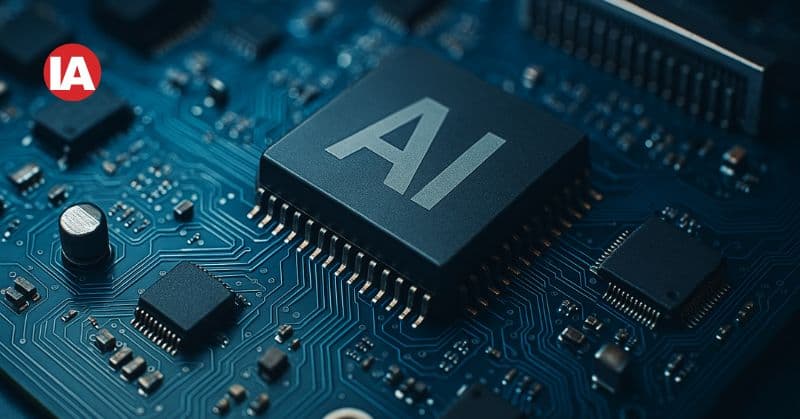
The India Cellular and Electronics Association (ICEA) has encouraged the government to designate industrial electronics as a national strategic priority, a move that might reshape the basis of India's automation revolution. The core of India's goal to become a leader in embedded systems, autonomous industrial technologies, and smart manufacturing is at risk, not just a policy update. ICEA's ambitious goal of $500 billion in electronics manufacturing by 2031 makes it appealing not just for market expansion but also for sovereign control over the automation industry's digital nervous system. In addition to software, modern automation is fueled by bespoke boards, AI-driven control units, PLCs, smart sensors, and industrial-grade microcontrollers—all of which India still imports in huge quantities.
The result? India develops automation systems that are dependent on other countries and have a weak supply chain. By putting industrial electronics at the center of national manufacturing policy and budgetary allocations, ICEA's demand seeks to rewire this dynamic. The timing of this change could not be more crucial. Demand for locally produced, high-performance electronics is soaring as factories move from reactive to autonomous and from programmable to predictive. Hardware is the foundation of automation, from robotics and CNC machines to SCADA terminals and IoT edge nodes.
By making industrial electronics a strategic industry, India would become a global center for not only implementing automation but also creating its own DNA. This would open the door for R&D incentives, manufacturing subsidies, startup finance, and talent pipelines. This is essentially an appeal for hardware sovereignty—a time when the circuits that run India's factories are created in India, for India, and beyond. Automation needs a strong foundation as it expands throughout industries. ICEA recently requested that the nation construct that backbone domestically. Will India take action before the next supply chain crisis occurs?
Hardware-defined strategy is necessary in the era of software-defined factories.