India Develops Indigenous Manufacturing Execution System for Semiconductor Fab Automation
India’s SCL introduces DMIS, an indigenous MES designed to strengthen automation and shop-floor control in semiconductor fabs.
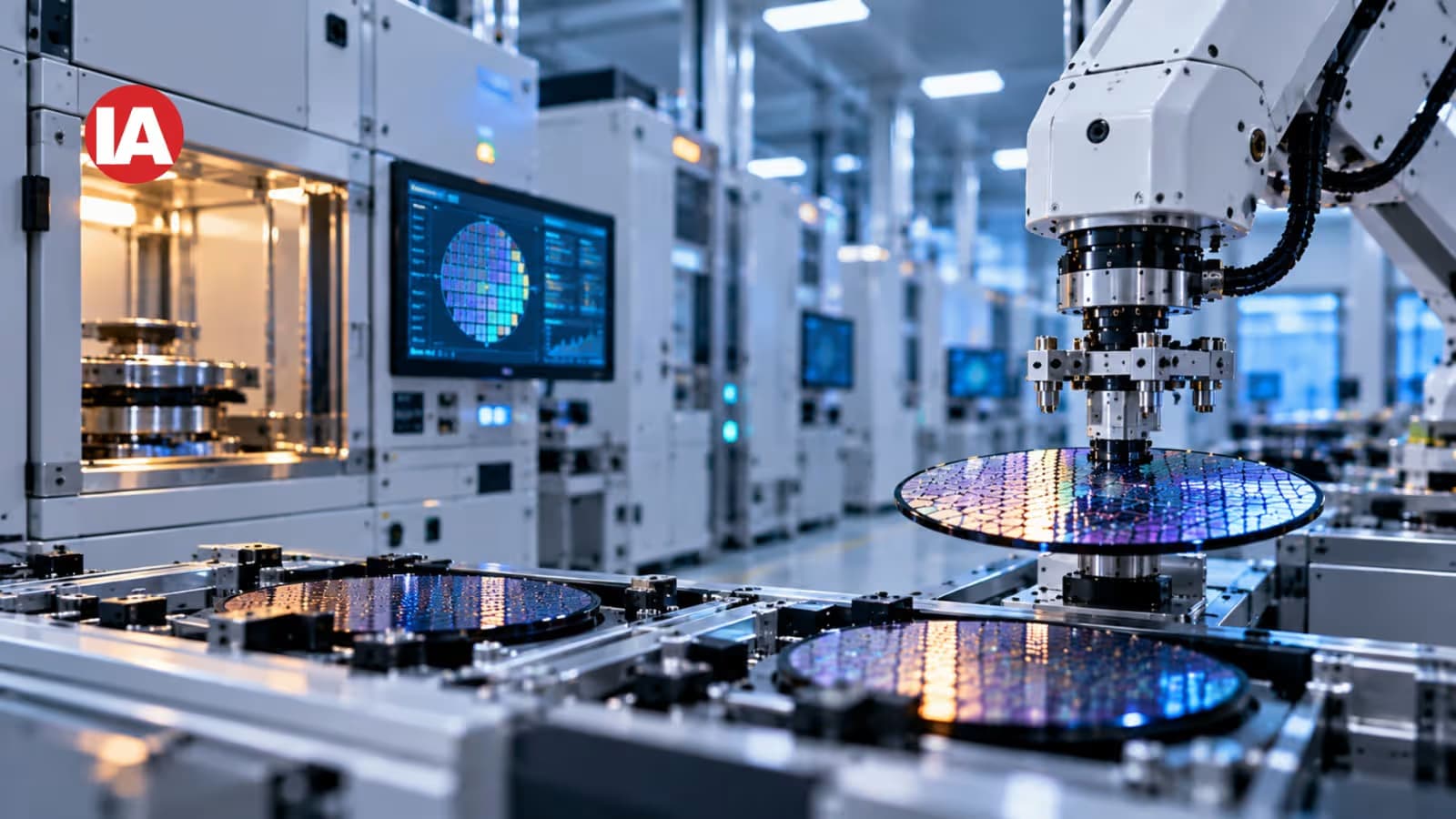
New system is designed to strengthen shop-floor control and production management across semiconductor wafer-fabrication operations.
New Delhi, September 19, 2026: India has introduced an indigenous Device Manufacturing Integrated System (DMIS) for semiconductor manufacturing, strengthening the country's focus on automation and digital control systems for wafer-fabrication operations.
The system was launched by the Semi-Conductor Laboratory (SCL), Mohali, during the concluding session of SEMICON India 2026. The event brought together developments spanning semiconductor manufacturing, AI, fab automation, indigenous computing, research and workforce development.
DMIS has been developed as a manufacturing execution system (MES) for semiconductor fabrication. According to the Ministry of Electronics and Information Technology, its modular, plug-and-play architecture supports activities ranging from order booking and wafer fabrication through to final packaging, with the objective of strengthening shop-floor control and manufacturing efficiency.
For the industrial automation sector, the development is significant because semiconductor fabs require tightly controlled production environments where equipment, processes, production data and manufacturing workflows need to operate as an integrated system.
An MES forms an important layer between enterprise-level planning and the factory floor. In a semiconductor facility, such systems can help coordinate production information, track manufacturing activities and provide greater visibility into the movement of material and work-in-progress through different fabrication stages.
The launch of DMIS also points to a broader development in India's semiconductor ecosystem. The country's focus is expanding beyond chip design and fabrication capacity toward the automation, software and digital infrastructure required to operate advanced manufacturing facilities.
SEMICON India 2026 concluded with 15 announcements and collaborations covering areas including fab automation, RISC-V innovation, AI, quantum platforms, startups and workforce development. The wider event attracted more than 600 exhibitors and representatives from 52 countries.
As semiconductor manufacturing capacity develops in India, technologies including MES, equipment integration, automated material handling, machine monitoring, process control and factory data systems are expected to become increasingly important to the country's industrial automation landscape.
Source: Press Information Bureau, Government of India