Maharashtra Floods See Drones in Charge: Automation Transforms Disaster into Clarity
Maharashtra’s devastating floods have unveiled a new frontline hero—drones. Moving beyond manual surveys, these automated aerial systems are providing real-time insights, transparency, and faster relief, transforming disaster response into a story of clarity and trust.
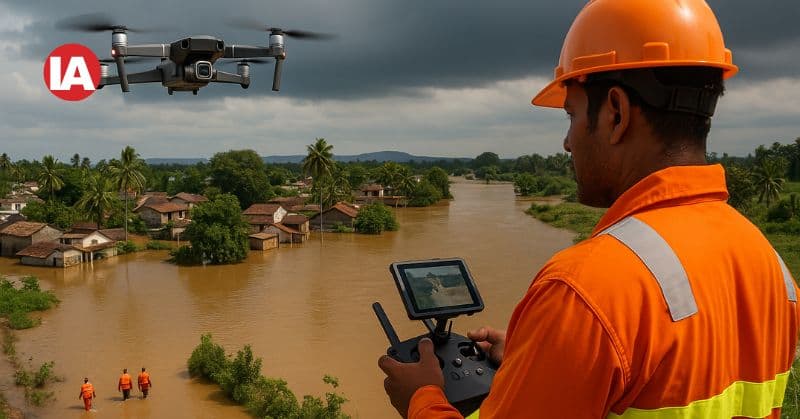
Drones Redefine Disaster Response in Maharashtra, Delivering Real-Time Relief, Transparency, and Hope Through Automation
Maharashtra is reeling once more from the force of the monsoon, with families uprooted, villages swamped, and harvests devastated. However, in the midst of the carnage, something amazing is happening. Tired authorities are no longer the only ones with clipboards in hand, wading through waist-deep waters in order to provide relief. The method of evaluating and handling disasters is being rewritten by drones, which are automation's silent soldiers.
In a move from paper-bound manual surveys to real-time, aerial intelligence, the state is using drone-based panchnamas for the first time. These UAVs are automated data engines that capture high-definition, geo-tagged evidence of devastation to farms, roads, and houses; they are not merely flying cameras. In a flood, when time is the most precious commodity, automation turns hours of speculation into minutes of accuracy.
Picture this: a drone flying above a flooded rice field, relaying live images to command centers, where AI-supported analysis cross-validates the amount of crop damage. In fact, villagers may submit mobile images, which are subsequently verified by drones, combining grassroots participation with automated truth. As a consequence, there is quicker compensation, less bureaucracy, and immediate relief for those who need it most.
Relief checks are not the only thing that matters. In times when trust is most difficult to maintain, drone panchnamas are establishing a new standard for governance, where automation guarantees transparency, accountability, and trust. In addition to shielding field personnel from hazardous areas, they aid engineers in developing flood-resistant infrastructure by establishing a digital database for future planning.
This is a turning point for India's automation narrative—literally. The formerly derided notion of the future is now a frontline reality. In the event of a climate catastrophe, drones, artificial intelligence, and automation are now the front line responders, protecting people's dignity and lives. During Maharashtra's time of need, automation has done more than quantify losses; it has also given the state cause for optimism. The message is clear: technology that saves lives will win out in the conflict between chaos and order.