NOCIL Dahej Expansion – Tyre Automation Impact
NOCIL commissions ₹250 Cr Pilnox TDQ/TMQ facility at Dahej PCPIR, boosting India's rubber chemicals self-reliance. Tyre automation gains consistent supply for PLC batching, cutting 15% scrap rates.
India's tyre plants lose ₹6,500 Cr yearly to inconsistent chemical batches disrupting automated mixing lines—PLC batching fails 12% runs. NOCIL's Dahej expansion delivers Pilnox TDQ/TMQ anti-degradants with guaranteed consistency. Automation engineers gain reliable supply for 18-month qualification cycles.
What Happened
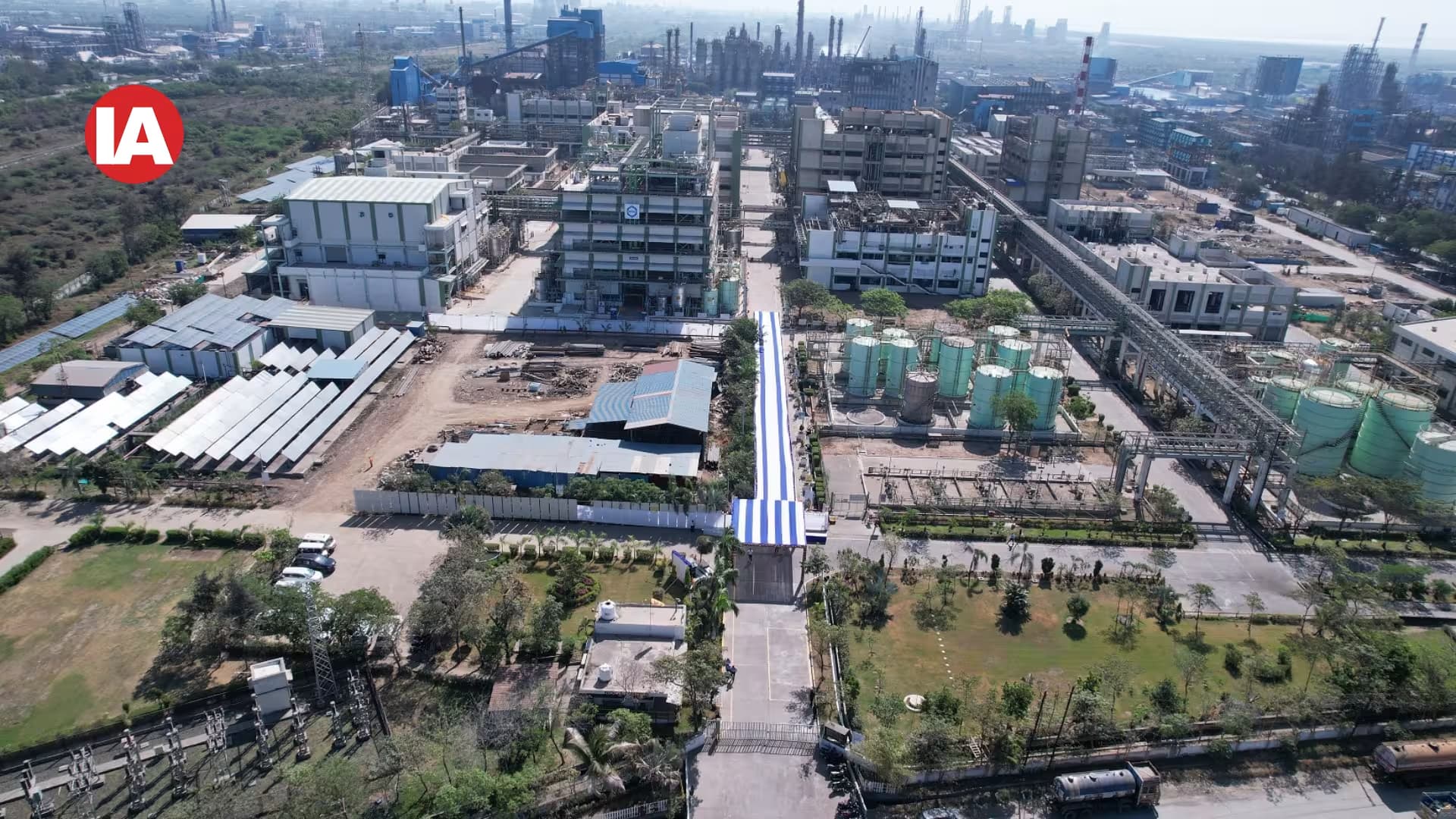
NOCIL Limited commissioned its ₹250 crore Pilnox TDQ/TMQ manufacturing facility at Dahej, Gujarat in April 2026. Located in the Dahej PCPIR, the plant produces critical anti-degradants for tyre durability and non-tyre rubber applications. The expansion strengthens NOCIL's capacity to meet domestic/global demand from its strategic raw material/port proximity.
Why This Matters
Tyre mixing lines demand <0.5% batch variation—imported chemicals cause 15% scrap rates at Apollo/MRF plants per AIRIA data. NOCIL's local production cuts lead times from 12 to 3 weeks, enabling just-in-time PLC scheduling vs 3-month import buffers. Plant engineers trade 8% premium for zero supply disruptions during monsoon port delays costing ₹25 lakh/shift. Dahej PCPIR integration ensures 99.5% uptime vs 92% Navi Mumbai plants, critical for CEAT's automated extrusion lines. Creates validated chemical digital twins for Industry 4.0 tyre plants where 70% still run manual compounding.
Industry Context
India produces 230M tyres yearly but imports 65% rubber chemicals despite PLI schemes. Dahej PCPIR hosts 75% Gujarat chemical capacity—NOCIL joins Deepak Nitrite/LG Chem cluster cutting logistics 40%. PAT Scheme mandates 12% energy cuts; NOCIL's energy-efficient processes enable compliance for downstream tyre automation.
Leadership Commentary
"Building strong domestic capabilities is a responsibility we take seriously."
NOCIL MD Anand V S targets tyre makers' pain point—18-month qualification cycles demand guaranteed consistency only local scale provides.
Key Takeaways
Pilnox TDQ/TMQ cuts batch failures 15%, saving ₹12 lakh/quarter in scrap.
Dahej PCPIR cuts lead times 75%, enables JIT PLC batching.
99.5% supply uptime vs 92% imports during monsoon disruptions.
Validated digital twins for Industry 4.0 tyre mixing lines.
About NOCIL Limited
NOCIL manufactures rubber chemicals with Navi Mumbai HQ and Dahej manufacturing. Supplies 60% domestic tyre segment including MRF, Apollo, CEAT. Recent: ₹250 Cr expansion completes PLI localisation targets.
FAQ
What is NOCIL's Dahej expansion?
NOCIL commissioned a ₹250 crore Pilnox TDQ/TMQ anti-degradant facility at Dahej PCPIR, Gujarat in April 2026, strengthening India's rubber chemicals self-reliance for tyre and non-tyre applications.
Why does this matter to tyre automation engineers?
India's tyre plants lose ₹6,500 Cr yearly to inconsistent chemical batches—PLC batching fails 12% runs. Local Pilnox supply cuts lead times from 12 to 3 weeks, enabling JIT scheduling vs import buffers.
What are Pilnox TDQ/TMQ chemicals?
Critical anti-degradants ensuring tyre durability, performance, and safety. Dahej production guarantees <0.5% batch variation vs 15% scrap rates from imported chemicals at Apollo/MRF plants.