Rajesh Power Signs BESPA with GUVNL for Major Battery Storage Project in Gujarat
Rajesh Power enters grid-scale energy storage with a 130 MWh battery project in Gujarat, strengthening renewable integration and grid stability.
130 MWh Standalone BESS to Drive Grid Stability and Renewable Integration
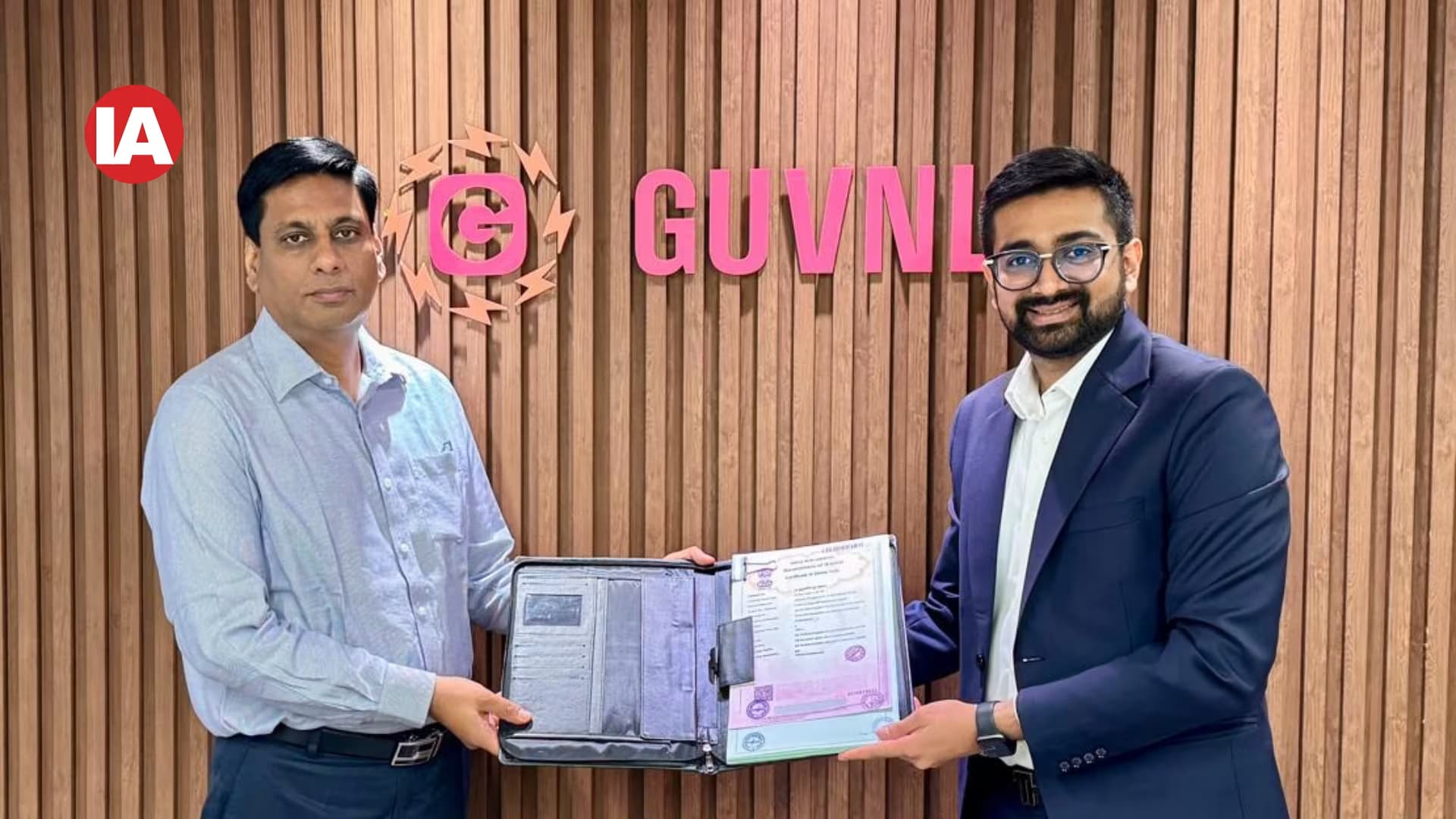
AHMEDABAD, March 06, 2026 — Rajesh Power Projects Private Limited, a wholly-owned subsidiary of Rajesh Power Services Limited (RPSL), has officially entered the utility-scale energy storage market. The company signed a landmark Battery Energy Storage Purchase Agreement (BESPA) with the state-run Gujarat Urja Vikas Nigam Limited (GUVNL) for a standalone project in Virpore, Gujarat.
This agreement marks a pivotal shift for Rajesh Power, moving them into the "big leagues" of grid-scale battery infrastructure. As India’s renewable energy capacity continues to skyrocket, projects like these act as the essential "shocks" for the national grid, absorbing excess power and releasing it exactly when needed.
Strategic Agreement and Financial Framework
The development follows a successful run in a tariff-based competitive bidding process under GUVNL's Phase VII standalone BESS selection.
Contract Duration: A long-term 12-year agreement from the date of commissioning.
Contracted Tariff: Fixed at Rs 1.89 lakh per MW per month.
Project Timeline: Expected commissioning within 18 months from the date of signing.
Funding Support: The project is bolstered by Viability Gap Funding (VGF) through the Power System Development Fund (PSDF), ensuring financial feasibility for this cutting-edge infrastructure.
Technical Specifications: 130 MWh of Grid Power
The standalone system is designed to provide high-capacity storage that allows the utility to manage intermittency—the "now you see it, now you don't" nature of solar and wind power.
System Capacity: 65 MW battery system.
Storage Volume: 130 MWh total capacity.
Discharge Duration: Capable of supplying full power to the grid for up to two consecutive hours during peak demand periods.
Operational Role: Storing surplus energy during low-demand hours and supplying it during peak evening or morning surges, effectively optimizing power procurement costs for GUVNL.
"The signing of the BESPA with GUVNL marks an important milestone... As renewable energy capacity continues to grow, battery energy storage systems will play a critical role in ensuring grid flexibility and reliability." — Mr. Kurang Panchal, Managing Director, Rajesh Power Services Limited.
FAQ.
What is a "Standalone" BESS?
A standalone Battery Energy Storage System is not physically co-located with a specific power plant (like a solar farm). Instead, it sits directly on the grid as an independent asset. This allows it to charge from the entire grid's surplus energy—regardless of the source—and provide stability services wherever they are most needed.
Why is a "BESPA" different from a standard PPA?
A PPA (Power Purchase Agreement) typically pays for the energy generated (per kWh). A BESPA (Battery Energy Storage Purchase Agreement) often focuses on availability and capacity. The utility pays to ensure the battery is "standing by" and ready to discharge, which is why the tariff is structured as a monthly payment per MW of capacity.
What is the significance of "Two-Hour Storage"?
In the world of grid management, two hours is a critical window for "peak shaving." Most daily demand spikes occur in short bursts (typically early evening). A two-hour discharge allows the utility to cover these peaks without having to fire up expensive and carbon-intensive coal or gas peaking plants.