Safe and reliable PV DC connections in single-axis tracker applications
Single-axis solar tracker systems increase energy yield but introduce dynamic mechanical stress to PV DC connections, raising risks of premature failure. Stäubli’s engineering expertise and rigorous testing underscore the importance of proper installation and mechanical isolation to ensure safety, reliability, and long-term operation of connectors in PV plants.
Inspired engineering and technical expertise motivate us to develop the most innovative and versatile connectors.
Windsor, Calif., August 2025 – Single-axis solar tracker systems are common in large solar farms and utility-scale PV plants to maximise energy production, especially in regions with high solar exposure. These systems improve solar energy capture by automatically altering the alignment of photovoltaic panels during the day. In contrast to fixed-tilt setups, they rotate on a singular axis, tracking the sun's path, thereby enhancing efficiency and increasing energy output. While improving efficiency, they also introduce dynamic mechanical stress to the DC wiring and connectors, a factor that is often underestimated in current installation practices.
One of the critical challenges in this kind of application is mechanical stress on the DC wiring system, due to its inherent dynamic movement. This additional stress can lead to premature failure of the PV DC wiring and connections and thus to potential risks to PV assets.
Stäubli plays a leading role in providing quality products for the DC wiring systems of solar power plants. With our more than 30 years of experience in this industry, we have a responsibility to improve reliability and safety in PV installations. Utilizing our service group, we have witnessed inappropriate wiring practices utilizing Stäubli components as well as other DC connector solutions. Stäubli addresses these challenges with key recommendations for preventing premature failure of PV DC connections.
Grayson Maurer, Head of Renewable Energy Services at Stäubli in North America highlights the significance of respecting manufacturer's instructions: "Strict adherence to the installation manual and procedures ensures a long-term, stable connection. The assembly and appropriate integration of connectors into the PV system is critical for the performance and safety of the asset."
Our tests on DC connectors revealed that subpar installation practices can enhance the negative effects of cyclic dynamic loads induced by the tracker movement.
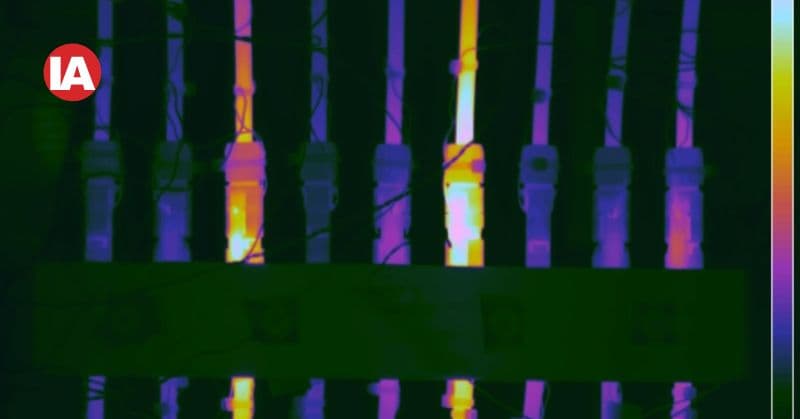
Examination at our in-house testing laboratories in Windsor, California showed that inappropriate wiring practices can negatively impact DC connector systems. Introducing cyclic mechanical loads into a properly assembled DC harness leads to degradation and eventual failure, regardless of connector type or manufacturer. Improving these practices can prevent the negative impact of mechanical loading on PV connectors and enable reliable operation.
Grayson Maurer, Head of Renewable Energy Services at Stäubli in North America adds: "Ensuring the mechanical isolation of connectors is not just about static force protection but equally about safeguarding against dynamic forces inherently present in tracker-based installations."
We have also performed extensive testing on both our own Stäubli components, but also third-party DC connectors and all test specimens exposed to the effects of inappropriate wiring strategies have shown premature failure of the product. The Stäubli testing has shown that isolation of cyclic mechanical loads, which are intrinsic in tracking systems, can be accountable for many of the failures we have investigated.