Volvo New Electric Trucks Up to 700 km Range India Impact
Volvo Trucks launches new long‑distance electric trucks with up to 700 km range and next‑gen FH/FM/FMX Electric models with up to 470 km, reshaping the outlook for Indian long‑haul and mixed‑duty fleets moving toward fossil‑free transport.
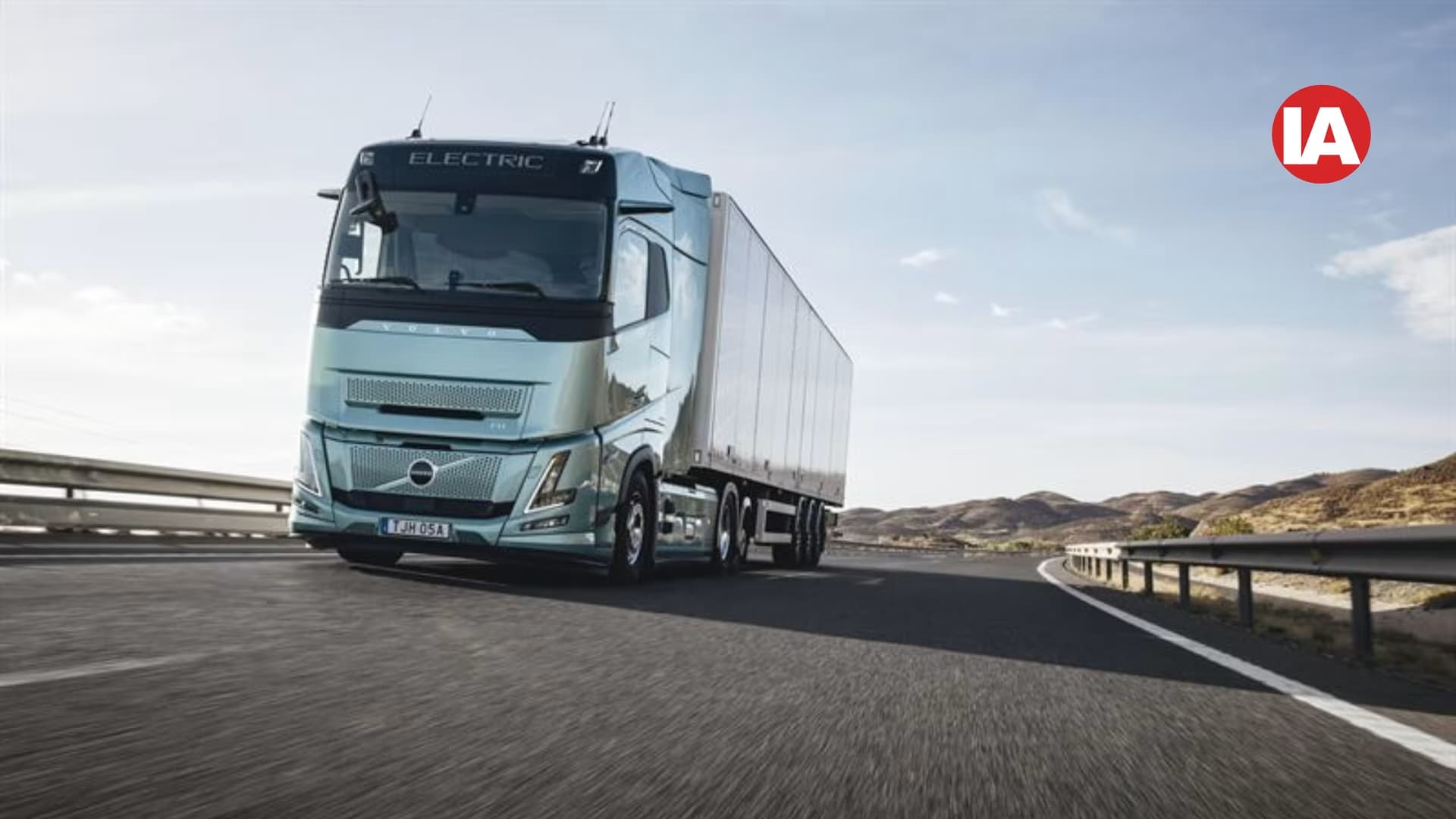
India’s long‑haul freight and city logistics both face a hard push toward electrification under PLI‑linked EV targets and upcoming emission norms. Volvo’s new long‑range electric trucks reset the performance bar, giving Indian fleet operators a credible diesel‑replacement scenario for point‑to‑point highway runs and mixed‑duty city operations.
What Happened
Volvo Trucks has unveiled two families of next‑generation electric trucks:
A new long‑distance Volvo FH Aero Electric with extended range, claimed up to 700 km on a single charge, using a new e‑axle that frees up space for eight batteries and supports Megawatt Charging System (MCS) charging.
Next‑gen FH, FM, and FMX Electric heavy‑duty trucks with up to 470 km range, faster 20–80% charging in about 65 minutes, and an integrated gearbox PTO that powers concrete mixers, hook lifts, and refuse units without extra motors.
All models will be rolled out stepwise to global markets starting 2026, with clear implications for Indian trucking, OEMs, and charging‑infrastructure planning.
Why This Matters

For Indian fleets, 700 km effectively covers most single‑leg highway routes (e.g., Delhi–Mumbai at ~1,200 km can be split into two 600 km legs with recharging). The MCS‑compatible 50‑minute 20–80% top‑up within EU‑style rest‑period rules hints at how fast‑charging corridors could be structured along India’s Golden Quadrilateral and Delhi–Mumbai Expressway.
Beyond range, the integrated PTO and multi‑application design make FH Electric variants relevant for construction, waste collection, and last‑mile distribution, where diesel‑based auxiliaries dominate today. This moves Volvo’s electric play beyond “green image” into hard ROI calculations for Indian operators.
Industry Context
India’s EV push in heavy commercial vehicles is still early, but OEMs and consortia are actively testing hydrogen‑ and battery‑electric trucks on key corridors. Volvo’s 700 km benchmark pressures rivals to match or exceed both range and payload, while also nudging Indian state and private players to accelerate MCS‑style high‑power charging hubs at key logistics nodes.
The move aligns with Volvo’s net‑zero‑by‑2040 roadmap and its three‑path strategy (battery electric, fuel cell electric, and renewable‑fuel combustion). For Indian planners, it signals that electric long‑haul will no longer be a “second‑class” option but a core transport architecture, especially on national‑highway and port‑to‑SEZ routes.
Leadership Insight
“Electric vehicles will deliver a large part of the world’s truck transport in the future,” says Roger Alm, President, Volvo Trucks. Behind this statement is a deliberate shift: Volvo isn’t just de‑risking regulation but is betting that electric long‑haul will outperform diesel in uptime, energy cost, and data‑driven fleet management once charging infrastructure matures.
Key Takeaways
700 km FH Aero Electric makes single‑day EV long‑haul feasible on India’s key corridors, reducing the need for frequent stops.
MCS‑compatible 50‑minute 20–80% charging sets a template for high‑power charging corridors along national highways and logistics hubs.
Integrated PTO and 470 km FH/FM/FMX Electric broaden electric viability into construction, waste, and mixed‑duty fleets, not just dry‑van haulage.
Higher payload + range erodes diesel’s traditional advantage in Indian highway freight, shifting CAPEX vs. OPEX trade‑offs for bulk operators.
The launch signals that Volvo is treating India’s trucking market as a full‑scale EV target, not just a pilot region, which will trickle down to local partners and infrastructure investors.
About Volvo Trucks
Volvo Trucks is a global leader in heavy‑duty trucking, offering a broad electric lineup spanning FH, FM, and FMX platforms. Its strategy focuses on fossil‑free transport through battery‑electric, fuel‑cell, and renewable‑fuel vehicles, with a net‑zero‑emissions target by 2040. In India, it partners with local logistics and OEM ecosystems to scale EV and alternative‑fuel solutions for highways and urban operations.
FAQ
What’s new with Volvo’s electric trucks this time?
Volvo has launched two big upgrades: a new long‑distance Volvo FH Aero Electric with up to 700 km range, and next‑generation FH, FM, and FMX Electric trucks with up to 470 km range. Both are built to handle real‑world freight, not just short shuttle runs.
How does 700 km actually help Indian operators?
That range is enough to cover major highway legs—like Delhi–Jaipur or Mumbai–Pune–Nagpur—in one go, with some buffer. For longer hauls (Delhi–Mumbai, around 1,200 km), splitting the trip into two 600 km segments with fast charging in between becomes a practical electric alternative to diesel.
What makes the FH Aero Electric different under the hood?
The key is the e‑axle and MCS‑compatible 8‑battery layout, which let Volvo pack more energy without sacrificing payload. Charging from 20% to 80% takes about 50 minutes, close to a driver’s mandatory rest break in many markets, so it keeps productivity on par with diesel trucks.