Europe on Fire: How Automation Helps Combat the Wildfire Epidemic
As Europe faces record-breaking heat and a surge in deadly wildfires, a new kind of firefighting force is rising—automation. From AI-powered drones and robotic ground units to IoT-enabled detection sensors and logistics systems, cutting-edge technology is transforming wildfire response across the continent, ensuring faster, safer, and smarter emergency interventions.
From Drones to Digital Twins: Automation Emerges as Europe’s New Firefighting Force
Another conflict is taking place far from the burned battlefield as Europe experiences the deadliest heat wave in recorded history, with temperatures reaching above 50°C and flames consuming woodlands from Spain to Greece. Machines, drones, and AI-powered automation systems that are intended to anticipate, identify, and fight wildfires in real-time are fighting this war alongside firefighters.
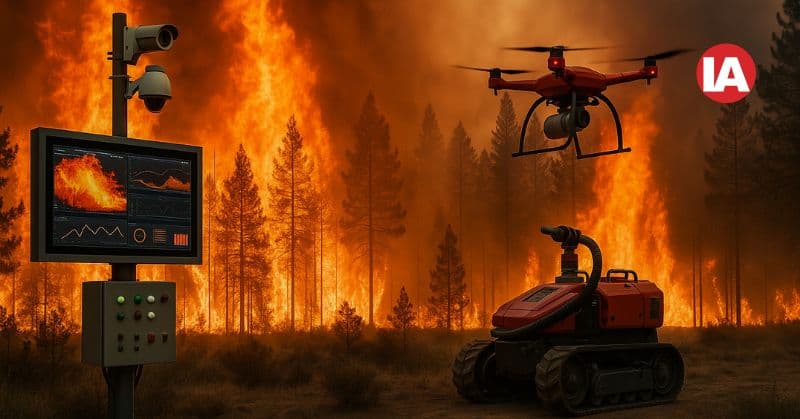
Governments and business partners in France, Italy, and Turkey have triggered the emergency deployment of ground-based robotic units and autonomous firefighting drones. These devices currently patrol smoldering zones where human crews cannot safely work since they are outfitted with thermal imaging sensors and real-time AI analytics. Conventional firefighting is nearly difficult when temperatures are this high. Industrial automation steps in at that point, according to Helena Karpov, FireTech Europe's automation lead. A vast network of IoT-enabled fire detection sensors in southern Spain has gone online, searching for smoke plumes and temperature irregularities. These sensors are directly connected to centralized AI control hubs. The system automatically deploys unmanned aerial aircraft with suppression payloads after detection. These drones follow totally autonomous protocols and use machine learning algorithms to pinpoint fire fronts with pinpoint accuracy, optimize their routes, and save fuel. Behind the scenes, logistics automation plays a crucial but unseen function. Automated supply chain systems that move anything from firefighting foam to evacuation supplies are now guided by real-time data input from affected areas. Smart robotics-powered warehouses are handling urgent inventory requests in a matter of minutes rather than hours.
Digital twins are now being used by disaster management organizations and urban planners to anticipate possible future heatwave events in addition to aiding with urgent firefighting. Authorities can test evacuation plans and resource allocations online before implementing them on the ground by putting real-time temperature and wildfire data into digital replicas at the city scale. In this climate crisis, what was formerly the domain of manual response and guessing has evolved into an ecosystem of automated, intelligent defense. The combination of industrial automation and emergency services highlights a new reality as Europe burns: in the era of extreme weather, technological intelligence is now driving human resilience. Additionally, the frontline of firefighting is becoming more and more mechanized, hybrid, and vital.