BASF Starts Commercial Production of Flame-Retardant Elastollan TPU in Shanghai
BASF begins Shanghai production of flame-retardant Elastollan TPU, boosting supply for EV cables and industrial robotics.
Expanding Localized Portfolios for Asia-Pacific’s High-Growth Cable Sectors
SHANGHAI, CHINA — March 3, 2026 — BASF has officially commenced the commercial production of its Elastollan® Flame-Retardant (FR) TPU grade at its Shanghai manufacturing site. This milestone completes a comprehensive local portfolio that now includes both Halogen-free Flame-Retardant (FHF) and the newly qualified FR grades.
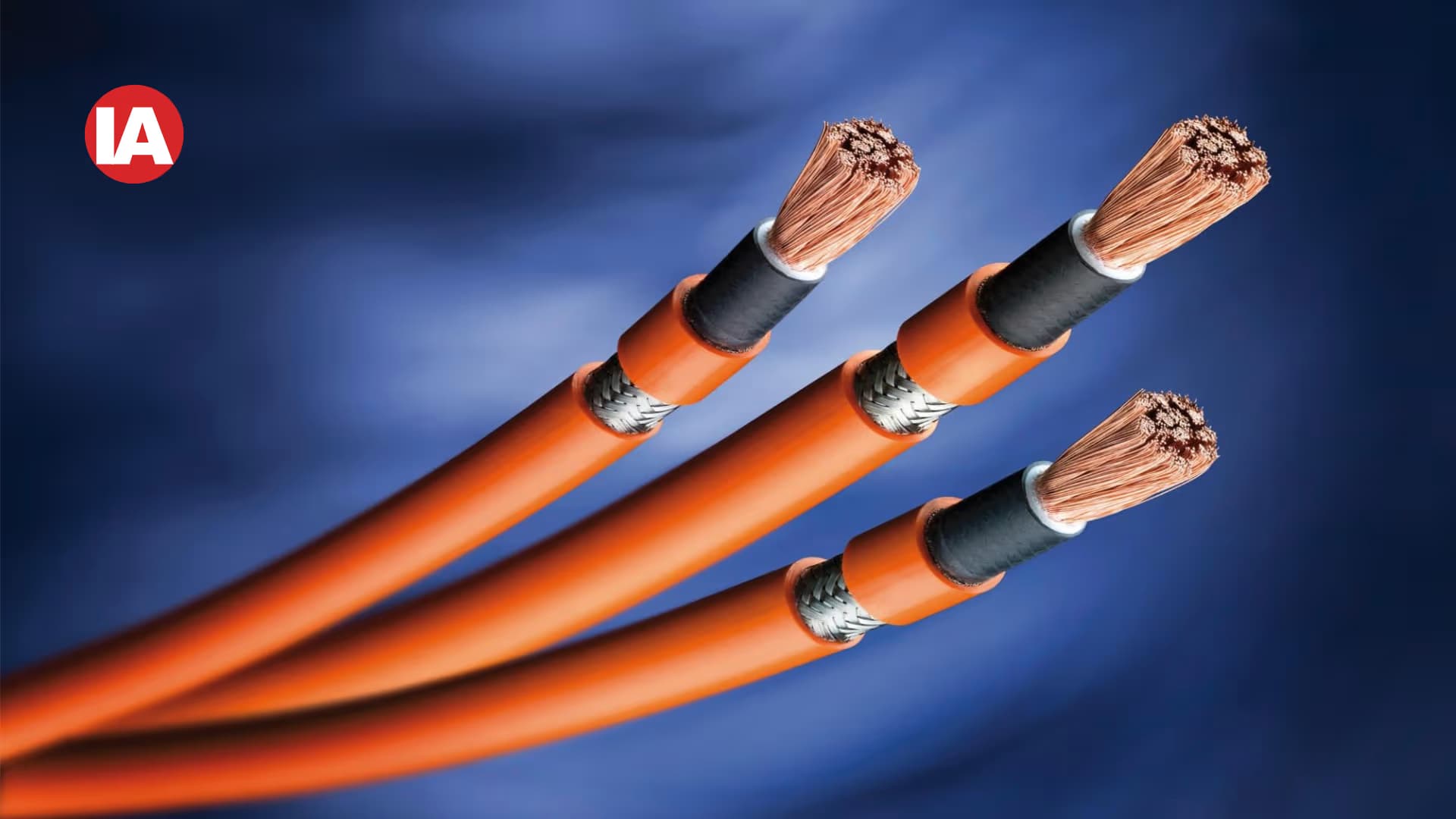
By localizing production, BASF is drastically reducing lead times and accelerating application development for the Asia-Pacific cable industry—a sector currently grappling with the rapid evolution of EV charging infrastructure and industrial robotics.
Technical Synergy: FHF vs. FR Grades
With this expansion, BASF provides a "one-stop" shop for manufacturers requiring specialized thermoplastic polyurethane (TPU) solutions.
Halogen-free Flame-Retardant (FHF): Localized in 2023, these grades are ideal for standard sustainability-focused applications where halogen-free materials are mandated.
Flame-Retardant (FR): The new 2026 grade is designed for more stringent application conditions, combining high-efficiency flame retardancy with the superior mechanical durability required for "always-on" industrial environments.
Strategic Market Impact
The shift to local production in Shanghai allows BASF to pivot from a "global supply" model to a "regional agility" model.
Targeted Industrial Applications
Industrial Automation & Robotics: Providing the flexibility and fire safety needed for high-cycle robotic movements.
EV Charging Infrastructure: Supporting the rollout of high-power charging cables that require both thermal stability and environmental resilience.
Specialty Components: Expanding beyond cables into high-performance hoses, tubes, and conveyor belt sectors.
"Local production of FR grades enables us to respond faster to specific technical requirements of the regional market while strengthening our competitive position... not only in cable applications, but also in specialty tubes and hoses." — Rohit Roop Ghosh, Vice President, Business Management TPU, Performance Materials Asia Pacific, BASF.
FAQ.
Why is "localization" significant for TPU production?
TPU is a high-performance material used in fast-moving industries. Localizing production in Shanghai means that Asia-Pacific customers no longer face the logistical delays of intercontinental shipping, allowing for "just-in-time" manufacturing and faster prototyping.
What makes Elastollan unique compared to standard TPU?
Elastollan is known for its exceptional balance of properties: it is highly resistant to abrasion, chemicals, and weathering while maintaining flexibility across a wide temperature range. The addition of "FR" (Flame Retardancy) makes it suitable for environments where fire safety is a regulatory requirement.
Is this material compliant with regional standards?
Yes. One of the primary drivers for local production is ensuring that the TPU grades meet the specific compliance and safety certifications required by the Chinese and broader Asia-Pacific industrial and automotive markets.