With automation at the core of ₹7,200 crore rail projects, PM Modi signals off Bihar's smart rail future.
With a ₹7,200 crore investment, PM Modi has launched a transformative rail infrastructure project in Bihar, placing automation at the heart of India's railway modernization. From AI-powered fault detection to IIoT-enabled smart control rooms, the future of rail in East Champaran signals a new era for industrial automation.
Automation Drives Bihar’s ₹7,200 Cr Rail Leap—From Tracks to Tech, India’s Smart Transport Future Accelerates
Prime Minister Narendra Modi laid the cornerstone for a ₹7,200 crore rail infrastructure development in Bihar's East Champaran district, marking a significant milestone in India's railway modernization. Although new stations and repair centers for Vande Bharat trains receive a lot of attention, industry insiders understand that automation is the real force behind this change.
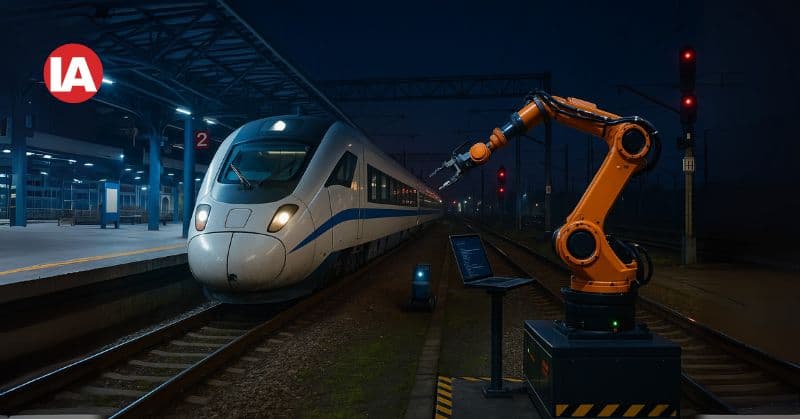
The integration of cutting-edge automation technologies across operations, maintenance, and signaling is the basis of these modern rail projects. Sensor-driven interlocking systems and AI-powered fault detection techniques will be included in the Bhatni–Chhapra Gramin line, which is currently scheduled for automatic signaling implementation. Smart control rooms with IIoT devices will manage rail traffic, identify anomalies, and make real-time adjustments to operations rather than depending entirely on human station masters and track monitors. Train control is only one aspect of automation. Robotics and predictive maintenance platforms will be used in the new Vande Bharat maintenance workshops that were announced as part of this plan. While AI-driven diagnostic systems will evaluate sensor data from engines and coaches to schedule maintenance before breakdowns occur, autonomous inspection bots will check undercarriages for wear and tear.
The rail initiatives in Bihar represent a new era of potential for the industrial automation community in India. The strategic expansion of railroads currently heavily relies on integrators and OEMs that provide SCADA systems, robotic maintenance equipment, machine-vision inspection tools, and cloud-based analytics platforms. The effects are felt in larger supply chains as well as in rail yards. In an effort to make Indian Railways not only larger but also more intelligent and effective, the government is currently testing automated inventory management, smart ticketing systems, and even drone-assisted track monitoring. This program directly supports local manufacturing and automation expertise while constructing infrastructure that is prepared for the transportation demands of the future. It also aligns with India's "Make in India" and "Digital India" initiatives.
One query reverberates throughout India's automation industry as Bihar's smart train network takes shape: Will your systems be experiencing this journey with you, or will you be observing the automation-powered future from the platform?