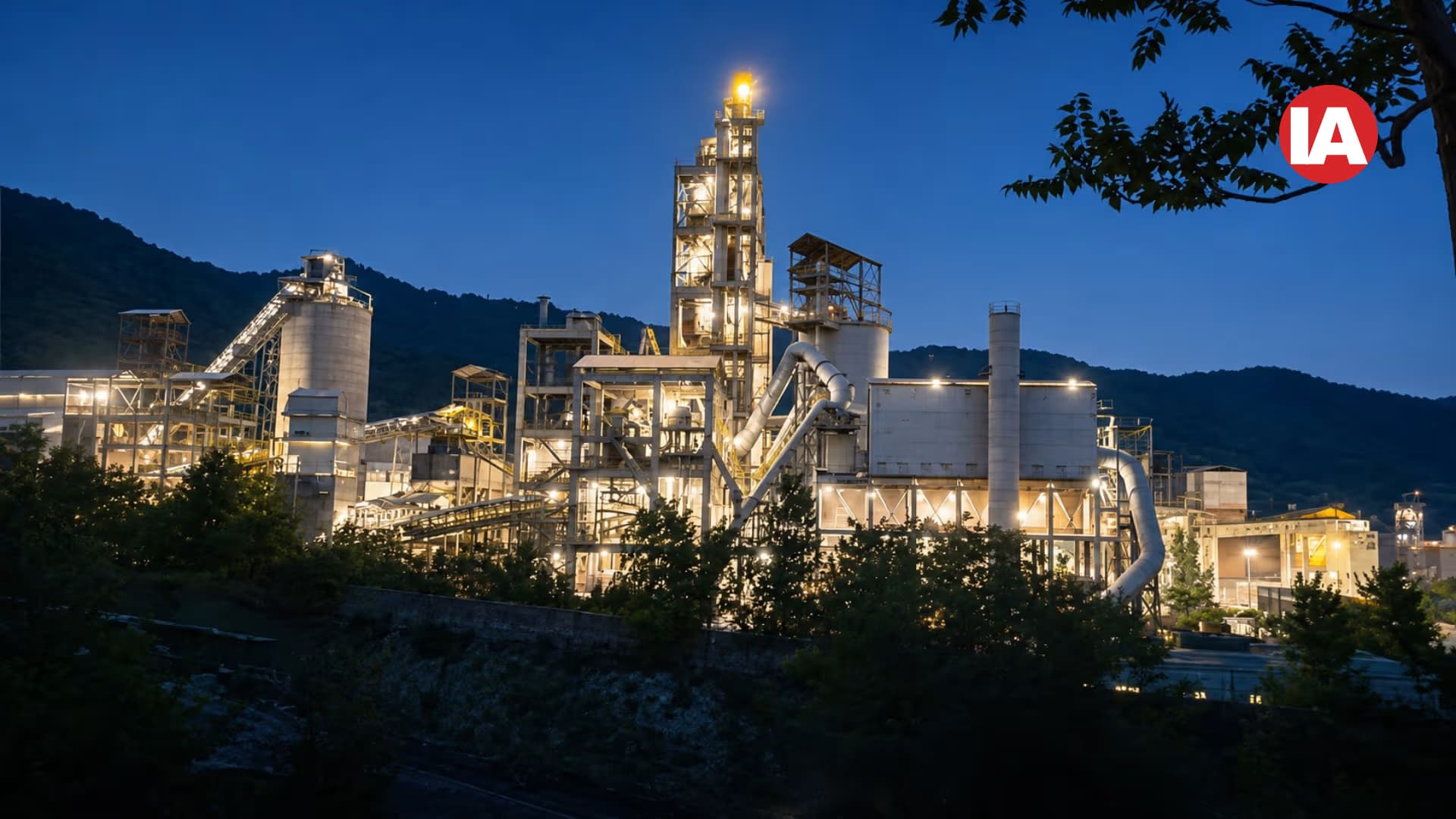
Fujiyama Power Systems Commissions 1 GW Solar Cell Manufacturing Plant in Dadri
Fujiyama Power Systems Limited has strengthened India’s renewable manufacturing ecosystem by commissioning a 1 GW solar cell manufacturing plant in Dadri, Uttar Pradesh, backed by a ₹300 crore investment. The new facility marks a major step toward backward integration, enabling in-house production of high-efficiency Mono PERC DCR solar cells to support India’s fast-growing rooftop solar market.
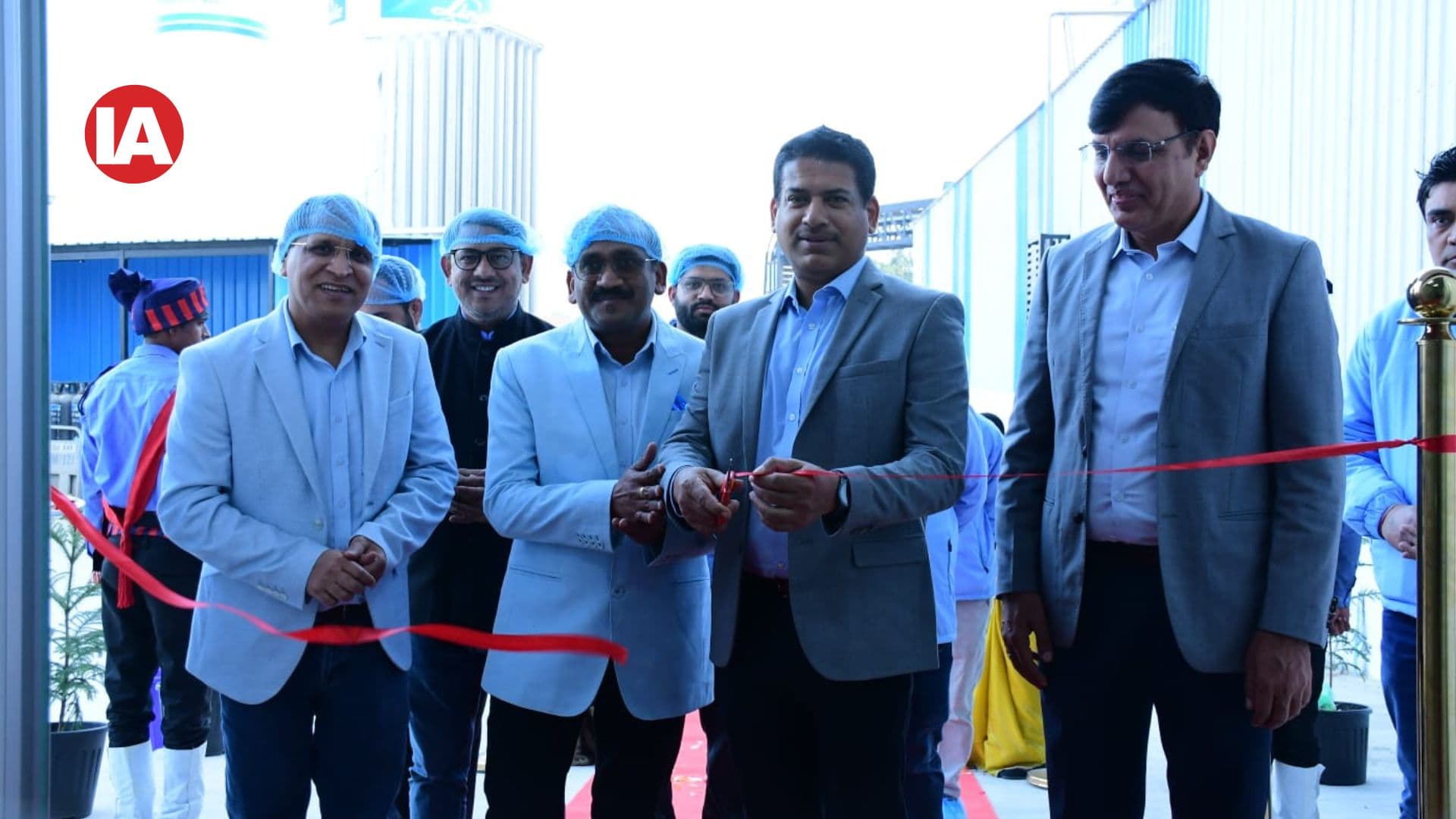
Rs 300 crore investment deepening backward manufacturing integration across the solar value chain with Mono Perc technology.
Fujiyama Power Systems Limited, a dominant leader in Indian rooftop solar solutions, has officially announced the planned commissioning of its 1 GW solar cell manufacturing plant in Dadri, Uttar Pradesh. The facility was inaugurated by Mr. Santosh Kumar Sarangi (Secretary, MNRE) and Mr. Rajesh Kulhari (Joint Secretary, MNRE), signaling a major milestone for India's renewable energy infrastructure.
Strategic Integration and Manufacturing Capacity
The Dadri solar cell plant is strategically aligned with the company's existing production footprint. Fujiyama Power Systems currently operates a total of 1.6 GW of solar panel manufacturing capacity, with 1.2 GW concentrated in Dadri. This newly added 1 GW solar cell capacity is earmarked entirely for captive consumption, ensuring a streamlined internal production cycle.
Strengthening Competitive Advantage in Rooftop Solar
By establishing in-house production, Fujiyama is bolstering its supply-chain security and reducing its reliance on imported components. This vertical integration provides a distinct competitive advantage in its "solar cell to rooftop" consumer strategy. Specifically, the facility will produce high-efficiency Mono Perc DCR solar cells, allowing the company to aggressively capture consumer demand driven by government subsidies and domestic content requirements.
Financial Investment and Rapid Execution
The state-of-the-art facility was completed with a total investment of Rs 300 crore, financed through a strategic mix of internal accruals and debt. Notably, the project was finalized within just six months, far outpacing standard industry timelines.
Leadership Perspective on Value Chain Control
Commenting on the commissioning, Chairman and Joint Managing Director, Pawan Kumar Garg, said:
"The commissioning of our solar cell manufacturing facility at Dadri represents a significant step in strengthening Fujiyama's manufacturing integration. The project has been completed within a short period of six months, which is significantly faster than the timelines typically seen for similar projects in the industry, and has also been executed well with savings in the originally budgeted cost. By bringing solar cell production in-house, we are improving visibility and control across the value chain, reducing reliance on imported cells and improving supply reliability for our solar panel operations. As our business is primarily focused on the domestic market with negligible export exposure, this integrated facility also insulates us from global trade uncertainties and tariff-related disruptions. I would like to congratulate the entire Fujiyama team for the successful commissioning of the plant. This facility supports our objective of building Indian manufacturing capabilities and positions Fujiyama to profitably capitalise on end-to-end solar solutions as it continues to scale across India."