Schneider Microsoft h2e POWER Cut Electricity in Green Hydrogen
Schneider Electric, Microsoft, and Indian green‑hydrogen pioneer h2e POWER showcase AI‑powered, software‑defined automation that cuts electricity use by up to 10% in India’s first autonomous solid oxide electrolyzer, improving levelised cost and scalability for industrial hydrogen projects.
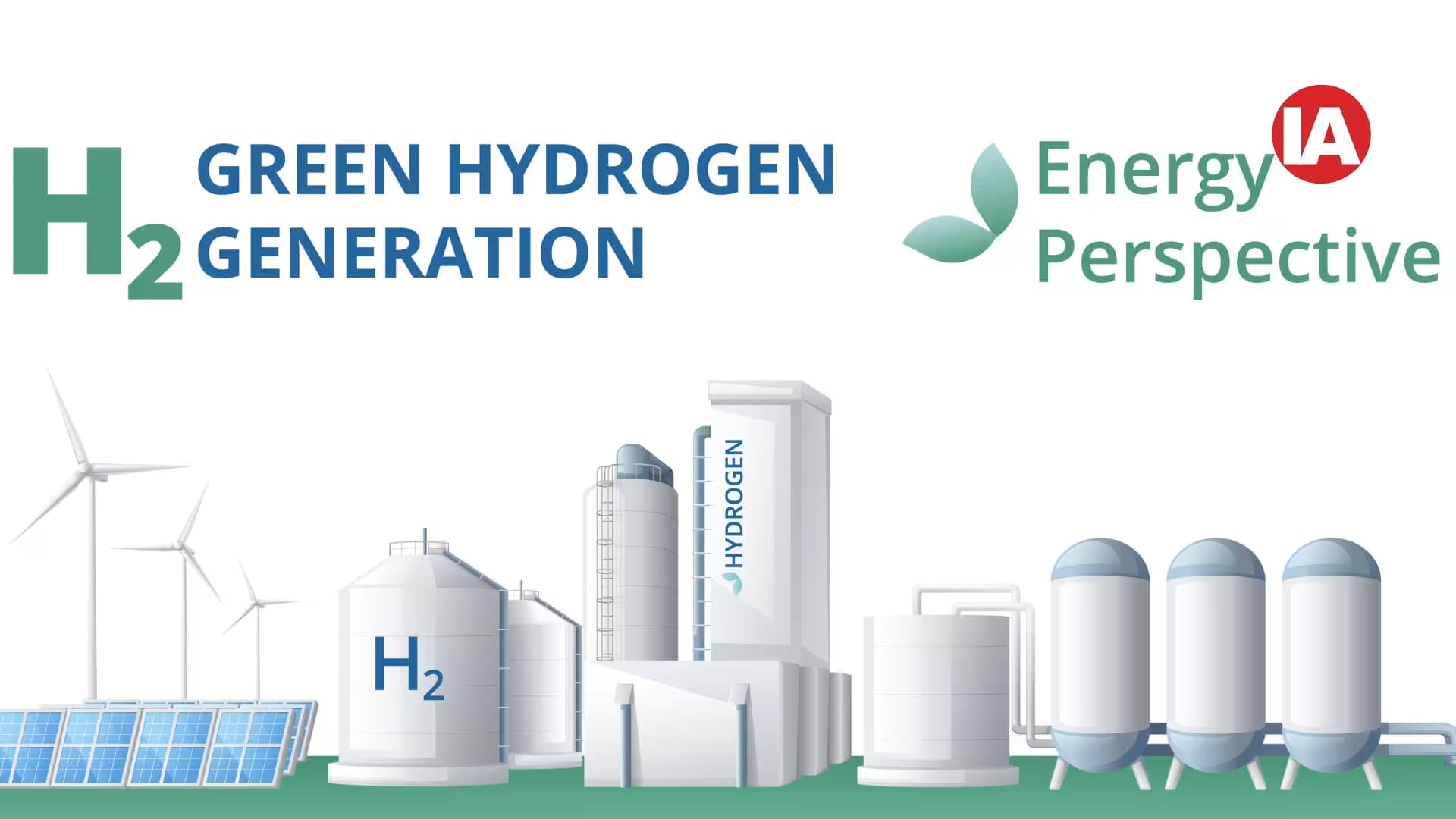
India’s push for green hydrogen is running into a hard constraint: electricity dominates more than 70% of production cost, and electrolyzers are tough to run efficiently at scale. The Schneider‑Microsoft‑h2e POWER collaboration demonstrates how software‑defined automation and AI can be the real lever to cut energy use, not just hardware tweaks.
What Happened
Schneider Electric, Microsoft, and Indian green‑hydrogen firm h2e POWER have deployed India’s first fully autonomous solid oxide electrolyzer (SOEC) system at 20 kW, built on Schneider’s EcoStruxure™ Automation Expert and Microsoft Azure‑powered Industrial Copilot. The system runs more than 6,000 hours in part‑ and full‑load conditions, with AI‑driven real‑time control of thermal balance, hydrogen flow, and equipment health, and has shown up to 10% reduction in electricity consumption and a similar drop in levelised cost of hydrogen.
Why This Matters
For Indian engineers and plant leaders, this is a working blueprint for how to attack green‑hydrogen economics: by treating the electrolyzer like a software‑defined asset, not a fixed hardware box. A 10% cut in energy use on a 10 MW plant can save around €500,000 per year, while remote, autonomous control reduces staffing overhead and improves uptime—an urgent need as India ramps up electrolyzer capacity under National Green Hydrogen Mission‑linked targets.
Industry Context
Make in India and India’s green‑hydrogen push are pushing for cheaper, reliable H2 across fertilisers, refining, and steel, but SOECs are notoriously hard to run because of thermal and flow complexity. The Schneider‑Microsoft stack—separating control logic from hardware, running inference at the edge via Azure, and using open standards—gives Indian OEMs and integrators a reference architecture for AI‑enhanced industrial assets beyond just hydrogen, including high‑temperature process plants and power‑intensive electrolysis skids.
Leadership Insight
“SOECs have always offered unmatched efficiency, but true commercial scale depends on sustainable operations, optimised energy consumption, durability, predictive maintenance and remote, autonomous control,” said Siddharth Mayur, Founder & Managing Director, h2e POWER. This line signals that the next competitive edge in green hydrogen isn’t just CAPEX cost, but operational intelligence and software‑driven re‑use of control logic across plants.
Key Takeaways
AI‑driven SOEC control with Schneider’s software‑defined automation and Microsoft Azure cut electricity use by up to 10%, directly lowering per‑kg hydrogen cost.
6,000+ hours of autonomous operation validate open, software‑defined control for one of the most demanding industrial processes—SOEC electrolysis.
Remote monitoring and predictive maintenance reduce stack wear and safety risks, improving ROI for Indian‑born or India‑deployed electrolyzer skids.
The Industrial Copilot‑driven automation stack can be reused across sites and vendors, breaking the legacy “lock‑in” syndrome that has held back industrial‑AI adoption.
For Indian OEMs and automation integrators, this is a live example of how to sell AI‑enhanced control as a differentiator in high‑energy industrial processes, not just a nice‑to‑have add‑on.
About Schneider Electric
Schneider Electric is a global energy‑technology and industrial‑automation leader, known for its EcoStruxure™ platform and open, software‑defined automation. The company focuses on digitalising energy and process systems, from grid to plant, and is a key enabler of AI‑driven flexibility in industrial environments.
About Microsoft
Microsoft provides Azure cloud, AI, and edge‑computing infrastructure for industrial and manufacturing applications. Its Industrial Copilot and Azure‑based AI‑services layer help asset‑heavy industries deploy intelligent automation at scale, bridging the IT‑OT gap with open‑standards‑based approaches.
About h2e POWER
h2e POWER is an India‑originated green‑hydrogen technology company based in Pune, with operations in India, Germany, and the USA. The firm specialises in high‑efficiency solid oxide electrolyzers and green‑hydrogen solutions aimed at decarbonising industrial and energy‑intensive sectors.
FAQ
What’s the big deal with this Schneider–Microsoft–h2e POWER project?
They’ve built India’s first fully autonomous solid oxide electrolyzer (SOEC) system, using Schneider’s software‑defined automation, Microsoft Azure, and AI to cut electricity use in green‑hydrogen production by up to 10%. That’s a major step toward making green hydrogen economically viable at scale.
Why is 10% electricity savings so important?
In green hydrogen, electricity makes up over 70% of production cost. A 10% reduction in power use can save roughly €500,000 a year for a 10 MW plant, plus it lowers the levelised cost per kilogram of hydrogen. For Indian OEMs and plant managers, that’s the difference between “green but expensive” and “competitive and bankable.”