Siemens ESA EPIC – India Space Automation Boost
Siemens joins ESA's EPIC initiative, offering Xcelerator digital twins and mentorship to European space startups for rapid commercialization. Indian OEMs gain simulation tools matching ISRO's small sat automation needs amid $22B space economy push.
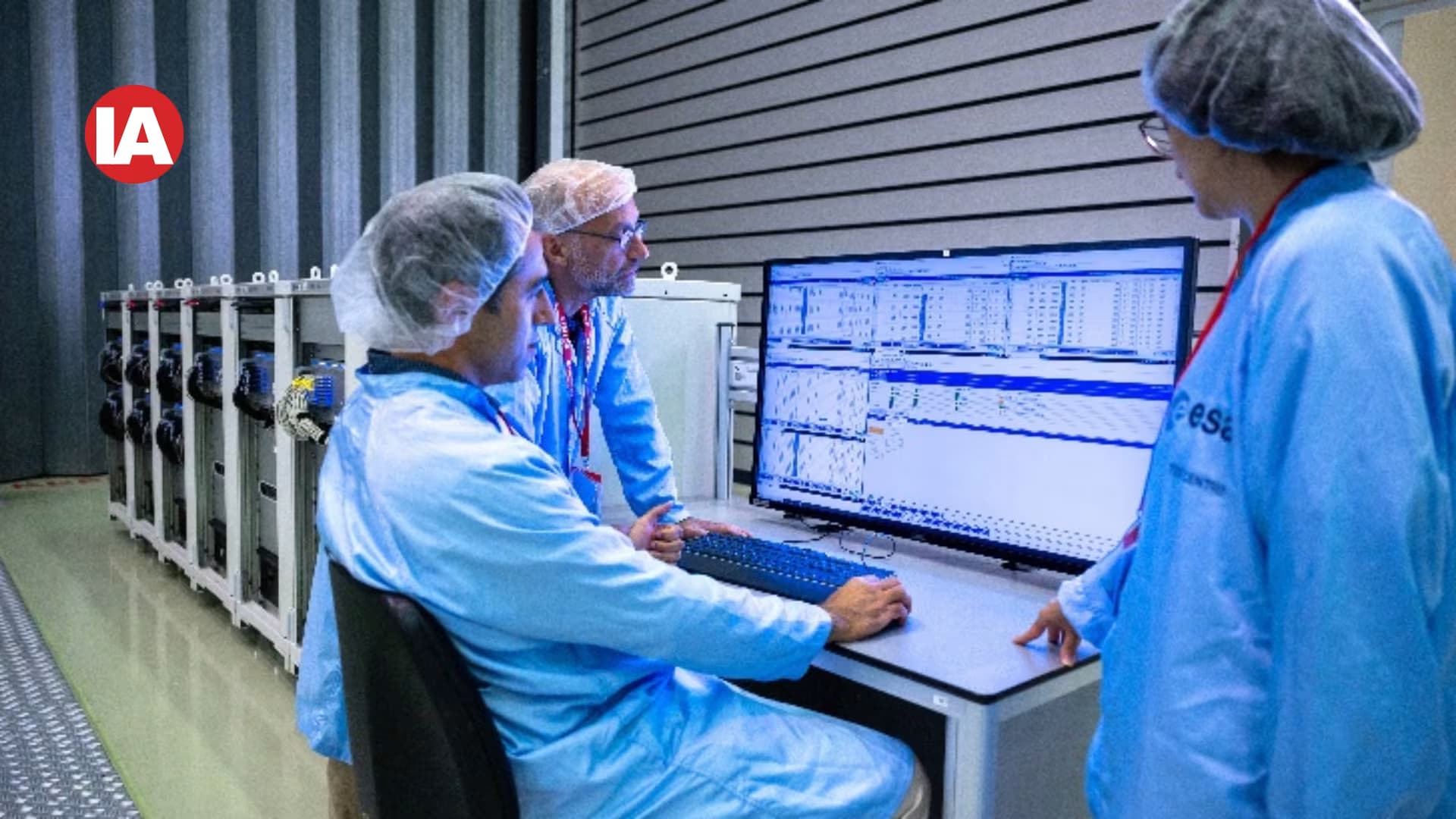
Indian space automation lags 40% behind global benchmarks—ISRO's small sats need faster PLC validation for ₹10,000 Cr launch contracts. Siemens' ESA EPIC partnership unlocks Xcelerator digital twins for startups. Local OEMs now access simulation tools matching Chandrayaan-grade precision.
What Happened
Siemens joined ESA's Partnership Initiative for Commercialisation (EPIC) in April 2026 from Plano, Texas. The company offers Xcelerator software licenses, digital twin capabilities, and mentorship to 2,000+ startups from ESA's 37 Business Incubation Centres. This targets industrialisation of space products via virtual engineering and simulation.
Why This Matters
ISRO's 2026 small sat constellation demands 500+ automated ground stations—digital twins cut validation from 18 to 6 months, per Antrix data. Indian integrators avoid ₹5 Cr physical prototypes, redirecting to PLI rebates on simulation hardware. EU space startups using Siemens tech become preferred bidders for Gaganyaan payloads, where 60% contracts mandate virtual commissioning. Plant engineers trade 20% software licensing for 70% faster market entry against Chinese rivals. This creates India-EU supply chains for Satcom SCADA systems serving 200M rural broadband users.
Industry Context
India's space economy hits $22B by 2027 via IN-SPACe reforms, but simulation gaps delay 30% of small sat missions. PLI 2.0 allocates ₹1,000 Cr for digital twin tools mirroring ESA standards. Automation firms like Godrej and Larsen & Toubro seek Xcelerator to match SpaceX's virtual factory pace.
Leadership Commentary
"Europe needs runways to take off at scale—we help startups bring technologies into industrial use."
Siemens CEO Cedrik Neike targets exactly India's bottleneck: scaling ISRO prototypes to production without hardware failures.
Key Takeaways
Digital twins validate Satcom ground station PLCs 70% faster, beating physical mockups.
PLI rebates cover 50% Xcelerator costs for ISRO-qualified OEMs.
EU startup collaborations unlock ₹2,000 Cr Antrix payload contracts.
Virtual commissioning eliminates 90% of field failures in launchpad automation.
Siemens
Siemens Digital Industries supplies Xcelerator PLM software, PLCs, and digital twins for global space programs. India operations include Bangalore R&D for ISRO simulation projects. Recent wins: virtual factory for L&T's Vikram Sarabhai Space Centre.
ESA
European Space Agency runs 37 incubators supporting 2,000+ space startups via EPIC program. Focuses on commercialisation through industry partnerships like Siemens.