Top Five Indian Manufacturers Commit ₹5,000 Crore to AI Driven Factory Floors, Targeting Zero Defects
Five leading Indian manufacturers have jointly committed ₹5,000 crore to transform factory floors with AI-driven automation aimed at achieving zero-defect, zero-downtime production by 2030. This initiative spans automotive, electronics, heavy machinery, and process industries and integrates AI technologies like digital twins and predictive maintenance to vastly improve productivity, energy efficiency, and quality.
India’s ₹5,000 Crore Push for AI‑Driven Factories Marks the Next Leap Toward Zero‑Defect Manufacturing, Blending Precision, Sustainability, and Self‑Learning Automation
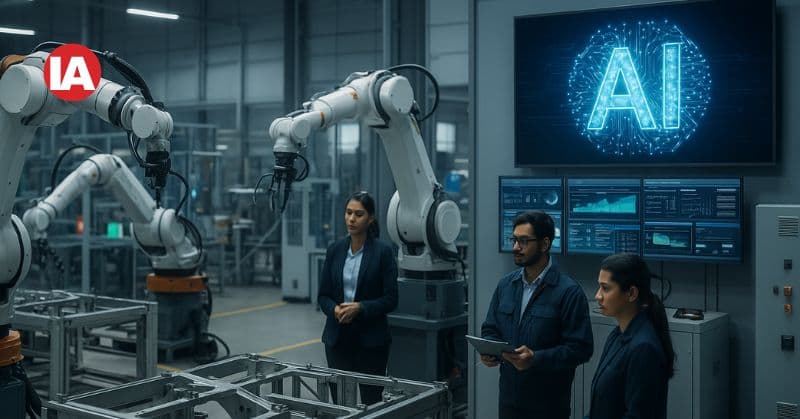
A new era of intelligence has arrived in India's manufacturing industry. Five of India's biggest manufacturing conglomerates have jointly announced a ₹5,000 crore investment in AI-driven factory transformation, a nationwide initiative to achieve "zero-defect, zero-downtime" production within the next five years. This historic move could redefine the future of industrial productivity. The project, which brings together businesses from the automotive, electronics, heavy machinery, and process industries, is one of the most ambitious automation initiatives in India's industrial history. Deploying artificial intelligence at every operational layer—from autonomous quality control to assembly analytics, and from raw material inspection to predictive maintenance—is the obvious goal.
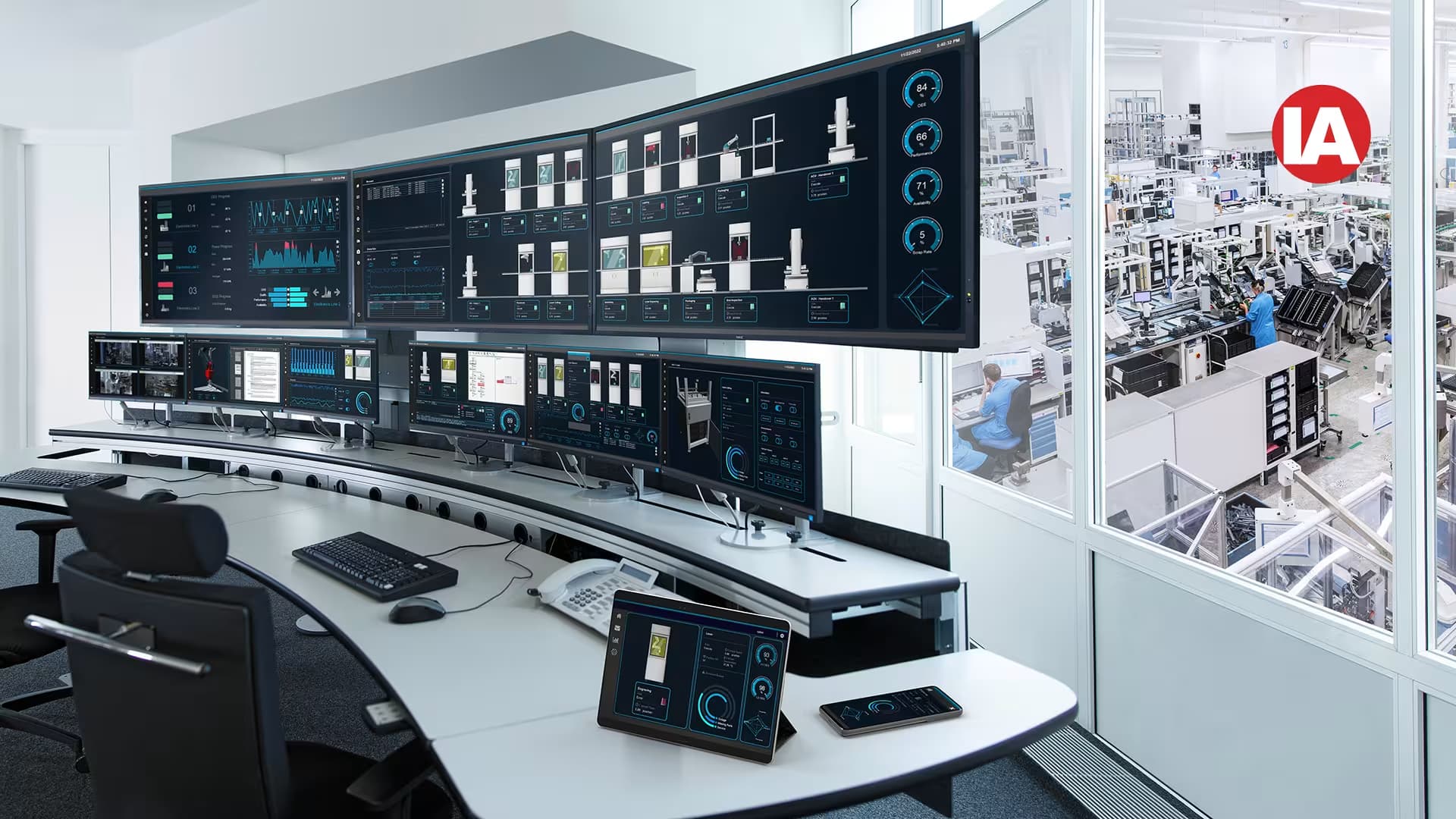
Digital twins of manufacturing lines, AI-integrated control systems, and machine learning-based defect prediction tools will all be developed as part of the program. Centralized AI hubs will receive real-time data from sensors, PLCs, and edge devices, enabling factories to self-diagnose inefficiencies, plan maintenance in advance, and fix mistakes before they happen. These smart factories are anticipated to achieve up to 25% energy optimization and eliminate human error by around 90% by combining robotics and AI-based decision engines.
According to industry observers, this wave of AI-driven automation has the potential to improve India's manufacturing standards to the level of South Korea, Japan, and Germany, changing the country's reputation from one of low-cost production to one of high-precision innovation. Along with creating thousands of new jobs in process automation, AI engineering, and industrial data science, the effort is expected to bring about a significant shift from traditional manufacturing to knowledge-driven operations.
In addition to being efficient, this partnership represents a strategic fit with India's long-term goal of tech-driven, sustainable industrial growth. AI will direct manufacturing intelligence, transforming factories into self-learning ecosystems that continuously improve through data, rather than merely anticipating or preventing mistakes.
This project represents a turning point in India's transition to Industry 4.0. As factories morph into sophisticated networks of humans, machines, and data, the vision of zero faults is no longer aspirational – it’s operational. India's manufacturers are demonstrating that AI-powered automation is about more than simply productivity; it is also about accuracy, reliability, and international competitiveness. India is at the forefront of the increasingly self-aware industrial era.