Digital Twin serves as the foundation for the next wave of industrial automation and optimisation, says Ibrahim A Fetuga.
In the never-ending search of efficiency, safety, and performance, the physical and digital worlds are no longer separate streams, but are merging into a powerful, synergistic entity. The Digital Twin, a virtual and dynamic representation of a physical asset, system, or process is fundamental to this change. A Digital Twin is much more than a static 3D model; it is a live, learning replica that is constantly updated with real-world data from sensors, enabling sophisticated analysis, modeling, and prediction. This technology is transforming industries where the cost of failure is outrageous and the need for optimisation is continual. The aerospace and energy sectors are at the forefront of this transition, with Digital Twins generating enormous value in everything from developing the next generation of airplanes to assuring the stability of our power grids. This technical article delves into the disruptive applications of Digital Twin technology in these crucial fields, including how these virtual mirrors are altering the lifecycle management of complex, high-value assets.
Deconstructing the digital twin

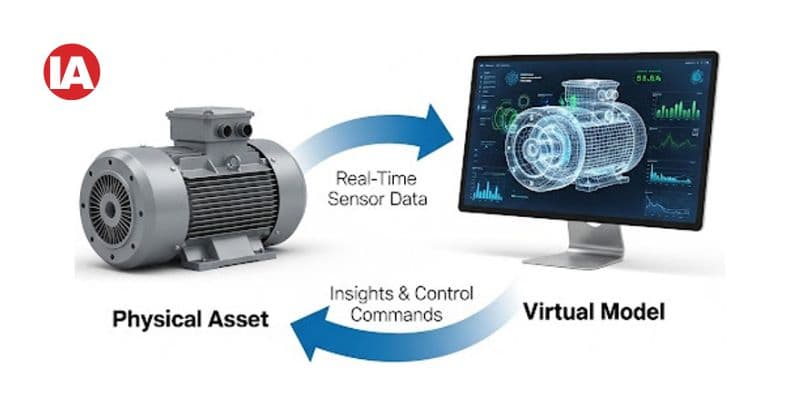
To fully comprehend its significance, it is necessary to understand the fundamental components of a working Digital Twin. It is a convergence of multiple technologies, based on three key pillars:
1. The Physical Asset: This refers to a real-world object or system, such as a jet engine, wind turbine, or power plant, equipped with a sensor network. These sensors serve as the twin's nervous system, continuously collecting data regarding its operational state, ambient conditions, and physical health.
2. Virtual Model: This is the digital counterpart. It begins with a high-fidelity model that frequently includes physics-based simulations, 3D designs (CAD), and material properties. However, it progresses much beyond its conception. The virtual model is a dynamic environment that stores the asset's entire operational history and allows for the simulation of future behaviour under a variety of circumstances.
3. The Data Connection: This is the vital link that fuels the virtual model. An integrated data platform enables a continuous, bi-directional flow of information between the physical asset and its digital counterpart. Real-time data from sensors constantly updates the virtual model while assuring its accuracy. In turn, insights and orders gleaned from the twin can be fed back into the physical asset for control and optimisation.
This continuous loop of data and feedback, which is frequently enhanced with the Artificial Intelligence (AI) and the Machine Learning (ML) algorithms enables the Digital Twin to not only show the current state but also predict future performance, diagnose emerging faults, and also test ‘what-if’ scenarios with no risk to the physical asset.
Soaring to new height: Digital twins in aerospace
The aerospace industry is built on the ideas of extreme precision and complete safety. An airplane's lifecycle, from design to decommissioning spans decades and is exceedingly complicated. Digital twins provide an effective foundation for managing complexity at all phases.
Design, test, and certification
Traditionally, designing and certifying an aviation component or system required creating many physical prototypes and subjecting them to demanding, expensive, and time-consuming testing. Digital twins pose a challenge to this architecture. Engineers may now create a virtual model of a new aircraft design or engine component and simulate its performance across millions of flying hours under extreme circumstances before machining a single piece of metal. This ‘test-before-build’ approach allows for rapid design iteration, detection of potential structural faults, and aerodynamic performance improvement.It significantly minimises the need for physical prototypes, expediting the certification process and lowering development expenses. For example, a Digital Twin of a landing gear system can be subjected to thousands of simulated landings on various runway types and weather circumstances to assure structural integrity and dependability.

Predictive maintenance and asset health
Predictive maintenance is perhaps the most influential use in aircraft. An airplane engine is a technological marvel, made up of thousands of delicate elements that work together under extreme stress. Failure in flight is a disastrous catastrophe. Manufacturers and airlines can transition from reactive or scheduled maintenance to a highly predictive approach by developing a Digital Twin for each individual engine.
Sensors incorporated in the engine send data on temperature, vibration, fuel flow, and blade stress to its Digital Twin. ML algorithms compare this data to previous performance and simulated wear patterns to identify tiny anomalies that indicate an impending malfunction. Instead of changing parts on a set schedule, maintenance technicians are notified to replace a specific component that is deteriorating, typically weeks in advance. This strategy, which is known as condition-based maintenance not only improves safety by preventing failures, but it also optimises operations by decreasing unexpected downtime and wasteful maintenance which in turn increases the operational life of the asset.
Powering the future: Digital twins in energy systems
The global energy sector is undergoing a huge transformation, fueled by the shift to renewable energy, the requirement for grid stability, and the desire for operational efficiency. Digital Twins have proven to be a valuable tool for navigating this complex world.
Optimising power generation assets
Efficiency is critical in both traditional and renewable power generation. A Digital Twin can simulate the complex thermodynamics of a gas-fired power plant's combustion process. By feeding it real-time data on fuel quality, ambient temperature, and load demand, operators can simulate changes to discover the ideal operating parameters that optimise energy output while reducing fuel consumption and emissions.
The capacity is essential for renewable assets like wind farms. Variable wind conditions have a significant impact on wind turbine performance. Digital Twin can handle real-time meteorological and operational data from individual turbines. It can then anticipate power output for the next few hours and make precise, coordinated changes to the pitch of each blade and the yaw of each nacelle across the farm. This ensures that the farm extracts the most energy from the available wind while decreasing mechanical stress on the turbines, preventing premature wear and tear.
Enhancing grid stability and management
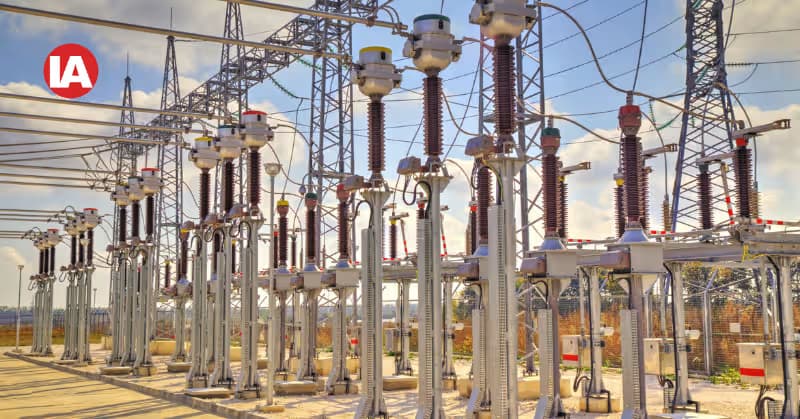
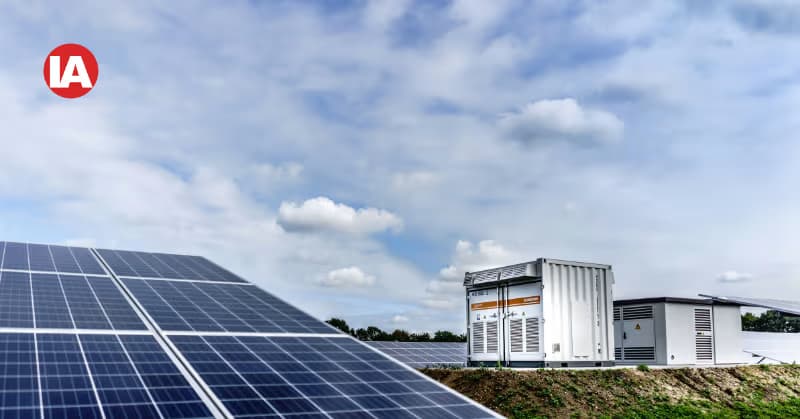
The integration of distributed energy resources (DERs) such as solar panels and wind farms has made modern power systems more complex. The intermittent nature of these sources presents a considerable challenge to grid stability. A Digital Twin of a regional power system can give operators a complete, real-time view of energy flow. By simulating both generation and consumption trends, the twin can forecast possible imbalances or bottlenecks. It can replicate the effects of a rapid drop in solar output due to cloud cover or a surge in demand during a heatwave, allowing operators to proactively redirect power or bring reserve production online to avoid outages. This predictive skill is critical for ensuring a consistent and stable electricity supply in the age of renewables.
The path forward: Challenges, synergies, and the role of AI

While the applications in aerospace and energy are unique, they face similar obstacles and have a promising future. The fidelity of a Digital Twin is totally dependent on the quality and amount of sensor data, which necessitates a strong IoT infrastructure and secure data transmission method. Furthermore, creating and maintaining these sophisticated models demands tremendous processing capacity and specialised knowledge.
The future of digital twins lies in their integration with powerful AI. As these virtual models collect more data, machine learning algorithms will allow them to become more autonomous, not only detecting errors, but also self-calibrating and optimising their physical counterparts in real time. We are heading toward a future in which a network of Digital Twins representing aircraft, power plants, and grids can communicate with one another to form a fully efficient, self-regulating ecosystem.
Conclusion
Digital Twin technology is more than just a unique engineering concept; it serves as the foundation for the next wave of industrial automation and optimisation. In aerospace, it improves flying safety and efficiency. In the energy sector, it facilitates a steady transition to a more sustainable future. By constructing a living, breathing digital mirror of our most valuable assets, we get extraordinary insight into, prediction of, and control over the physical world. As this technology improves, its influence will only grow, cementing its place as a critical tool for any industry seeking optimum performance and resilience in a complex, data-driven environment.
Ibrahim A. Fetuga is a mechanical engineer and doctoral researcher at department of Mechanical Engineering at Clarkson University, New York, USA. He is a fellow member of NIPES, ISDS and SASS. His research focuses on computational fluid dynamics, aerodynamics, thermofluid systems, sustainable energy technologies and Artificial Intelligence. Over the years, he has actively contributed to the engineering and academic communities by publishing several peer-reviewed journals and conference papers across the domains of CFD, heat transfer, energy optimisation and spacecrafts, serving as a member of the editorial board for the Journal of Engineering and Exact Sciences, Brazil, and as a technical reviewer for the highly reputed Elsevier and AIP publishing journals. He has led and collaborated on interdisciplinary research, and his efforts have been recognised with various honors, grants, and fellowships. This strengthens his position as a dynamic contributor to engineering innovation.
Author