The Shift Towards Smart and Connected Manufacturing
Industrial automation in India is entering a new phase.
It is no longer just about:
- Reducing manpower
- Increasing production speed
It is about building smarter, connected, and data-driven factories.
Between 2026 and 2030, Indian manufacturing will shift from basic automation to intelligent automation.
👉 To understand the fundamentals, start with what is industrial automation and how it works
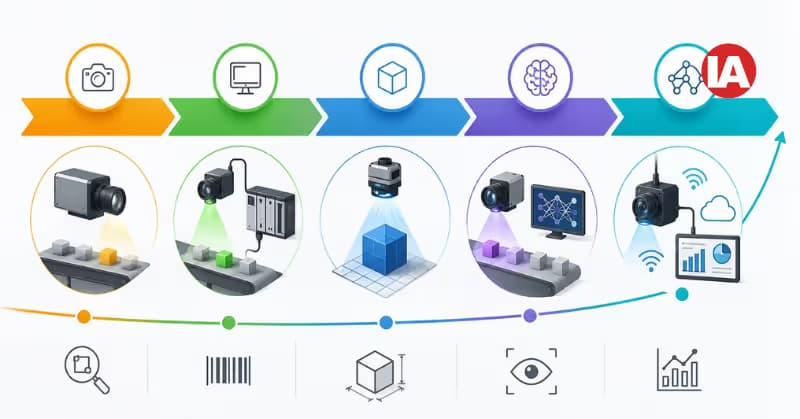
The Big Shift: Automation to Smart Automation
Earlier:
- Machines operated independently
- Limited visibility into production data
- Decisions were manual
Now:
- Machines are connected
- Data is available in real time
- Decisions are predictive and optimized
This transition defines the rise of smart manufacturing in India.
Top Industrial Automation Trends in India (2026–2030)

1. AI-Powered Manufacturing
Artificial intelligence is becoming practical and widely adopted.
Key Applications:
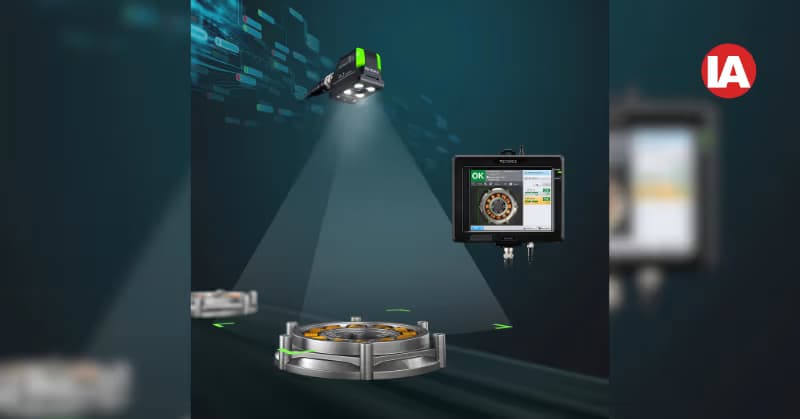
- Defect detection using vision systems
- Predictive maintenance
- Production optimization
Impact:
- Reduced downtime
- Improved quality
- Faster decision-making
2. Affordable Robotics for SMEs
Robotics is no longer limited to large enterprises.
What is Changing:
- Lower cost of robots
- Easier programming and deployment
- Faster ROI
SME Adoption:
- Pick-and-place robots
- Welding robots
- Packaging automation
3. Industrial IoT (Connected Factories)
Machines are now connected through sensors and networks.
Use Cases:
- Real-time production tracking
- Energy monitoring
- Remote diagnostics
👉 Many of these systems rely on automation and control systems used across connected factories
4. Digital Twin Technology
Before installing machines, companies are simulating:
- Factory layouts
- Production flow
- Bottlenecks
Benefits:
- Reduced implementation risk
- Better planning and optimization
5. Human + Machine Collaboration (Cobots)
Automation is evolving—not replacing people.
- Work alongside humans
- Handle repetitive tasks
- Improve safety
6. Data-Driven Decision Making
Factories are shifting from intuition to data.
You Will See:
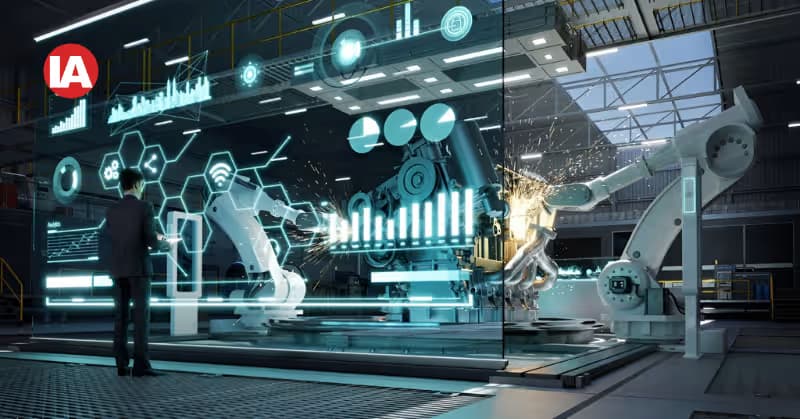
- Live dashboards
- Production analytics
- Real-time alerts
Factory owners can monitor operations remotely and make faster decisions.
7. Sustainability-Driven Automation
Automation will increasingly focus on:
- Reducing energy consumption
- Minimizing waste
- Lowering emissions
Driven by:
- Cost optimization
- Regulatory requirements
- Export standards
8. Warehouse and Logistics Automation
This is one of the fastest-growing segments in India.
Growth Areas:
- Automated warehouses
- Sorting systems
- AGVs (Automated Guided Vehicles)
Driven by e-commerce and supply chain expansion.
9. Cloud-Based Automation
Factories are moving toward:
- Cloud dashboards
- Remote monitoring
- Mobile-based control systems
This reduces dependency on heavy on-site infrastructure.
10. Skill Transformation (Critical Trend)
The biggest change will be in workforce roles.
Shift From:
- Machine operators
Shift To:
- Automation technicians
- System supervisors
- Data-driven decision-makers
Companies investing in skill development will lead the industry.
👉 Implementing these changes requires the right automation solutions to support connected and data-driven operations

What These Trends Mean for You
If You Are a Small Factory (SME)
- Start with basic automation
- Gradually adopt IoT and monitoring systems
- Focus on ROI-driven investments
If You Are a Mid-Sized Plant
- Integrate systems across processes
- Use dashboards and analytics
- Introduce robotics in key operations
If You Are a Large Enterprise
- Invest in smart factory ecosystems
- Use digital twins for planning
- Scale automation across multiple plants
What Will Not Work
Avoid these common mistakes:
- Copying large factory setups without strategy
- Over-investing without ROI clarity
- Ignoring workforce training
👉 Before investing, understand the cost of automation in India and its impact on ROI
👉 Also, selecting the right automation partner is critical for long-term success
Related Topics You Should Explore
- What is Industrial Automation (Beginner’s Guide)
- Cost of Automation in India (Industry Breakdown)
- How to Choose the Right Automation Partner
- Top Automation Companies in India
Final Thought
India is entering a defining phase in manufacturing.
Automation is no longer a competitive advantage—it is becoming a requirement.
But the real winners will not be the biggest factories. They will be the fastest and smartest adopters.
Explore Automation Solutions for Your Industry
Find verified companies offering automation and control systems, PLC solutions, and industrial automation services.