The convergence of IIoT, AI, robotics, digital twins, and cloud-edge platforms is creating safer, smarter, and more sustainable operations, says Arun Prasath.
Industrial process automation is at the heart of modern manufacturing, energy, and infrastructure development. By integrating robotics, AI, IIoT, and machine learning, industries are enhancing operational precision, improving efficiency, reducing costs, and creating safer workplaces. From oil and gas and chemicals to pharmaceuticals, food and beverage, water and wastewater, and power generation, automation is reshaping process industries by enabling more intelligent decision-making and reducing human dependency.
The future lies in the convergence of digital transformation, real-time analytics, and intelligent systems. Digital opportunities are also expanding nearly twice as fast as traditional automation product markets, pushing vendors to realign portfolios, build new partnerships, and adapt business models for long-term competitiveness.
This article explores the emerging technology trends in industrial process automation and their growing impact on global industries.

Emerging global trends in process automation
Industrial automation is evolving quickly to address demands for greater efficiency, compliance, and sustainability. Rising labour costs, energy mandates, and ESG requirements are pushing industries toward more innovative, more transparent operations.
The change is apparent. Plants are moving away from siloed equipment toward fully integrated ecosystems. Open architectures such as the Open Process Automation Standard (O-PAS) are driving this shift by enabling interoperability, modularity, and vendor-neutral integration.
Key technology trends in industrial process automation
1. Industrial Internet of Things (IIoT)
IIoT platforms connect smart sensors, PLCs, and actuators to deliver real-time data on temperature, pressure, vibration, and flow. This supports predictive maintenance, reduces downtime, and optimises resource use. Modern field devices are now intelligent enough to connect directly with enterprise systems, offering better asset visibility and smart diagnostics.
2. Artificial Intelligence and Machine Learning
AI and ML models analyse large volumes of process data to forecast failures, detect anomalies, and optimise schedules. Beyond process control, AI is spreading into other areas such as supply chain planning, cybersecurity, sustainability, and workforce productivity, making it a powerful enabler across the value chain.
3. Advanced Robotics and Collaborative Robots (Cobots)
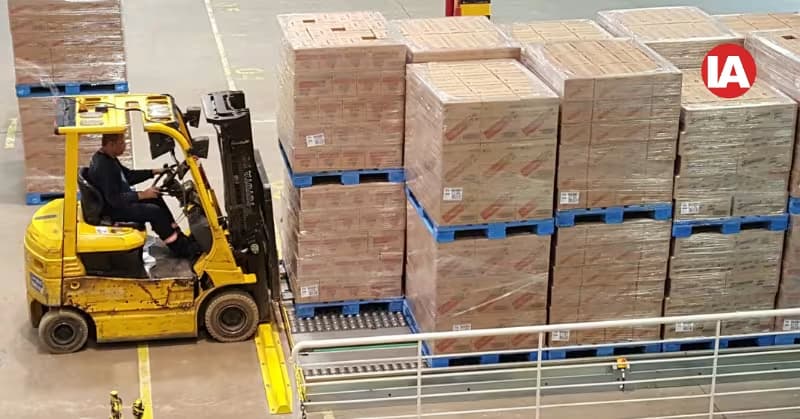
Industrial robots have long been a backbone of automation, but the next wave is collaborative robots (cobots) designed to work safely alongside humans. Cobots are finding applications in material handling, inspection, packaging, and assembly. They enhance safety and efficiency by working alongside humans, improving precision and reducing errors while increasing throughput.
4. Digital Twins
Digital twins provide virtual replicas of assets and processes, enabling simulation, testing, and optimisation before any physical changes are made. In process industries, digital twins are being widely used for real-time auditing, monitoring, and lifecycle management of assets. They also serve as a bridge between IT and OT systems, enabling predictive maintenance, reducing downtime, and improving decision-making by leveraging AI-driven insights on equipment health and process efficiency.
5. Edge Computing and Cloud Integration
Edge devices process critical data locally for immediate response, while cloud platforms provide enterprise-wide analytics and AI-driven insights. This combination is also reshaping business models. Automation delivery is shifting toward software-as-a-service, connected services, and outcome-based models that prioritise customer value.
6. Cybersecurity in Automation
Greater connectivity brings greater risk. Industrial plants are increasingly vulnerable to cyberattacks, making cybersecurity a core component of process automation. It has become a top priority, particularly in critical sectors such as oil and gas. AI-driven threat monitoring, secure architecture, and proactive frameworks are being embedded into systems to protect operations and ensure continuity.
7. Sustainable and Green Automation
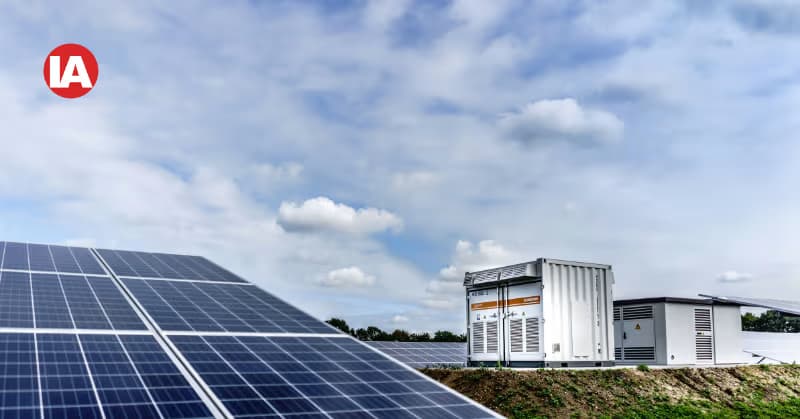
Automation is playing a growing role in sustainability. Energy-efficient drives, optimised process loops, and smart sensors are helping industries cut energy use and reduce emissions. Water, chemical, and power plants are integrating sustainability objectives directly into their automated processes.
Key developments in control architectures and business models
Next-generation Distributed Control Systems are enabling unified control and optimisation across entire plants. Modular automation, with its plug-and-play systems, is reducing engineering costs and making deployment more scalable. Human-Machine Interfaces are evolving into intuitive, AI-enabled dashboards enhanced with AR and VR, giving operators faster and clearer visibility.
Another significant step forward is the development of self-healing systems that can detect and adjust to faults automatically. Alongside these technical advancements, the business model is also changing. Vendors are moving toward lifecycle services, subscription models, and Product-as-a-Service approaches that link revenues to outcomes. The rise of Main Automation and Information Contractors (MAICs) is further transforming the industry by combining automation expertise with IT solutions, delivering integrated, enterprise-wide value.
Conclusion
Industrial process automation is moving beyond its traditional role as an efficiency tool and becoming the backbone of industrial competitiveness. The convergence of IIoT, AI, robotics, digital twins, and cloud-edge platforms is creating safer, smarter, and more sustainable operations. In the years ahead, partnerships, mergers and acquisitions, and new models such as MAIC will accelerate this transformation. Process automation will not only improve productivity but also strengthen resilience and sustainability, making it central to the future of global industry.
Arun Prasath – Principal Consultant, Industrial Technologies, Frost & Sullivan.
With 16 years of experience in product marketing, market research, and consulting, Arun Prasath has led 70+ market research and consulting engagements across global markets. His expertise includes market opportunity assessment, competitive analysis, M&A due diligence, and go-to-market strategies, with a strong focus on industrial automation, process control, and motion control. He has worked closely with industry leaders like Emerson, Siemens, ABB, and Flowserve, contributing to strategic consulting and thought leadership.
Arun holds an MBA in Marketing & Operations from Bharathidasan Institute of Management, Trichy, and a B.E. in Mechanical Engineering from Anna University, Chennai.
Author