Project Prometheus: Jeff Bezos’ New AI Venture Signals a Turning Point for Industrial Automation
Jeff Bezos returns to operational leadership with Project Prometheus, a $6.2 billion AI initiative focusing on industrial automation for the physical economy. The venture aims to revolutionize manufacturing, robotics, and smart factories by deploying AI for autonomous production, predictive maintenance, and real-time optimization, marking a new era in intelligent industrial automation.
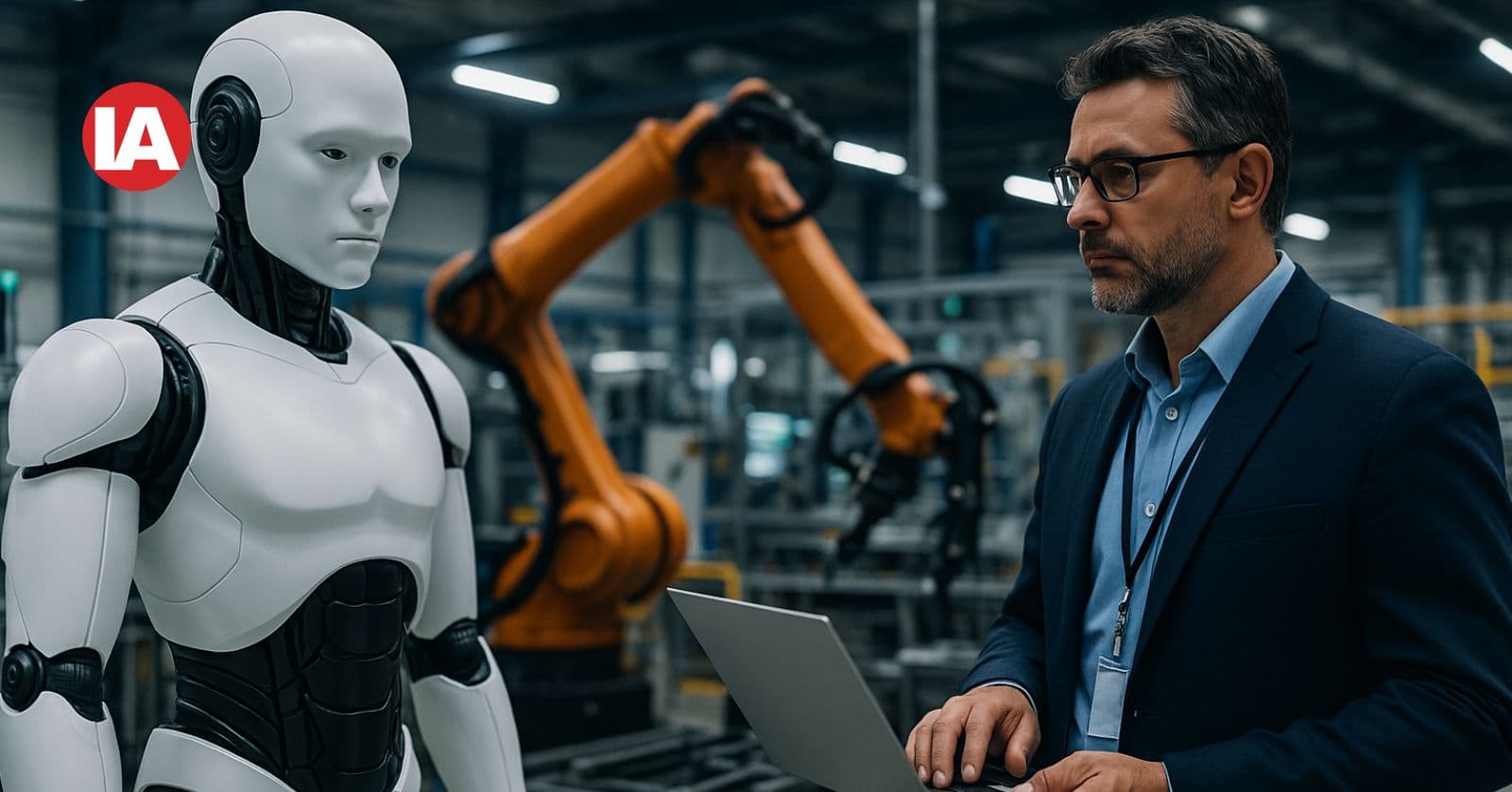
Project Prometheus Signals a New Era for Industrial Automation, as Jeff Bezos Bets Big on AI That Powers Real-World Factories and Robotics
Jeff Bezos’ return to operational leadership through Project Prometheus, a multibillion-dollar AI initiative, is reshaping the global tech and industrial landscape. Unlike consumer-focused AI models, Prometheus is designed for the physical economy—factories, robotics systems, engineered environments, and the core infrastructure driving industrial automation and smart factories.
AI for Machines, Not Media
Early reports indicate that Prometheus is assembling top engineers to build AI that manages, analyzes, and communicates directly with physical systems. The project aims to power autonomous production, robotic assembly lines, adaptive control systems, predictive maintenance engines, and next-generation AI-driven robotics. This marks a departure from traditional rule-based automation toward industrial AI that anticipates issues and optimizes operations in real time.
Toward Autonomous Production Ecosystems
If successful, Prometheus could accelerate the transition to fully autonomous production environments across automotive, aerospace, CNC machining, forging, and high-precision manufacturing. Potential capabilities include learning digital twins, self-coordinating robotics networks, and near-zero-defect production workflows—key pillars of Industry 4.0 trends.
Global Race for Intelligent Manufacturing
With Bezos’ influence and Amazon’s history in robotics-rich logistics, Prometheus intensifies the race for AI-driven industrial dominance. The project underscores a shift from machines that execute instructions to machines that learn, optimize, and adapt. Companies that harness this new wave of intelligent automation systems are expected to define the future of manufacturing.