The Supreme Court Updates the Stray Dog Policy: Automation Takes Over When Control and Compassion Collide
The Supreme Court’s updated stray dog policy mandates humane management balancing animal welfare and public safety in Indian cities. Automation technologies like AI-powered surveillance, GPS tracking, and predictive analytics are emerging as compassionate and effective tools for managing stray dog populations, enabling smarter, targeted responses that protect both humans and animals.
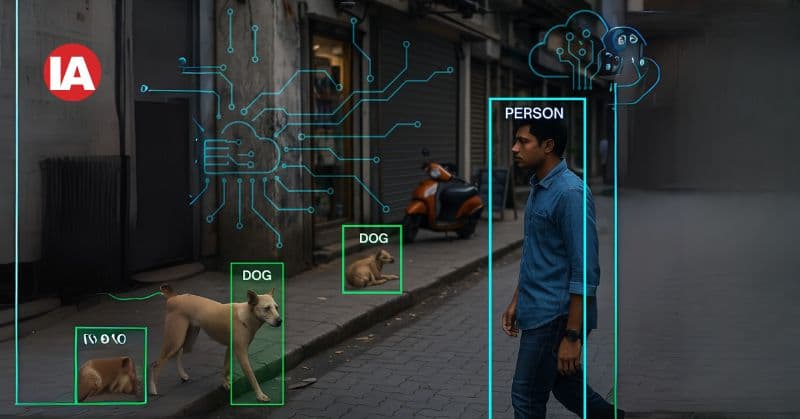
Supreme Court’s Stray Dog Ruling Opens Door for AI, IoT, and Automated Tracking to Balance Public Safety with Animal Welfare
New Delhi — In a historic decision, the Supreme Court ordered states to develop humane management procedures for rabid or dangerous animals while permitting sterile and vaccinated stray dogs to return to their original streets. The ruling strikes a balance between animal welfare and public safety, igniting discussions on how Indian cities may live with their street canines without using cruel or antiquated practices.
This is where automation may fill the gap between control and compassion. Conventional methods, such as indiscriminate sheltering or mass culling, are crude tools that are frequently cruel and ineffectual. On the other hand, smart technology can support the development of care, prevention, and precision systems. Real-time detection and tracking of strays using AI-powered security cameras allows them to differentiate between vaccinated, sterile dogs and high-risk individuals. Municipal teams can ensure prompt and focused treatments without upsetting innocuous animals by using automated alarm systems to alert them of unusual clustering, aggressive behavior, or medical distress. Citizens can instantaneously report dogs in distress or bites via mobile apps connected to centralized dashboards. This information is then fed into automated systems that monitor stray movements and welfare requirements throughout communities. In addition to providing authorities with the information they need to send out sterilization or medical teams promptly and effectively, these platforms enable residents to participate in humane management.
Accountability may be further improved by using GPS-enabled tags and Internet of Things collars during sterilization drives. Cities can monitor vaccination records, spot regions with growing stray populations, and allocate resources more efficiently by digitally registering dogs. Authorities can anticipate possible conflict areas, like those close to marketplaces or schools, with the use of predictive analytics, and resolve problems before they become more serious. In the end, automation provides something unique: the capacity to protect human safety while respecting the dignity of animals. India's cities are home to stray dogs, and keeping them under control calls for more than just physical force—it also calls for empathy and intelligence. In addition to being a significant legal ruling, the Supreme Court's ruling serves as a rallying cry for towns to unite in embracing compassion and technology.
When used properly, automation may serve as a protector for both people and animals, demonstrating that coexistence is not only feasible but also sustainable.