Darshana Thakkar examines affordable green energy transition alternatives for SMEs
As the global focus intensifies on sustainability and reducing carbon footprints, green hydrogen and green ammonia have emerged as promising alternatives for the energy transition. Small and Medium Enterprises (SMEs), often constrained by budgetary and infrastructure limitations, can significantly benefit from these technologies as they become more affordable and scalable. I will share here some insights about how SMEs can adopt green hydrogen and green ammonia as part of their journey toward sustainability.
Green hydrogen
Green hydrogen is produced by splitting water into hydrogen and oxygen through a process called electrolysis, powered by renewable energy sources such as solar, wind, or hydroelectric power. The result is a zero-emission fuel that can be used for industrial processes, transportation, and power generation.
Green ammonia
Green ammonia is synthesized using green hydrogen and nitrogen from the air through a renewable energy-powered process. Ammonia has traditionally been used as a fertilizer in agriculture, but green ammonia is gaining traction as a clean energy carrier and fuel for industries and transportation.
Applications of green hydrogen and green ammonia for SMEs
1. Industrial Applications
· Green Hydrogen:
-High-temperature industrial processes like metal refining, metal casting, Plastic and glass manufacturing, and ceramics can use green hydrogen as a clean alternative to fossil fuels.
-Hydrogen can replace natural gas in heating applications, reducing carbon emissions.
· Green Ammonia:
-Ideal for SMEs in the fertilizer industry, green ammonia provides a sustainable alternative to conventional fertilizers.
2. Transportation
· SMEs operating logistics fleets can transition to hydrogen-powered vehicles, which offer zero-emission mobility.
· Green ammonia is emerging as a fuel for maritime transport, suitable for SMEs in shipping or related sectors.
3. Energy Storage and Backup Power
· Hydrogen fuel cells offer a reliable and clean solution for backup power systems, ensuring uninterrupted operations during power outages.
· Green ammonia can serve as an energy carrier, enabling long-term storage of renewable energy.

Advantages of green hydrogen and green ammonia for SMEs
1. Both green hydrogen and green ammonia enable SMEs to achieve significant reductions in carbon emissions, aligning with the global sustainability goals of Decarbonisation.
2. By adopting renewable energy-powered solutions, SMEs can become energy-independent and reduce dependence on volatile fossil fuel markets.
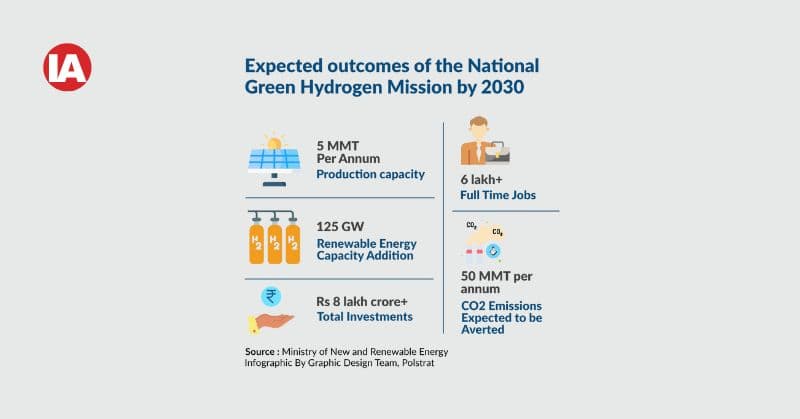
3. Many countries, including India, are offering subsidies, grants, and tax benefits to encourage green hydrogen and green ammonia adoption under initiatives like the National Green Hydrogen Mission.
4. Green hydrogen and ammonia have diverse applications, from industrial heating to transportation, enabling SMEs to use them across multiple operations.
5. Adopting green technologies can improve an SME’s reputation, attracting eco-conscious customers and investors.
Challenges in adoption
Despite their advantages, there are many hurdles SMEs face in adopting green hydrogen and ammonia:
· High Initial Costs ofElectrolysis systems and green hydrogen/ammonia infrastructure.
· Limited Infrastructure in terms ofThe availability of hydrogen refueling stations and ammonia storage facilities.
· Both technologies are still evolving, and large-scale adoption will take time.
· Producing green hydrogen and ammonia requires substantial renewable energy, which may not be accessible to all SMEs.
Despite all the benefits, several challenges make SMEs backfoot by adopting these technologies. But it is said that there is a win if there is a will. With the collaborative approach, cluster development, with the involvement of industry bodies, SME stakeholders can make it happen. Further SMEs are still far behind in taking benefits of many government schemes and support due to a lack of awareness. I am sharing herewith a few affordable strategies for SMEs to work on.
Affordable adoption strategies for SMEs
1. Form Industrial Clusters
SMEs can collaborate to share the costs of green hydrogen/ammonia production, storage, and distribution infrastructure. Industrial clusters can enable economies of scale, making the technology more affordable.
2. Leverage Government Schemes
Take advantage of subsidies and incentives offered under programs like India’s National Green Hydrogen Mission, which supports production, infrastructure development, and R&D for green hydrogen.
3. Small-Scale Electrolyzers
Affordable, small-scale electrolyzers tailored for SMEs are entering the market, enabling businesses to produce green hydrogen on-site for specific applications.
4. Integrate Renewable Energy Systems
Combine green hydrogen/ammonia production with existing renewable energy setups like solar or wind to reduce operational costs and create a sustainable energy loop.
5. Partner with Producers
Collaborate with large-scale green hydrogen and ammonia producers to access resources without the need for significant upfront investment in infrastructure.
6. Phased Implementation
Begin with small-scale applications, such as hydrogen-based backup power or ammonia fertilizers, and expand as the technology becomes more accessible and cost-effective.
Companies in India adopting green hydrogen and green ammonia
Reliance Industries is investing heavily in green hydrogen as part of its plan to become net carbon zero by 2035. The company is working on large-scale production facilities and aims to bring down the cost of green hydrogen to under $1 per kilogram.
2. Indian Oil Corporation Limited (IOCL)
IOCL has initiated green hydrogen pilot projects to decarbonise its refining operations. Its project in Mathura is one of the leading examples of integrating green hydrogen into industrial processes.
3. ACME Group
ACME Group is among India’s pioneers in green ammonia production. The company has set up one of the world's first integrated green hydrogen and ammonia plants in Bikaner, Rajasthan.
4. NTPC (National Thermal Power Corporation)
NTPC is spearheading India’s green hydrogen mission by setting up pilot projects in Ladakh and other regions to produce hydrogen for transportation and industrial use.
5. Fertilizer Companies
Indian fertilizer manufacturers like IFFCO (Indian Farmers Fertilizer Cooperative) are exploring green ammonia to make their operations more sustainable.
6. Ashok Leyland
Ashok Leyland, a leading player in the Indian commercial vehicle sector, is exploring hydrogen-powered vehicles. Their pilot projects include buses powered by hydrogen fuel cells.
8. Tata Steel
Tata Steel is exploring green hydrogen for its steel production processes to replace traditional coke ovens.
SME case studies and success stories
Presented here are a couple of use cases:
1. Green Hydrogen in Manufacturing
An SME in metal fabrication adopted a small-scale electrolyzer to produce green hydrogen for its heating processes. The move reduced energy costs by 20% and achieved a 50% reduction in carbon emissions, qualifying the company for government tax benefits.
2. Green Ammonia in Agriculture
A fertilizer SME partnered with a green ammonia producer to replace conventional ammonia with its sustainable counterpart. The transition not only improved their product’s environmental footprint but also attracted eco-conscious customers, boosting sales by 15%.
Being an active part of the MSME ecosystem in India I know many shortcomings of the stakeholders. According to my extensive experience while dealing with all the stakeholders I realised the following shortcomings that should be taken care of by respective stakeholders.
1. Most SME business owners are so busy in day-to-day operational activities, that they are ignoring the benefits of networking and collaboration. They should take part in the networking and knowledge-sharing program to be updated with the current industry practices.
2. Many Industry bodies are still not taking enough initiative for the long-term benefits of the business owners. Industry bodies should play an active role in creating awareness and collaboration practices for emerging technologies and benefits.
3. There are many schemes by the government, but the officials at all regional levels should drive an awareness campaign in collaboration with industry bodies and other stakeholders.
The role of government and industry bodies
· Subsidies and Incentives: Financial support to offset the high initial costs of technology adoption.
· Infrastructure Development: Investment in hydrogen refueling stations and ammonia storage facilities.
· Awareness Campaigns: Promoting the benefits and applications of green hydrogen and ammonia.
· Research and Development: Encouraging innovation to make technologies more efficient and affordable.
Conclusion

Green hydrogen and green ammonia represent transformative opportunities for SMEs to achieve sustainability while enhancing their competitiveness. By leveraging affordable adoption strategies, collaborating with industry peers, and utilising government support, SMEs can overcome challenges and transition toward a greener future.
The time to act is now – investing in green hydrogen and ammonia not only secures a sustainable future but also unlocks untapped potential for SMEs in the global economy.
Darshana Thakkar is an MSME Transformation specialist and Founder of Transformation – The Strategy HUB. With an Electrical engineering and MBA in business operations background, she has 28 years of hardcore industrial experience in transforming Small businesses. She helps MSMEs define growth paths, derive marketing strategies, improve business operations, adopt digital Transformation, and increase profitability.Darshana Thakkar is an author, speaker, and TV panelist. Her achievements, journey, and interviews have been featured in several newspapers, Premium business magazines, and TV.
She has won several regional, national, and international awards and is famous as an MSME activist and women's business leader. Her consulting venture, Transformation, was listed among the most trusted consulting companies in 2022 and among the top 50 consulting companies for MSME in 2023. She holds a few honorary positions in industry associations.
Major achievements:
· Winner of Global Women Leader -2023 by Global Women Leadership Award
· MSME Honor award-2022 -Champion of Cause by Tally Solutions
· Winner of Gujarat Women's Leader Award – 2021
She is associated with a few other premier institutes as
· Certified Women Director & Independent Director by IICA, MCA, GoI.
· Member of the Board of Management at Makarpura GIDC Industrial Estate Cooperative Bank Ltd.
· National President: WICCI-Entrepreneurship Development Council
· Trainer, Startup mentor, & Jury member at CED, Government of Gujarat.