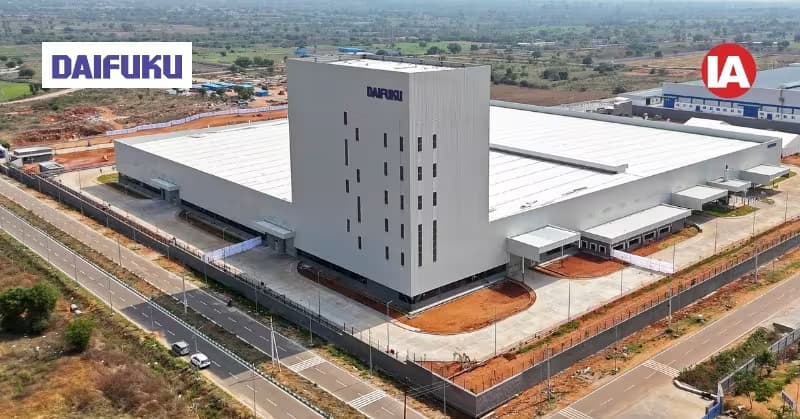
This offers a unique opportunity to create a highly efficient, intelligent, and future-ready manufacturing environment
Designing a fully automated factory from the ground up is a complex, multidisciplinary undertaking that combines industrial engineering, digital technologies, and strategic foresight. Unlike retrofitting automation into existing facilities, a greenfield approach allows organisations to embed automation, data intelligence, and scalability into the very DNA of the operation. The result is a highly efficient, adaptive, and future-ready manufacturing environment. However, achieving this requires careful planning across several critical dimensions.
1. Defining strategic objectives
The starting point is clarity on business goals. A fully automated factory must align with broader organisational priorities such as cost leadership, mass customisation, speed-to-market, or sustainability. Key performance indicators (KPIs) – including throughput, quality levels, energy efficiency, and labour optimisation – should be defined early. These objectives influence technology selection, plant layout, and the degree of automation.
Equally important is identifying the product mix and production volumes. High-volume, standardised production may justify extensive automation, whereas flexible automation may be more suitable for variable or customised output.
2. Digital-first design approach
A modern automated factory is designed digitally before physical construction begins. Technologies such as digital twins enable simulation of production processes, equipment performance, and workflows in a virtual environment. This allows engineers to test different configurations, identify bottlenecks, and optimise layouts without incurring physical costs.
Process mapping is essential at this stage. Every step – from raw material intake to final product dispatch – must be analysed for automation potential. Redundant steps should be eliminated, and processes standardised to maximise efficiency and compatibility with automated systems.
3. Layout and infrastructure planning

Factory layout plays a pivotal role in enabling seamless automation. Linear, modular, or cell-based layouts are often preferred to minimise material movement and facilitate integration with automated systems such as conveyors and autonomous mobile robots (AMRs).
Infrastructure must support high levels of connectivity and power demand. This includes robust electrical systems, industrial-grade networking (often with redundancy), and provisions for edge computing. Environmental considerations such as temperature control, dust management, and vibration isolation are also critical, particularly for precision manufacturing.
4. Selection of automation technologies
The core of a fully automated factory lies in its technology stack. Key components include:
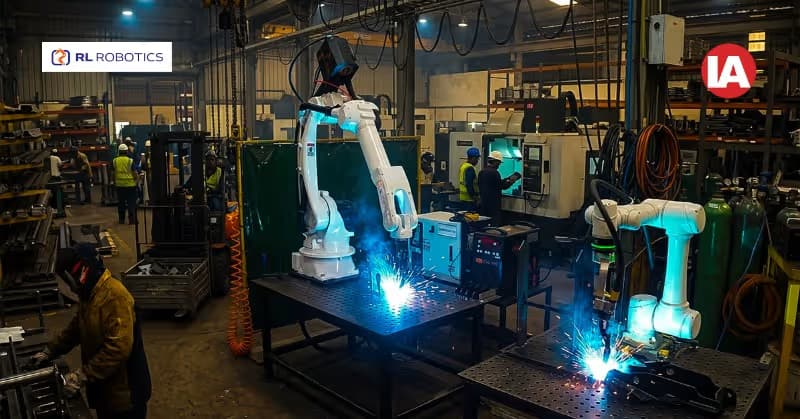
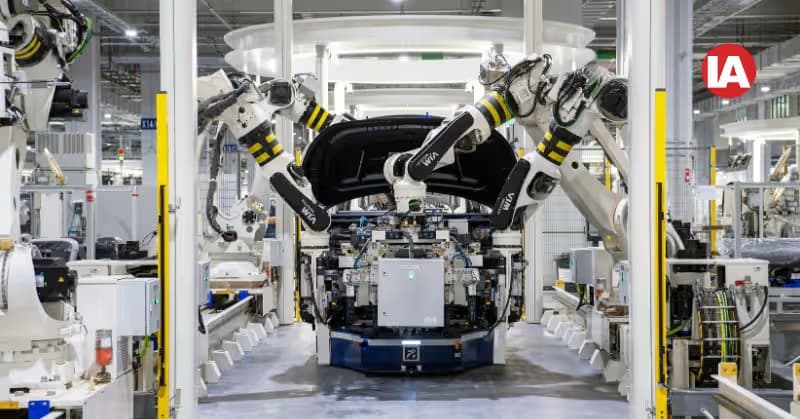
- Industrial robots for assembly, welding, painting, and material handling
- Automated guided vehicles (AGVs) or AMRs for internal logistics
- Programmable logic controllers (PLCs) and distributed control systems (DCS) for process control
- Machine vision systems for inspection and quality assurance, and
- Industrial Internet of Things (IIoT) sensors for real-time monitoring.
The choice of technologies should prioritise interoperability and scalability. Open standards and modular systems enable easier upgrades and integration with future innovations.
5. Data architecture and integration
A fully automated factory is fundamentally data-driven. Designing a robust data architecture is therefore essential. This includes integrating operational technology (OT) systems with information technology (IT) platforms such as Manufacturing Execution Systems (MES) and Enterprise Resource Planning (ERP).
Data flows must be clearly defined – what data is collected, where it is processed (edge vs. cloud), and how it is used. Real-time analytics enable predictive maintenance, process optimisation, and rapid decision-making. Cybersecurity must be embedded at every layer to protect critical infrastructure.
6. Workforce and skill planning
While automation reduces manual intervention, it does not eliminate the need for human expertise. Instead, it shifts the workforce requirement toward higher-skilled roles such as robotics engineers, data analysts, and system integrators.
Training and change management are crucial. Employees must be equipped to operate, monitor, and maintain automated systems. Additionally, fostering a culture that embraces digital transformation helps ensure smooth adoption and long-term success.
7. Safety and compliance
Automation introduces new safety considerations. Collaborative robots (cobots), high-speed machinery, and automated transport systems require advanced safety protocols. These include physical safeguards, sensor-based systems, and real-time monitoring to prevent accidents.
Compliance with industry standards and regulations must be ensured from the design phase. This includes electrical safety, machine safety standards, and environmental regulations. Building compliance into the design avoids costly modifications later.
8. Sustainability integration
Sustainability is increasingly a core requirement rather than an optional feature. Automated factories can be designed to minimise energy consumption, reduce waste, and optimise resource utilisation.
Energy-efficient equipment, smart energy management systems, and renewable energy integration can significantly lower the factory’s carbon footprint. Additionally, circular manufacturing principles – such as recycling and reuse – can be embedded into processes.
9. Phased implementation and scalability
Even in a greenfield project, a phased implementation approach can mitigate risk. Critical systems can be deployed first, followed by incremental integration of additional automation layers. This allows for testing, validation, and refinement.
Scalability should be a key design principle. Modular production lines and flexible systems enable the factory to adapt to changing market demands, new product lines, or technological advancements without major overhauls.
10. Vendor ecosystem and system integration
Building a fully automated factory typically involves multiple technology vendors. Selecting the right partners is crucial for ensuring compatibility, reliability, and long-term support.
System integrators play a vital role in bringing together diverse technologies into a cohesive system. Clear communication, well-defined interfaces, and rigorous testing are essential to avoid integration challenges.
Conclusion
Planning a fully automated factory from scratch offers a unique opportunity to create a highly efficient, intelligent, and future-ready manufacturing environment. However, success depends on a holistic approach that integrates strategic objectives, advanced technologies, robust data architecture, and skilled human oversight.
By adopting a digital-first design philosophy, prioritising interoperability and scalability, and embedding sustainability and safety from the outset, organisations can build factories that not only meet current demands but are also resilient to future disruptions. In an increasingly competitive industrial landscape, such forward-thinking investments can deliver significant long-term advantages in productivity, quality, and operational agility.