Plug-and-play ecosystems can play a critical role in bridging this gap, helping organisations set up shop faster and help India write its industrial success story, says Dr Yogesh Bhatia
India's manufacturing ambitions have never been stronger. With programs like ‘Make in India’, ‘Production Linked Incentive (PLI)’ programs, and rising trends of self-reliance supporting these initiatives, the country is increasingly positioning itself as a preferred destination for global manufacturing investments. With companies across the world searching for diversified manufacturing networks, India stands in a good position to become a top manufacturing destination.
However, attracting investments is only one part of the equation. The bigger challenge lies in ensuring that manufacturers can set up and scale operations quickly and efficiently. This is where plug-and-play industrial infrastructure becomes critical.
Moving beyond land to ready ecosystems
For years, industrial growth has often been slowed by lengthy approval processes, inadequate infrastructure, fragmented industrial zones, and delays in making facilities operational. In today's competitive environment, where speed-to-market is a key differentiator, such delays can significantly impact investment decisions. Manufacturers are no longer looking for just land; they are looking for ready ecosystems that allow them to begin operations with minimal lead time.
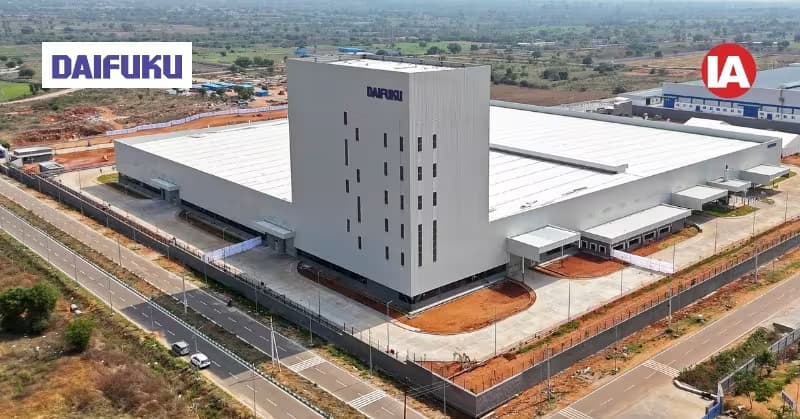
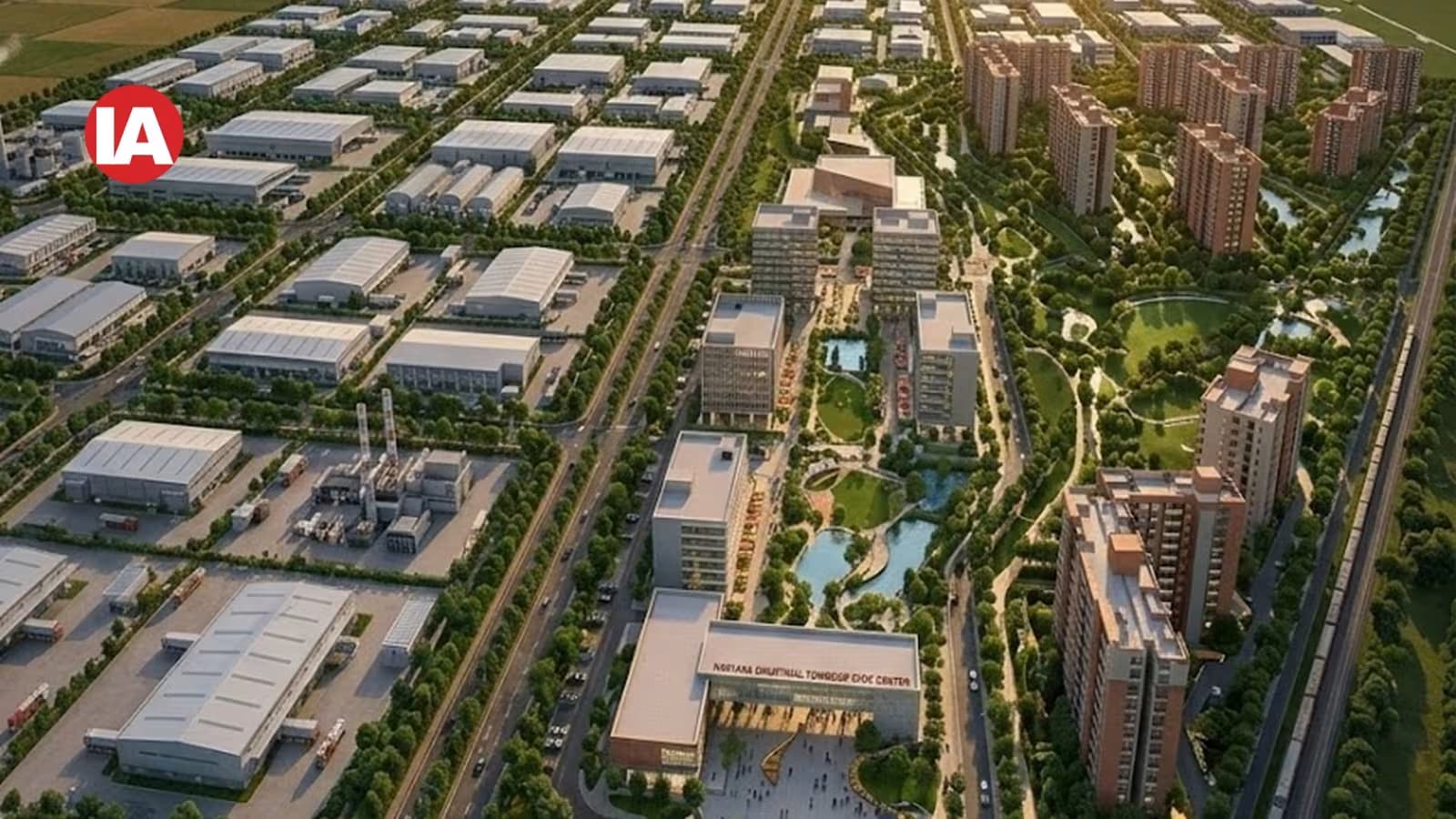
The concept of plug-and-play infrastructure addresses this need by providing pre-developed industrial spaces supported by reliable utilities, connectivity, logistics access, and operational infrastructure. Such facilities reduce the time and complexity involved in setting up manufacturing units, enabling businesses to focus on production, innovation, and growth rather than foundational challenges.
Infrastructure as a competitive advantage

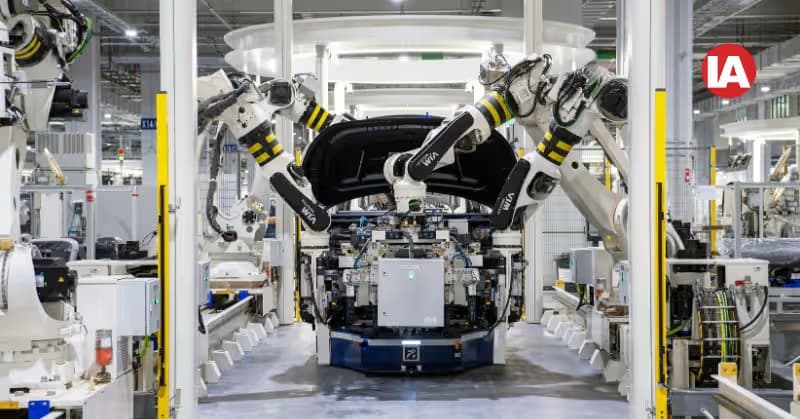
The significance of infrastructure readiness becomes increasingly important in view of the fast evolution of manufacturing around the world. The appearance of automation, smart factories, and digital manufacturing is shifting the paradigm for businesses. Modern companies need industrial environments capable of accommodating new technology, continuity of operations, and scalability.
In such conditions, infrastructure is no longer a supporting function, it becomes an essential element of competitive advantage. Regions that have the potential of offering smooth industrial ecosystems will find themselves at a competitive advantage when trying to attract investments in manufacturing.
The rise of integrated industrial ecosystems
Equally important is the emergence of integrated industrial ecosystems. Across the world, successful manufacturing hubs have been built around clusters that combine production facilities, logistics networks, suppliers, workforce availability, and supporting services. Such ecosystems create efficiencies, reduce operational costs, and strengthen supply chain resilience.
For India, the development of industrial corridors, logistics parks, and integrated manufacturing zones presents an opportunity to replicate these successful models. Well-planned industrial ecosystems can not only accelerate industrial growth but also contribute significantly to regional economic development and employment generation.
Bridging the gap between policy and execution
Government initiatives have laid a strong foundation for manufacturing-led growth, but infrastructure development must keep pace with policy ambitions. Incentives may attract investor interest, but it is infrastructure readiness that ultimately influences investment decisions and determines how quickly projects move from planning to execution.
As global manufacturers evaluate destinations for expansion, the availability of plug-and-play infrastructure could become a key differentiator for India in an increasingly competitive landscape.
Building the foundation for future growth
In the course of progressing on its journey of making India the next manufacturing destination for the world, the dialogue should not be limited to policies and investments alone. The next phase of development will require the creation of industrial infrastructure which is seamless, forward-looking, and equipped to cater to the changing requirements of manufacturing.
Plug-and-play ecosystems can play a critical role in bridging this gap, helping organisations set up shop faster and help India write its industrial success story. They could very well turn out to be the link that India was missing in making its manufacturing dreams come true.
Dr Yogesh Bhatia is the Managing Director of LML Group, an institution focused on building systems that endure across industry, infrastructure, and technology.