Industrial safety graduates in 2025 are stepping into roles that combine traditional vigilance with modern systems thinking, says Damini Rana, Assistant Professor, UPES Online.
India’s industrial growth trajectory is aligned with large-scale national missions such as Make in India, Smart Cities Mission, National Green Hydrogen Mission, and the Net Zero by 2070 pledge. These programs have not only accelerated investments in energy, infrastructure, and logistics but have also redefined occupational roles. Among the most rapidly evolving is the profession of industrial safety, where the demand for skilled graduates has expanded far beyond traditional factory floors. According to the Directorate General, Factory Advice Service and Labour Institutes (DGFASLI), India reported over 4,500 industrial accidents in 2022, with a majority occurring in construction, chemical handling, and unorganised sector activities. This rising risk environment has pushed organisations to rethink their approach to safety, making it a strategic, data-driven, and tech-integrated function.
Expanding sectoral demand
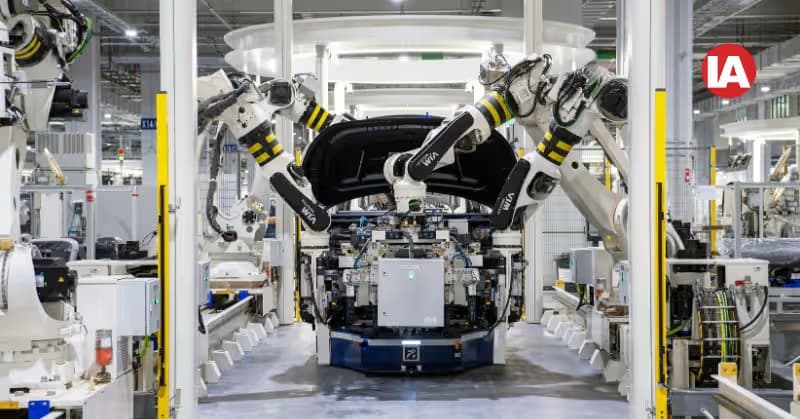
While core sectors like manufacturing continue to be important, renewable energy, logistics, smart warehousing, and urban transport infrastructure are now driving demand. With India aiming for 500 GW of non-fossil fuel capacity by 2030 under the National Energy Plan (CEA, 2023), roles in wind turbine safety, hydrogen system integrity, and solar plant operation are multiplying. A report by the Council on Energy, Environment and Water (CEEW) estimates that India's clean energy sector could generate over 2 million jobs by 2030, including a significant number in site safety and compliance. Simultaneously, the rise of automated logistics and data centers, boosted by the Digital India initiative, has necessitated new safety roles in high-density warehousing and power-hungry server farms. These environments require professionals trained in managing fire suppression systems, HVAC safety, and robotic-human interface risks. In the infrastructure sector, metro projects, tunnels, and elevated corridors present high-risk activities where safety experts are involved from planning to commissioning. With the construction sector accounting for over 22% of workplace deaths in India (ILO, 2023), the focus on preventive safety is sharper than ever.

Shifting skill requirements
With this expansion, the skill profile for safety graduates has changed. Employers are now looking for proficiency in digital platforms such as SAP-EHS, Intelex, and Enablon. A PwC India 2023 industry survey noted that 72% of medium and large industries have either adopted or are adopting centralised digital safety tools. Additionally, knowledge of Bowtie risk modeling, Failure Mode and Effects Analysis (FMEA), and predictive analytics is valued for pre-incident planning. According to a McKinsey Global Institute study (2022), integrating AI-based safety prediction tools can reduce incidents by up to 30% in high-risk sectors. VR and AR-based safety training is also gaining momentum. The British Standards Institution (BSI PAS 45005) has encouraged immersive learning platforms, particularly during health crises. Companies report a 60–70% improvement in hazard recognition when using VR for confined space or fire safety training.
Beyond manufacturing: New career pathways
Today’s safety graduates are entering roles in urban resilience planning, climate risk audits, and sustainability reporting. ESG frameworks such as Business Responsibility and Sustainability Reporting (BRSR) and Global Reporting Initiative (GRI) mandate disclosure of safety indicators, making graduates vital to corporate non-financial reporting. Startups are also offering roles in IoT-based safety gear design, real-time risk alert systems, and data visualisation dashboards, reflecting the shift from enforcement to innovation.
Hiring trends and compensation
According to the IndiaSkills Report 2024, safety-related job postings increased by 48% between 2022 and 2024. Entry-level safety engineers with certifications such as NEBOSH IGC and ISO 45001 Auditor earn between ₹6.5-₹9 LPA, depending on sector and location. Over 65% of employers now include case-based assessments or digital tool evaluations in their recruitment process. Diversity is improving as well, as women now represent 30–35% of new safety hires in ESG-linked and infrastructure projects, according to National Skill Development Corporation (NSDC, 2023) reports.
Thus, Industrial safety graduates in 2025 are stepping into roles that combine traditional vigilance with modern systems thinking. With India’s development resting on pillars of sustainable and safe growth, these professionals are essential—not just for compliance but for enabling secure, tech-integrated, and future-ready operations.
Assistant Professor Damini Rana is a distinguished specialist in Health, Safety, and Environment. Her influential research is dedicated to the study of health hazards and environmental concerns, with a focus on pivotal issues like pollution, safety protocols, impact assessment, and risk management.
Prior to joining UPES, Assistant Professor Damini Rana served as a Researcher at the Uttarakhand Pollution Control Board, where she oversaw research activities, managed laboratory systems, conducted industrial inspections, and spearheaded related awareness initiatives. She has also contributed her expertise to organisations such as the National Institute of Disaster Management (NIDM) in Delhi, Uttaranchal P.G. College of Bio-Medical Sciences & Hospital in Dehradun and Forest Research Institute (FRI), Dehradun.