As industries face mounting pressure to balance productivity with sustainability, energy efficiency in motion control systems has become a strategic priority.
In modern industrial environments, the importance of energy efficiency has grown significantly, driven by rising energy costs, sustainability goals, and regulatory pressures. Motion control systems, which govern the movement of machines and processes through precise control of motors, drives, and actuators, play a crucial role in achieving higher efficiency levels. As industries ranging from automotive and electronics to packaging and robotics become more automated, energy-efficient motion control systems are proving to be essential not only for reducing operating costs but also for advancing environmental objectives.
The role of motion control in energy use
Motion control systems are the backbone of industrial automation. They determine how mechanical systems accelerate, decelerate, and position themselves with accuracy. Because electric motors consume nearly 70% of industrial electricity worldwide, the way these motors are controlled directly influences energy consumption. Inefficient control leads to energy wastage through unnecessary heat generation, poor speed regulation, and excessive mechanical wear. By integrating energy-efficient technologies, industries can optimise power usage while maintaining productivity and performance.
Technologies driving energy efficiency
Several innovations in motion control are enhancing energy efficiency:
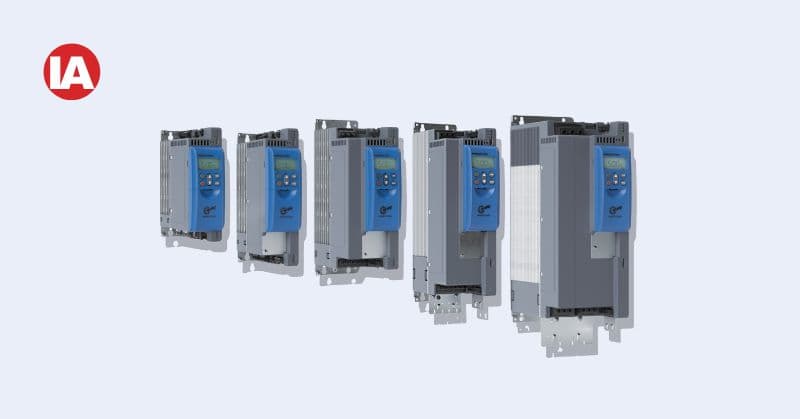
Variable frequency drives (VFDs): By adjusting motor speed to match load requirements, VFDs eliminate the energy losses associated with running motors at full speed when unnecessary. This approach can deliver energy savings of 20-50% depending on the application.
Servo Systems: Unlike traditional constant-speed motors, servo motors provide precise torque and speed control, using energy only when needed. Their feedback mechanisms ensure that no excess energy is wasted during positioning or idle phases.
Regenerative drives: These systems recover energy that would otherwise be lost during braking or deceleration and feed it back into the power grid or reuse it within the system. For applications involving frequent start-stop cycles, such as elevators or cranes, regenerative drives significantly reduce energy waste.
Advanced control algorithms: Incorporating artificial intelligence (AI) and predictive control allows motion systems to anticipate load changes and optimise motor performance dynamically, reducing unnecessary energy draw.
High-efficiency motors: Permanent magnet synchronous motors (PMSMs) and brushless DC motors provide higher efficiency compared to conventional induction motors, often achieving energy savings of 5-10%.
System-level efficiency
While individual components contribute to savings, system-level design is equally important. Proper sizing of motors, drives, and actuators prevents over-dimensioning, a common source of inefficiency. Integrating sensors and digital twins helps monitor real-time energy consumption, enabling predictive maintenance and reducing downtime. Additionally, efficient mechanical design, such as reducing friction and optimising gear ratios, complements electrical efficiency efforts.
Real-world industry examples
Automotive assembly lines: Servo-driven robotic arms reduce idle energy use while ensuring precision welding and painting, improving both quality and efficiency.
Semiconductor manufacturing: Cleanroom equipment uses regenerative drives to recover braking energy, helping to cut electricity consumption in energy-intensive fabs.
Food & beverage packaging: VFDs control conveyor speeds based on load, minimising energy waste during low production demand.
Logistics and warehousing: Automated storage and retrieval systems rely on energy-efficient motors and regenerative braking to optimise operations while lowering costs.
Benefits beyond energy savings
Energy-efficient motion control systems not only reduce electricity bills but also extend equipment lifespan by minimising thermal stress and mechanical wear. They enhance productivity by ensuring smoother operations, reduce maintenance costs, and contribute to sustainability by lowering carbon footprints. For companies aiming to comply with global energy efficiency standards and achieve ESG targets, motion control upgrades provide a tangible pathway.
Conclusion
As industries face mounting pressure to balance productivity with sustainability, energy efficiency in motion control systems has become a strategic priority. Through advanced technologies like VFDs, regenerative drives, and intelligent control algorithms, businesses can significantly reduce energy consumption without compromising performance. Ultimately, investing in energy-efficient motion control is not just an operational improvement – it is a competitive advantage in a world striving for greener and more sustainable industrial practices.