Logistics automation is expected to remain a key driver of supply chain transformation in the years ahead, says Rosy Behera.
With rise in consumer expectations and expansion in supply chains, logistics automation has emerged as a transformative force in supply chain management. Nowadays, modern businesses streamline operations and boost efficiency by integrating advanced technologies such as robotics, artificial intelligence, and data analytics. From automated sorting systems in warehouses to AI-powered inventory tools that accurately forecast stock requirements, modern technologies help minimise errors and optimise key logistics functions. These include warehousing, inventory management, and transportation. This digital transformation enhances operational responsiveness and strengthens a company's ability to stay competitive in a fast-paced industry.
An introduction to logistics automation
Automation in logistics involves the integration of advanced technologies and systems to optimise supply chain processes. Businesses enhance efficiency, reduce costs, and minimise reliance on manual labor by automating key functions such as inventory management, order fulfillment, and transportation. This lowers the risk of human error and provides real-time visibility of operations, resulting in improved accuracy and customer service.
With increase in sophistication of supply chains, especially with the rise of e-commerce, logistics automation has become essential. It helps address key challenges such as labor shortages and rise in operational costs, while enabling faster, more agile responses to market changes. Automated systems streamline order tracking, inventory control, and transportation coordination, allowing businesses to optimise resource allocation and achieve greater operational resilience. In this way, logistics automation empowers organisations with a competitive edge in a fast-evolving market landscape. The logistics automation industry has experienced in the past few years, due to the rise of online delivery platforms. According to Allied Market Research, the sector is projected to rise at a CAGR of 11.9% from 2021 to 2030.
Tech revolution reshaping modern warehousing
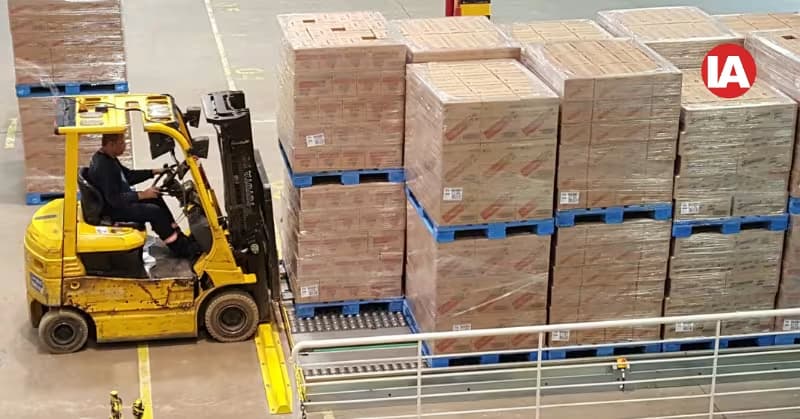
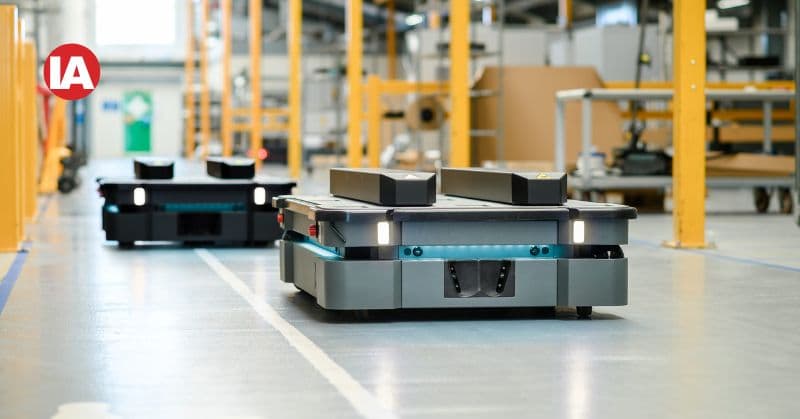
The latest components of logistics automation are revolutionising supply chain operations by integrating cutting-edge technologies for greater efficiency and accuracy. At the forefront are robotics, including autonomous mobile robots and automated guided vehicles, which have become essential in modern warehouses. These machines handle repetitive tasks such as picking, packing, and sorting, significantly reducing labour costs and errors while boosting order fulfillment speed. Advanced robotics systems now utilise AI and machine learning to optimise routes and seamlessly adapt to change in warehouse conditions, capabilities that are especially valuable in high-demand sectors such as e-commerce. Complementing these are automated storage and retrieval systems (AS/RS), which use robotic shuttles and cranes to maximise space utilisation and ensure rapid, efficient retrieval of goods. These systems are tightly integrated with warehouse management software, enabling real-time inventory tracking and dynamic order processing.
In addition to robotics, logistics automation relies heavily on IoT devices and sensors, such as RFID tags and environmental monitors, which provide real-time tracking of goods and monitor shipment conditions. These tools are crucial for maintaining accurate inventory levels and minimising losses due to spoilage or misplacement. AI and ML further enhance logistics by optimising routes, predicting demand, and supporting dynamic order prioritisation, while AI-powered chatbots and virtual assistants improve customer service. Blockchain technology is increasingly used for secure, transparent record-keeping and automating transactions through smart contracts. Meanwhile, Robotic Process Automation (RPA) streamlines administrative tasks such as order processing and invoicing, and automated conveyor and sorting systems accelerate the movement and categorisation of goods within warehouses. Collectively, these components are reshaping logistics, making supply chains smarter, faster, and more resilient.
E-commerce and technologies driving the growth of logistics automation
The rise in proliferation of e-commerce in recent years has significantly transformed supply chains and logistics management. To meet the increase in demand for online delivery, click-and-collect services, and curbside pickups, logistics providers are adapting quickly by embracing advanced technologies. These days, many leading companies have started investing in warehouse robotics, sorting systems, and warehouse management software. Collaborative robots are streamlining repetitive tasks, while large-scale conveyor systems and automated storage and retrieval systems are enhancing productivity in modern warehouses. In addition, the integration of AI, ML, and data analytics is becoming more prevalent, enabling more efficient and informed decision-making.
Key factors driving market growth include improved operational efficiency, enhanced workforce safety, surge in penetration of e-commerce, and the widespread adoption of Industry 4.0 & robotics technologies. However, the high upfront costs of automation solutions remain a barrier to adoption. Still, the increase in use of autonomous vehicles and drones, along with rise in demand for warehouse automation in emerging markets, presents significant opportunities for future growth.
Comau and Automha joined hands to strengthen its position in logistics automation
In May 2025, Italian robotics manufacturer Comau signed a binding agreement to acquire Automha, a fellow Italian company specialising in warehousing and intralogistics automation, currently owned by Trasma. The acquisition showcases Comau’s strategic move toward rapidly growing logistics sector while reinforcing its Italian industrial roots. This step is expected to drive innovation, expand Comau’s technology portfolio, and position it as a leader in industrial automation. Pietro Gorlier, the CEO of Comau, emphasised that integrating with Automha has accelerated growth and innovation. It enables Comau to tap into new opportunities across global industrial sectors while improving its capabilities in warehousing and intralogistics solutions.
Honeywell teamed up with Teradyne Robotics to streamline material handling
In April 2025, Honeywell partnered with Teradyne Robotics to deliver advanced automation solutions for logistics, warehousing, and fast-moving consumer goods (FMCG) companies across the Americas and Europe. This collaboration combines Teradyne Robotics’ cutting-edge autonomous mobile robots and collaborative robots with Honeywell’s robust software, cybersecurity expertise, and proven implementation capabilities. Ujjwal Kumar, Group President of Teradyne Robotics, highlighted that the partnership is expected to offer businesses comprehensive automation solutionsfrom system design to deployment and maintenance. Through this acquisition, the companies aim to address current industry challenges by streamlining labour-intensive material handling tasks, enhancing operational efficiency, and driving innovation across supply chain and warehousing operations.
Final words
Logistics automation is revolutionising the supply chain landscape by integrating advanced technologies that enhance efficiency, accuracy, and agility. With rise in proliferation of e-commerce and surge in consumer expectations, automation has become essential for overcoming operational challenges and staying competitive. From intelligent robotics to AI-driven analytics and IoT-enabled visibility, these innovations empower businesses to streamline processes, reduce costs, and improve customer satisfaction. With ongoing advancements and increasing adoption, logistics automation is expected to remain a key driver of supply chain transformation in the years ahead.
Although belonging to an engineering stream, Rosy Behera had a knack for writing throughout her student life. Her keen interest in creative compositions drove her to take up content writing professionally after graduation. For the last few years, she has been delivering impactful content, engaging and delighting readers, along with grabbing their attention.