Retrofitting Automation in Brownfield Plants: A Strategic Necessity
Instead of relying on spare parts, an old conveyor in Ahmedabad has been transformed with advanced sensors, showcasing how automation retrofits are revolutionizing brownfield factories across India.
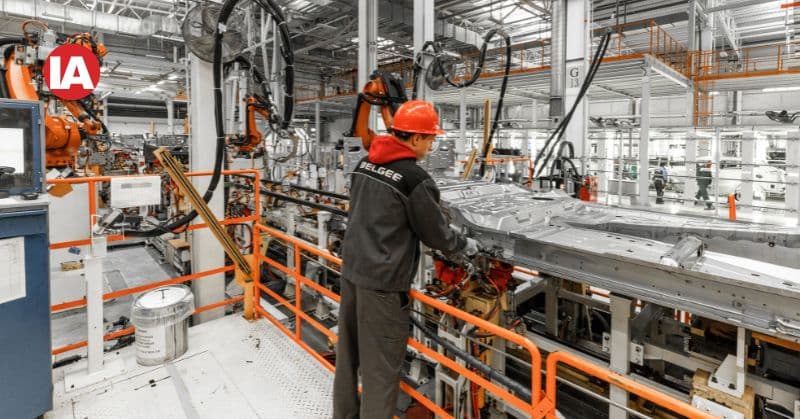
Instead of using spare parts, an old conveyor in Ahmedabad is now powered by sophisticated sensors.
Automation retrofits are changing the rules of modernisation at brownfield factories in India without requiring the closure of any shifts. The industrial sector is under increasing pressure to upgrade old assets in a time of rapidly changing technology and fiercely competitive global marketplaces. Even though they represent significant capital expenditures and operational value, many manufacturers continue to run legacy facilities with antiquated machinery and little digital infrastructure. A rising number of businesses are using retrofitting to tap latent potential instead of pursuing expensive greenfield projects. By extending the life of current infrastructure and facilitating the scalable integration of smart technologies, retrofitting automation into brownfield environments paves the way for flexible, environmentally friendly, and human-centered industrial systems. This paradigm shift acknowledges that purposeful modernisation of the past is a necessary step on the path to Industry 5.0. Refitting automation into existing brownfield operations has become a strategic necessity rather than a convenience in a time when companies are quickly adopting digital transformation. As manufacturers deal with increased expectations for sustainability, energy efficiency, and productivity, retrofitting provides an affordable solution to update legacy infrastructure without having to pay the exorbitant prices associated with new construction. For small and medium-sized businesses (SMEs), which frequently have limited resources, retrofitting offers a practical way to close the digital divide and make the shift to Industry 4.0 and beyond.
From Industry 4.0 to Industry 5.0: The shift toward human-centric automation
Industry 5.0 emphasizes human-machine cooperation, whereas Industry 4.0 laid the foundation for networked, data-driven industries. As a result of this progression, retrofitting systems must do more than merely automate and monitor; they must also promote inclusive growth and improve human capacities. This shift is best illustrated by concepts like Operator 4.0 and Operator 5.0, in which employees engage with intelligent systems through voice-activated controls, wearable technology, and user-friendly interfaces. Historically, a lack of departmental integration and long-term strategic alignment has plagued the execution of numerous digital transformation projects in brownfield factories. For retrofitting to have a genuine organisational impact, it must be viewed as a cross-functional undertaking combining executive leadership, operations, IT, and automation.
Technical foundations: Enhancing legacy systems with intelligence
Integrating intelligence into already-existing equipment and systems is known as retrofitting. Many crucial procedures, including calibration, inspection, and control, still mostly rely on manual labor in legacy plants. Facilities can improve process dependability, remove bottlenecks, and decrease variability by combining digital sensors and automated actuators. Real-time monitoring and adjustments are made possible by smart actuators with feedback capabilities, which can either supplement or replace conventional mechanical components. Scalable improvements are made possible by the integration of digitally enabled, modular units into production lines without requiring extensive redesign. To facilitate deployment and enable distributed sensing, these modules frequently integrate wireless communication protocols such as LPWAN, Zigbee, and Wi-Fi 6. Cooperative decision-making between human operators and machines is another benefit of industrial wireless networks. Modern industrial automation's decentralised structure maintains centralised oversight while improving operational agility.
Role of PLCs and SCADA in brownfield automation
PLCs are still essential to automation, especially in retrofitting brownfields. Despite the robustness of many current PLCs, real-time analytics and integration with cloud-based IIoT systems may be hampered by their processing power and networking restrictions. A smooth upgrade route is provided by contemporary PLCs with improved communication protocols and edge computing capabilities. Similar to this, SCADA systems make it possible for centralised monitoring, real-time alerts, and historical data logging – all of which are critical for quality control and predictive maintenance. By improving visibility and responsiveness and lowering unscheduled downtimes and process variability, SCADA platforms can be upgraded or integrated into current systems. Even slight improvements in process control result in significant increases in productivity and safety in continuous process sectors including food processing, water treatment, and oil refining. In addition to increasing throughput, automated control via intelligent software platforms and retrofitting actuators reduces energy waste and guarantees regulatory compliance.

– it is a need. Photo by usertmk on Freepik
Strategic and financial advantages of retrofitting
Retrofitting has many strategic advantages. The first is the efficient use of already-existing assets, such as buildings, machinery, and utilities, which results in large capital expenditure savings. With this strategy, businesses may more wisely spend their money on high-impact improvements like analytics platforms, data collecting systems, and smart controls. Another significant benefit is operational continuity. Upgrades can be made without stopping production by using retrofitting in phased rollouts. For high-output sectors where downtime results in lost income, this is essential. Retrofitting in a known operational setting also lowers implementation risks and streamlines training. Brownfield retrofits reduce material waste and emissions associated with construction from a sustainability standpoint. Operational efficiency is further increased by maintaining current location advantages, such as closeness to labour markets, logistical hubs, and suppliers.
Addressing brownfield challenges: Integration and infrastructure
Brownfield automation has benefits, but it also has drawbacks. Hardware retrofits, middleware development, and sophisticated interfaces are frequently needed to integrate new systems with antiquated infrastructure. Longer deployment times and higher expenses may result from outdated equipment's incompatibility with contemporary protocols. In older buildings, space limitations present additional challenges. In small, inefficient layouts, retrofitting robotics, automated conveyors, or smart storage systems could need process redesigns or structural changes. Unexpected technical debts, such old wiring or unrecorded system modifications, and unscheduled interruptions during installation can make projects much more difficult. For deployment to be effective, a thorough audit of the digital and physical infrastructure is required.
Realising long-term value: Governance and strategic planning
Retrofitting is a strategic shift rather than just a technical endeavour. Effective governance models that match project objectives with overarching corporate goals are essential for success. To avoid fragmented implementations and guarantee RoI, cross-functional cooperation between the automation, IT, and plant management teams is essential. Human integration should be given equal weight with technological advancements in structured frameworks. For digital twins, predictive analytics, and condition monitoring to be as effective as possible, they must be used in conjunction with operator training, user-friendly interfaces, and safety improvements. Additionally, sustainability KPIs must be incorporated into brownfield retrofitting from the beginning. In order to comply with ESG obligations, retrofitting targets should incorporate metrics like energy consumption, carbon footprint, and resource efficiency.
Conclusion
Retrofitting automation in brownfield factories is not an option – it is a need in a dynamic global environment characterised by quick technical advancements and changing market demands. Manufacturers may satisfy sustainability goals, preserve operational resilience, and accelerate time-to-value by updating their current assets with intelligent, scalable solutions. Retrofitting turns outdated infrastructure into production settings that are ready for the future while utilising current investments and according to Industry 5.0 guidelines. Strategic retrofitting stands out as a practical, high-impact solution that connects the past and future of industrial automation as companies aim for agility, innovation, and human-centered operations. In the end, inclusive execution and visionary leadership are just as important to the success of retrofitting projects as technology advancements. It is imperative for organisations to go beyond discrete enhancements and embrace a comprehensive strategy that aligns individuals, procedures, and systems. By doing this, retrofitting transforms into a competitive differentiator rather than just a transition plan. By seizing this chance, progressive manufacturers are establishing the groundwork for sustained innovation, resilience, and industrial excellence rather than just maintaining current capabilities.
What is stopping your plant from taking the next logical step if Siemens can use AI-driven control solutions to modernise Pune's legacy bottling lines without pausing production?
References
1. https://www.autostoresystem.com/insights/retrofitting-brownfield-sites-with-warehousing-automation-a-cost-effective-solution
2. https://www.weforum.org/stories/2025/04/retrofitting-buildings-resilience-sustainability/
3. https://ieeexplore.ieee.org/stamp/stamp.jsp?arnumber=9794677
4. https://www.researchgate.net/publication/340458168_Smart_Manufacturing_Retrofit_for_Brownfield_Systems
5. https://www.mdpi.com/2071-1050/13/2/646
Author

Industrial Automation Market Outlook & Strategic Insights
The industrial automation market is entering a phase of accelerated transformation, where resilience, intelligence, and adaptability are becoming core operational priorities. As highlighted in this research report, the shift toward AI-driven automation, digital twins, and connected factory ecosystems is redefining how industries approach manufacturing and process optimization.
Organizations are no longer investing in automation solely for efficiency, but to build scalable, secure, and future-ready industrial systems capable of handling global disruptions and evolving market demands.
Key Technologies Driving Automation Growth
- Artificial Intelligence (AI) and Machine Learning for predictive operations
- Industrial IoT (IIoT) for real-time monitoring and control
- Digital Twins for simulation and optimization
- Robotics and Autonomous Systems for flexible manufacturing
- Cybersecurity frameworks for protecting industrial environments
Real-World Industry Applications
Industries across the globe are leveraging automation technologies to enhance productivity and operational resilience:
- Automotive manufacturing with robotics and assembly automation
- Pharmaceutical production with process automation systems
- Energy and infrastructure with predictive maintenance solutions
- FMCG and logistics with smart supply chain automation
👉 Explore companies implementing these solutions: Industrial Automation Companies Directory
Strategic Importance for Businesses
For decision-makers, industrial automation is no longer optional. It plays a critical role in reducing risks, improving efficiency, enhancing supply chain resilience, and enabling data-driven decision-making across industries.
Explore the Industrial Automation Ecosystem
- Industrial Automation Companies
- Automation Products & Solutions
- Latest Industrial Automation News
- Industrial Automation Magazine
- Women in Industrial Automation
Future of Industrial Automation
The future of industrial automation lies in autonomous systems powered by AI, real-time data, and intelligent control frameworks. Businesses that adopt these technologies early will gain a significant competitive advantage in a rapidly evolving industrial landscape.
Latest Updates
Signode launches BXT Go battery-powered hand tool for plastic strapping
19/06/2026ABB launches high-efficiency power conversion solutions for solar and storage
19/06/2026India to get its first public Drone Park in Odisha, and it's not just for engineers
19/06/2026IERA Award 2026 goes to Flying Warehouse Robots by Verity from Switzerland
18/06/2026Top Articles
Redefining Water Efficiency with Intelligent Control and Automation
Edge Computing: A Game Changer for MSMEs
Edge Computing: Redefining Control, Latency, and Intelligence in Industrial Automation
China Continues to Dominate Cobots Market
Hikmicro Handheld Thermal Cameras for Electrical Safety
Digital Magazine


The Minds of Manufacturing
Our interviews offer a direct window into the boardrooms of the world's leading automation providers. We focus on strategic discussions that help our readers understand not just the 'what', but the 'why' behind today's industrial technology developments.
Executive Perspective on Industrial Transformation
Our Interviews section features the most influential voices in the industrial sector. We sit down with CTOs, Engineering Directors, and Industrial Strategists to discuss the practical aspects of implementing Industry 4.0 standards and the impact of AI on manufacturing.
These conversations go beyond technical specifications, exploring the vision and strategy required to lead a factory in the modern age. Complement these insights by exploring our Cover Stories for implementation success, find local vendors in the Supplier Directory, or stay up to date with our Latest News feed. Exclusive market forecasts are also available through our Research Reports.