Benedicta Chettiar explores the key design trends shaping the future of industrial valves.
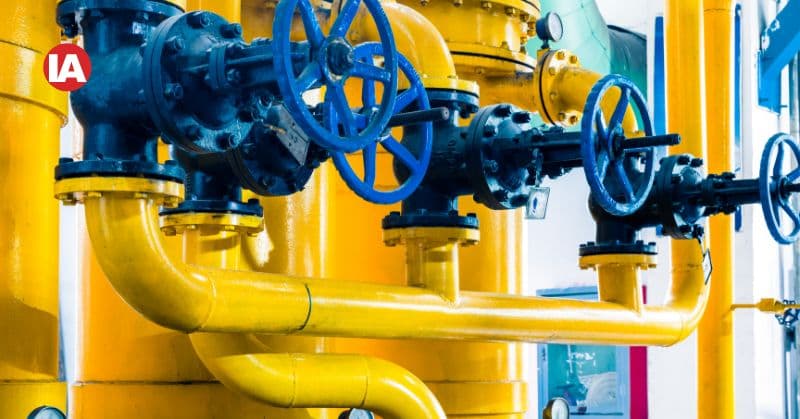
Valves are critical components in the process industry, ensuring the controlled flow of liquids, gases, and slurries across various applications such as oil and gas, chemicals, power generation, water treatment, and pharmaceuticals. As industries evolve, the design and functionality of valves are also advancing to meet modern challenges, including sustainability, automation, and improved efficiency.
1. Smart and automated valves
The integration of smart technology and automation is revolutionising valve design. Industrial Internet of Things (IIoT) capabilities are being embedded into valves, allowing for real-time monitoring, predictive maintenance, and enhanced process control. These smart valves are equipped with sensors that collect data on parameters like pressure, temperature, and flow rate, enabling remote diagnostics and reducing downtime.
Automated control valves are increasingly replacing manually operated ones, offering precision, consistency, and reliability in critical processes. Advances in actuator technology, such as electric and pneumatic actuators with AI-driven control algorithms, are further enhancing automation, reducing human intervention, and improving operational safety.
2. Material innovations for durability and sustainability
Material selection plays a crucial role in valve performance, particularly in industries handling corrosive or high-temperature fluids. Traditional materials like stainless steel and cast iron are being supplemented with advanced alloys and composite materials, such as super duplex stainless steel, titanium, and ceramics, which offer superior resistance to extreme conditions. Additionally, sustainability concerns are driving the adoption of eco-friendly materials and coatings that extend valve lifespan while minimising environmental impact. The use of lead-free alloys and non-toxic coatings in water and food processing industries is an emerging trend to meet stringent regulatory standards.
3. Reduced fugitive emissions and compliance with environmental regulations
With tightening environmental regulations, valve manufacturers are focusing on reducing fugitive emissions. Enhanced sealing technologies, such as low-emission packing systems and bellows seals, are being developed to minimise leaks and ensure compliance with global standards like ISO 15848 and API 624. Zero-leakage valve designs, including triple-offset butterfly valves and advanced metal-seated ball valves, are gaining popularity in industries where emission control is paramount. These designs not only enhance safety but also contribute to sustainability by preventing the escape of hazardous gases.
4. Modular and customisable valve solutions
As process industries demand more flexibility, modular valve designs are becoming increasingly prevalent. Modular valves allow for easy adaptation to different applications by enabling interchangeable components, reducing maintenance complexity, and minimising downtime. This trend is particularly significant in industries that require frequent process changes, such as pharmaceuticals and specialty chemicals. Customisation is another major trend, with manufacturers offering tailored solutions that cater to specific operational requirements. From special coatings to customised flow control mechanisms, valves are being designed to optimise performance based on unique industry needs.
5. High-performance control valves
Precision and efficiency in flow control are more critical than ever, leading to advancements in control valve technology. High-performance control valves with enhanced flow characteristics, such as rotary globe and segment ball valves, are improving process accuracy and reducing energy consumption. Hybrid valve technologies that combine the benefits of different valve types, such as the reliability of a ball valve with the control precision of a globe valve, are also gaining traction. These designs offer improved modulation capabilities, greater pressure control, and longer service life.
6. Additive manufacturing and advanced production techniques
The adoption of additive manufacturing (3D printing) is streamlining valve production, enabling rapid prototyping, cost-effective customisation, and lightweight designs. 3D-printed valve components allow for complex geometries that improve flow characteristics and reduce material waste.
Additionally, advanced machining and casting techniques are enhancing the precision and durability of valves, ensuring higher performance and longer service life, particularly in high-pressure and high-temperature applications.
Conclusion
The evolving landscape of the process industry is driving continuous innovation in valve design. The shift toward smart, automated, and environmentally compliant valves is reshaping the industry, enhancing safety, efficiency, and sustainability. Material advancements, modularity, and high-performance control solutions are further contributing to the transformation of valve technology.
As manufacturers continue to invest in R&D and leverage cutting-edge technologies, the future of industrial valves promises even greater reliability, adaptability, and intelligence, meeting the ever-changing demands of the process industry.
Visit for more: https://www.industrialautomationindia.in/
Benedicta Chettiar is Director, IED Communications and Manager, Strategic Developments, Industrial Automation. Besides these roles, Beni, as she is known, is also actively managing the affairs of Jyothi Process, a state-of-the-art printing press.