Why Autonomous Production is Redefining Human Value on the Shop Floor
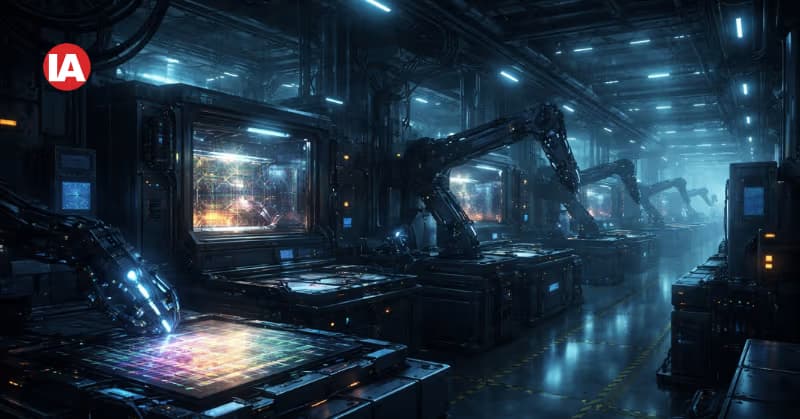
There is a strange, almost surreal moment inside a lights-out factory. The machines are humming, production is perfectly on schedule, and quality checks are happening in real time. Yet, the shop floor is quiet. There is no shouting across lines, no frantic rush between shifts, and—most importantly—no fatigue.
When the lights go out, the factory doesn't sleep; it "grows up." For India, this moment marks a significant turning point in global competitiveness. According to Krisha Chettiar, this evolution doesn't erase humans—it increases the value of human decision-making.
The Evolution of Indian Manufacturing: From Assistance to Autonomy
For years, the industry assumed that lights-out manufacturing was a luxury meant for Japan, Germany, or China—not for India, with its vast labor depth. Automation here was seen as "assistance," not autonomy.
That assumption is breaking down. Global customers are no longer asking how many people are on your floor; they are asking about consistency, traceability, and what happens at 2 a.m. when something goes wrong. These questions require systems, not just hands.
Case Study: Polymatech Technologies in the Oragadam-Kancheepuram Belt
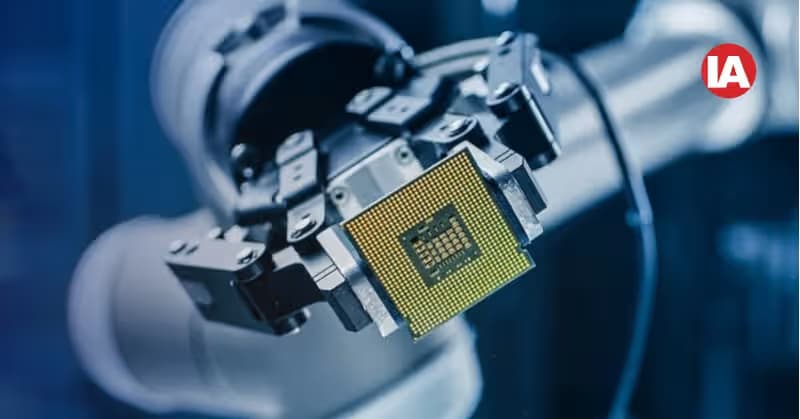
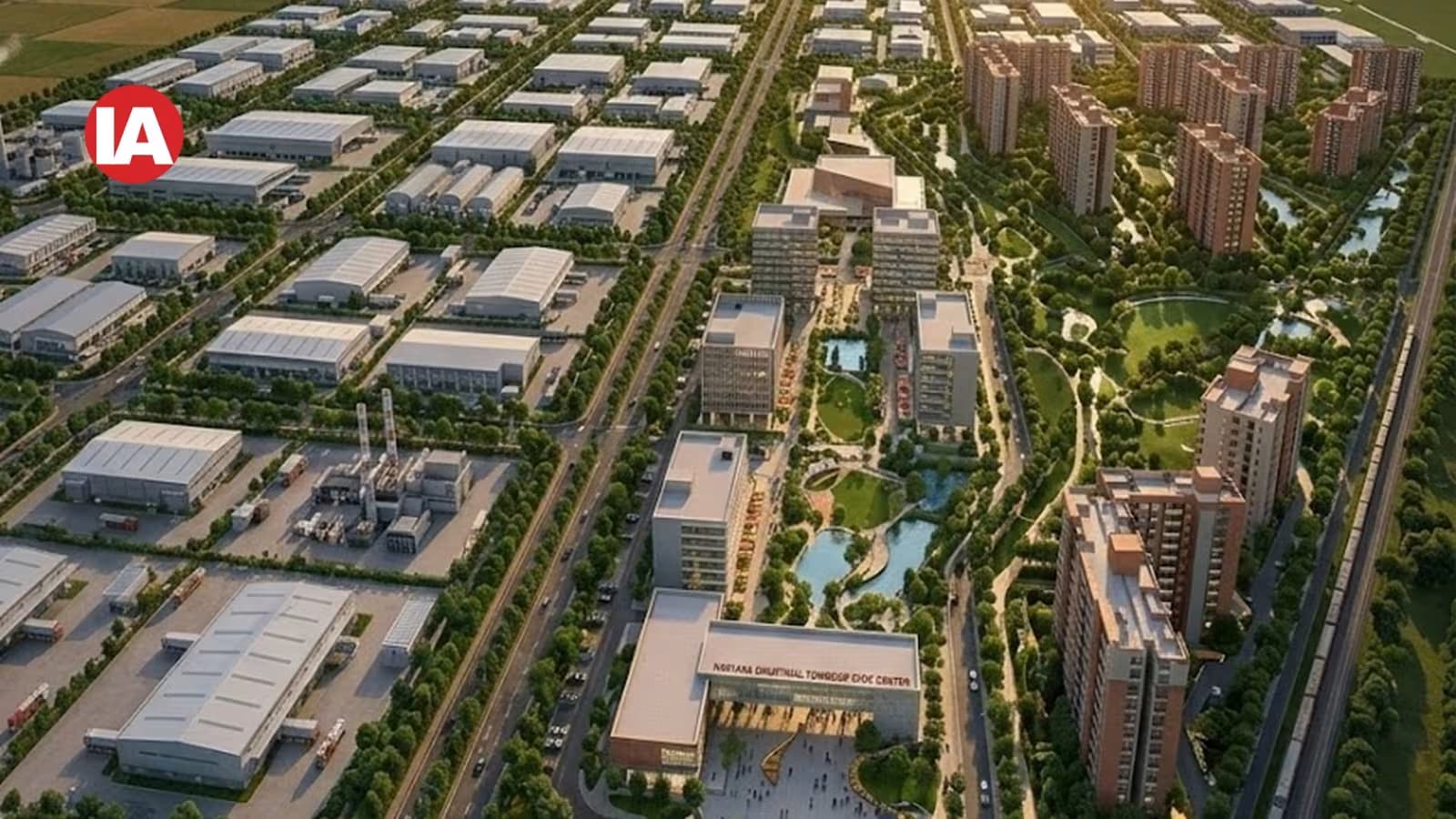
In Tamil Nadu's Oragadam-Kancheepuram industrial belt, Polymatech Technologies is proving that autonomous production is a reality in India. Inside their facility, robots assemble delicate electronic components within highly controlled environments.
Engineers don't hover over machines; they monitor the data. The factory empties at night not because the work is finished, but because people are no longer required to be physically present. This isn't a lab experiment—it is high-output production.

The Invisible Tech: Why Integration Beats Hardware
A "dark" factory runs on confidence, built layer by layer through advanced industrial platforms. While the hardware is impressive, the real achievement is integration. Leaders in the space utilize tools from:
FANUC: For precision robotics that don't drift.
Cognex: For vision systems that never tire.
AVEVA: For software that remembers every data point.
The shift from reaction to design is the real revolution. Instead of fixing a recurring issue, engineers now use data to design the problem out of the system entirely.
The Human Factor: Reskilling for a "Dark" Factory
The most misunderstood aspect of a lights-out factory is the fate of the workforce. These systems don't remove people; they remove repetition. The future factory needs fewer operators but significantly more "thinkers," including:
Automation Engineers
Reliability Specialists
Data Interpreters
Cybersecurity Guardians
The real risk is not job loss, but skill stagnation. When a sensor misreads or an AI flags a false alarm, the factory needs judgment—not more code.
Debunking 5 Common Myths About Automation
Myth 1: "India has cheap labor, so automation doesn’t make sense."
Reality: Cheap labor cannot fix industrial inconsistency.
Myth 2: "Lights-out means job losses."
Reality: It means role evolution from manual labor to system supervision.
Myth 3: "Only global giants can do this."
Reality: Most start small—one unmanned shift at a time.
Myth 4: "It’s all about robots."
Reality: System integration beats standalone hardware every time.
Myth 5: "Humans are no longer needed."
Reality: Responsibility doesn't disappear; it concentrates into higher-stakes decision-making.
Conclusion: Looking Ahead to India 2030
By 2030, India won't judge factories by how "busy" they look, but by how predictably they run. The factories that shape India's place in global manufacturing will be those where the lights go out—not because people are missing, but because the systems are ready. When that happens, India won't just be catching up; it will be choosing how to lead.
FAQ.
What is "lights-out" manufacturing?
It refers to a manufacturing methodology where factories operate fully autonomously without human intervention on-site, often allowing the lights to be turned off to save energy.
Where is the Oragadam-Kancheepuram industrial belt?
Located in Tamil Nadu, India, it is a major industrial hub known for automotive, electronics, and precision manufacturing, housing companies like Polymatech Technologies.
Does lights-out manufacturing require specific software?
Yes, it relies on integrated industrial platforms from companies like Siemens, ABB, and AVEVA to synchronize motion, logic, and data tracking.
Which sectors benefit most from autonomous production?
It is most effective in sectors with repeatable processes and unforgiving quality requirements, such as semiconductors, EVs, batteries, and electronics.
Author