Integrated automation is paving the way for long-term global competitiveness and resilience
The process industry—spanning oil & gas, chemicals, petrochemicals, fertilizers, and pharmaceuticals—is undergoing rapid transformation as integrated automation and digital technologies become foundational to long-term competitiveness and resilience. Dr. Bijal Sanghvi, Managing Director of Axis Solutions Limited, highlights how rising demand, government initiatives
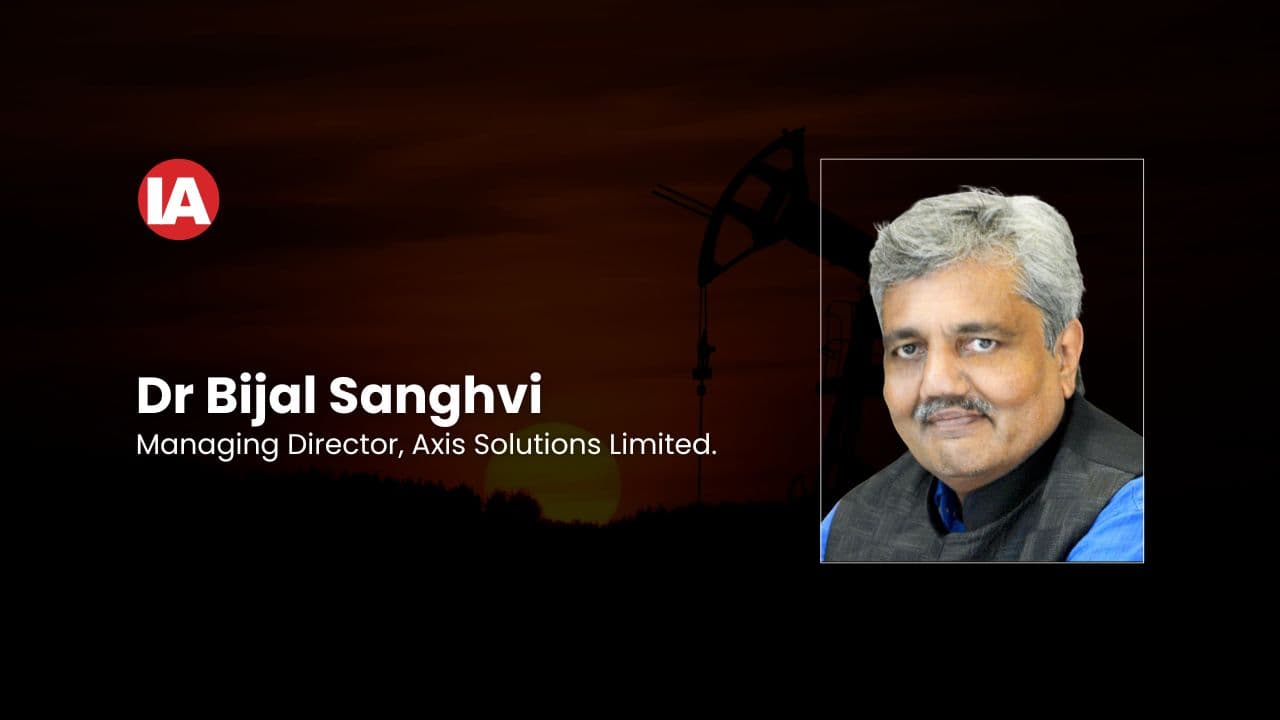
Dr Bijal Sanghvi, Managing Director, Axis Solutions Limited.
The process industry, encompassing oil & gas, chemicals, petrochemicals, fertilizers, and pharmaceuticals, is undergoing a profound transformation. With increasing pressure to operate efficiently, meet global sustainability goals, and comply with complex regulations, companies are turning to technology for answers. Axis Solutions Limited, a trusted name with over 25 years of engineering excellence, continues to help industries stay ahead by delivering future-ready, intelligent, and sustainable solutions in automation, instrumentation, and process analytics.
How would you describe the current state of the process industry in terms of growth, innovation, and regulatory challenges?
Today’s process industry is witnessing unprecedented momentum, propelled by rising domestic demand, global supply chain realignments, and transformative government initiatives such as Production-Linked Incentives (PLI), Atmanirbhar Bharat, Make in India, and Gati Shakti. With the Indian chemical industry projected to reach USD 300 billion by 2025, the pharmaceutical sector expected to expand to USD 130 billion by 2030, and the oil & gas segment poised to attract over USD 100 billion in investment to meet the surging energy needs of a fast-growing economy, the sector is entering a phase of accelerated growth and strategic importance. Yet, this rapid expansion also brings significant challenges, including stricter emission norms, enhanced workplace safety requirements, the need for operational resilience, and compliance with both national and international regulations. To stay competitive, industries must adopt integrated automation, advanced instrumentation, and robust analytical systems that modernise infrastructure, optimise efficiency, ensure environmental responsibility, and support digital transformation. By embracing innovation, sustainability, and data-driven decision-making, the process industry can not only meet regulatory benchmarks but also drive smarter, safer, and more sustainable growth – paving the way for long-term global competitiveness and resilience.
What role is digital transformation – technologies like AI, IIoT, and automation – playing in improving process efficiency and safety?
Digital transformation through Artificial Intelligence (AI), the Industrial Internet of Things (IIoT), and advanced automation is no longer aspirational, it has become foundational to the future of industry. These technologies are driving predictive maintenance, process optimisation, real-time monitoring, and data-driven decision-making, while simultaneously minimising human error, reducing energy consumption, improving resource efficiency, and preventing costly downtime. At the core of this transformation lies the Industry 4.0 framework, which seamlessly integrates machines, sensors, data, and systems to create end-to-end connectivity, unlock real-time intelligence, and generate actionable insights that enable higher levels of efficiency, reliability, and sustainability. By embracing these advancements, the process industry can achieve safer plant operations, smarter workflows, enhanced productivity, and greater adaptability to dynamic market demands. Ultimately, the convergence of digital technologies and industrial processes is paving the way for intelligent, connected, and future-ready ecosystems that support not only operational excellence but also long-term resilience and sustainable growth in an ever-evolving global landscape.
How is the process industry leveraging data analytics or cloud technologies to enhance traceability, quality control, and decision-making?
In today’s rapidly evolving and increasingly data-driven process industry, cloud technologies, advanced analytics, and digital integration are fundamentally reshaping the way organisations operate, enabling them to achieve end-to-end traceability, uncompromised quality assurance, regulatory alignment, and faster, insight-driven decision-making. Whether it involves tracking and validating batch records in pharmaceuticals, monitoring complex emission streams in refineries, ensuring consistency and precision in large-scale chemical production, or managing multi-site operations in real time, industries now demand systems that are not only secure, scalable, and responsive but also adaptive to the growing complexity of global supply chains and stringent compliance requirements. The convergence of real-time data visibility with deep historical trend analysis, predictive insights, and machine learning-driven intelligence empowers businesses to gain a holistic understanding of processes, implement quicker interventions, optimise asset utilisation, and ensure seamless compliance with both national and international standards. By bridging the gap between shop-floor devices, intelligent instrumentation, enterprise systems, and cloud-based dashboards, modern digital solutions enable live process insights, support advanced custom analytics, strengthen decision-making, and simplify reporting for regulatory authorities. Ultimately, these innovations help organisations enhance agility, reduce inefficiencies, minimise errors, and create smarter, resilient, and sustainable industrial ecosystems that are future-ready and capable of thriving in an increasingly competitive global landscape.
How is the pressure to reduce carbon emissions and meet ESG goals influencing operations and investment decisions in this industry?
Environmental, Social, and Governance (ESG) considerations are increasingly shaping capital expenditure decisions, operational workflows, and technology investments across industries worldwide. With growing global emphasis on decarbonisation, energy efficiency, and climate-conscious production, businesses are under increasing pressure to adopt cleaner, more sustainable technologies and demonstrate measurable environmental and social impact. Organisations are now seeking solutions such as continuous emission monitoring systems, energy-optimised infrastructure, and safety-compliant equipment that not only enhance operational efficiency but also support long-term sustainability goals. By integrating technologies that monitor emissions, optimise energy consumption, and ensure safe, compliant operations, industries can significantly reduce their carbon footprint, align with national and international environmental regulations, and strengthen their contribution to ESG targets. Beyond regulatory compliance, these initiatives also help businesses improve stakeholder trust, enhance operational resilience, and position themselves as leaders in sustainable industrial practices, paving the way for long-term competitiveness, social responsibility, and environmentally conscious growth.
How viable are alternatives like biodegradable packaging (in packaging/food), green hydrogen (in oil & gas), or continuous manufacturing (in pharma) from a commercial standpoint?
ESG considerations, as mentioned earlier, are influencing capital expenditure strategies, to implement cleaner technologies. This paradigm shift requires the adoption of advanced, integrated solutions such as continuous emission monitoring systems, energy-efficient and automated infrastructure, smart utilities, and explosion-proof equipment that not only meet international sustainability goals but also ensure safe, reliable, and fully compliant operations across diverse industrial sectors. By leveraging technologies that optimise energy usage, enable predictive and preventive maintenance, support regulatory adherence, enhance operational transparency, and provide real-time insights, businesses can significantly reduce their carbon footprint, improve environmental performance, and strengthen stakeholder confidence. Beyond regulatory compliance, these forward-looking initiatives empower organisations to enhance operational resilience, drive long-term efficiency and profitability, foster a culture of sustainability, and position themselves as responsible, globally competitive leaders in industrial and manufacturing practices, paving the way for enduring environmental, social, and economic impact.
What emerging trends or technologies are most likely to significantly shape the future of this industry over the next decade?
Looking ahead, the process industry is poised for a profound transformation driven by rapid advancements in modular automation, cyber-physical systems, edge and cloud analytics, artificial intelligence, process analytical technologies (PAT), digital twins, and integrated sustainability solutions. These emerging technologies and tools are not only enabling more agile and flexible manufacturing but are also supporting decentralised, resilient, and adaptive production models capable of responding quickly to shifting market dynamics, global supply chain fluctuations, and evolving customer demands. By combining real-time operational insights with predictive and prescriptive intelligence, organisations across sectors can optimise production processes, enhance worker and environmental safety, reduce operational risks, and achieve higher levels of efficiency and reliability while maintaining alignment with global sustainability and ESG objectives. The integration of smart technologies with environmentally conscious practices, including energy optimisation, waste reduction, emission control, and responsible resource management, further empowers industries to minimise carbon footprints, improve compliance with increasingly stringent regulatory frameworks, and demonstrate measurable environmental and social impact. Ultimately, the future of the process industry will be defined by the development of intelligent, connected, scalable, and sustainable ecosystems that leverage technology, data, and innovation to drive operational excellence, long-term competitiveness, resilience, and meaningful contributions to a sustainable global economy.
(The views expressed in interviews are personal, not necessarily of the organisations represented)
Dr Bijal Sanghvi is the Managing Director of Axis Solutions Limited, a distinguished first-generation company having a Domestic as well as Global Presence, which has achieved remarkable milestones. His role spans across various verticals ranging from managing the overall development and operations of the firm with leadership roles across business strategy, business development and management of various business functions such as Production, Engineering, Manufacturing and R&D.